
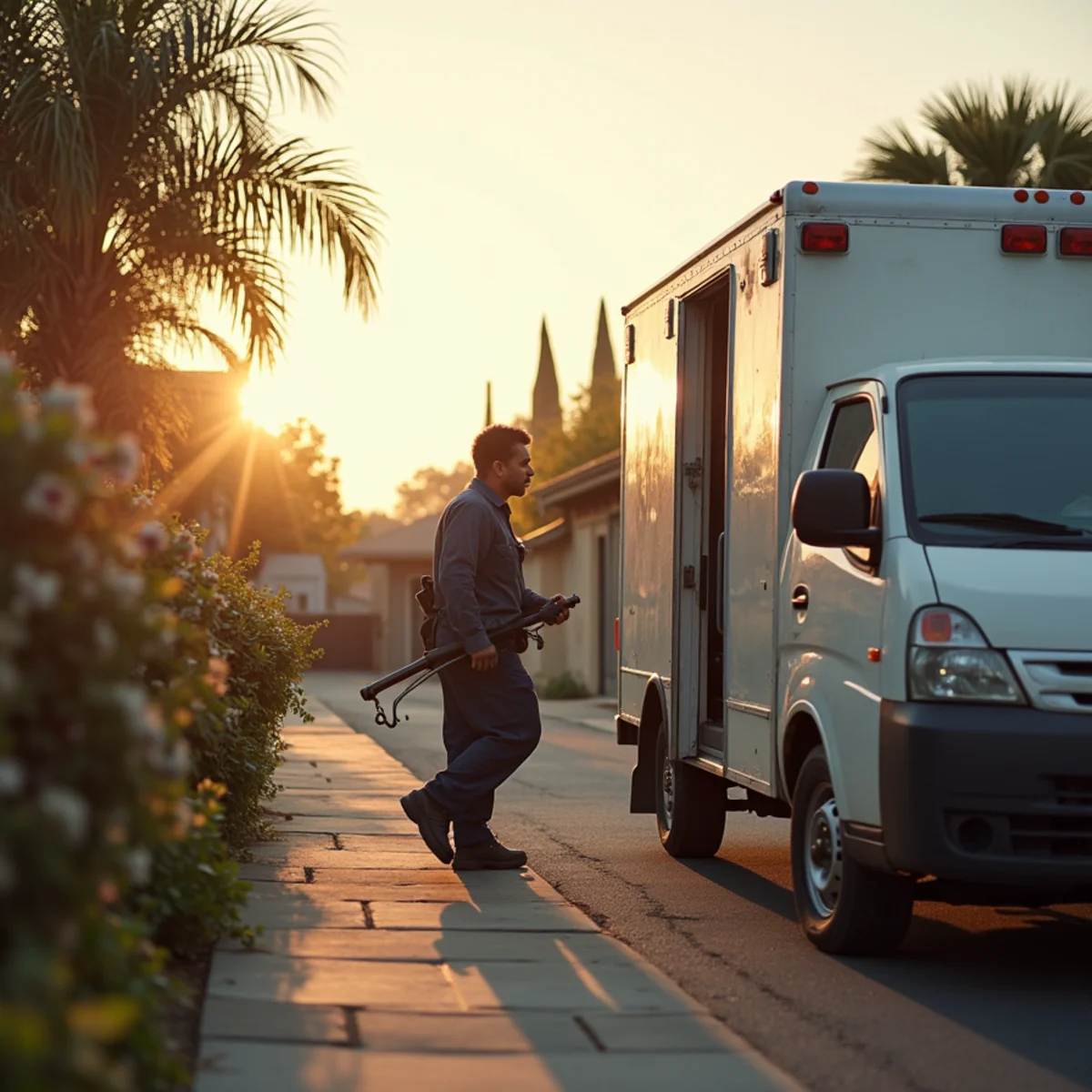
24/7 Emergency Response
Water Damage Restoration in Lakewood, CA
Burst pipe, flood, sewage backup, or storm damage? We answer live, day or night, and aim to be on-site within 60 minutes — extracting water, drying your home, and working directly with your insurance.
- 60 min
- Target response
- 24/7
- Live dispatch
- IICRC
- Certified crews
24/7 Emergency
We answer live, day or night
60-Min Response
Fast dispatch across Lakewood
IICRC-Certified
Industry-standard drying
Licensed & Insured
Local, accountable crews
Insurance Help
We bill your carrier direct
Our Services
Full-service water damage restoration for Lakewood homes & businesses
From the first extraction to the final repair, we handle every step — so a small leak never becomes a mold problem.
First Response
What to do right now, before we arrive
Water spreads by the minute. These first steps limit the damage while a crew is on the way — then call us and we'll talk you through the rest.
In the first 10 minutes
- 1
Shut off the water
Stop it at the source if you can reach it safely — the fixture valve, the appliance valve, or your home's main shutoff valve.
- 2
Kill power to wet areas — carefully
If water is near outlets or the panel, switch off that circuit at the breaker — but only if the panel is dry. Never stand in water to reach it.
- 3
Photograph everything first
Take photos and video of the source, the standing water, and every soaked wall and floor before you touch anything. Your adjuster will need it — here's how to document a claim.
- 4
Move what you can, safely
Lift small valuables out of the water and slide foil or plastic under furniture legs to stop staining. Don't strain lifting soaked rugs — safety over salvage.
Please don't
- Don't run a household or shop vacuum over standing water — it's an electrical hazard and can't reach moisture inside walls or under floors.
- Don't run the HVAC or ceiling fans if the water may be contaminated — it spreads it through the home.
- Don't pull up saturated carpet yourself — it tears the backing and makes restoration harder.
Why Choose Us
A restoration team Lakewood can count on
When your home is filling with water, you need someone who answers, shows up fast, and knows exactly what to do. That's the whole job for us.
60-Minute Local Response
We dispatch from Lakewood itself, not a far-off call center. Crews aim to reach you within about an hour, because water spreads by the minute.
Answered Live, 24/7
A real person picks up at 2 a.m., on weekends, and on holidays. You get calm instructions on the phone while our crew heads your way.
IICRC-Certified Technicians
Our team dries structures to the IICRC standard — the industry benchmark — using moisture meters, not guesswork, to confirm your home is truly dry.
We Handle Your Insurance
We document the loss, provide adjuster-ready scopes, and bill your carrier directly. Less paperwork for you during an already stressful week.
Local Knowledge That Matters
We know Lakewood's 1950s slab homes, galvanized plumbing, and adobe clay soil. That means we find the real source faster and dry it right.
Honest, Upfront Pricing
You get an itemized estimate on-site — no vague numbers, no pressure. We explain what needs doing and what can wait.
How It Works
Our Water Damage Restoration Process
A calm, proven sequence — the same one we've run on hundreds of Lakewood water emergencies.
- 1
Call & rapid dispatch
You call, we answer live and send the nearest crew — usually on-site within about an hour anywhere in Lakewood.
- 2
Inspect & find the source
We locate the water source, map hidden moisture with meters and infrared, and classify the water so cleanup is done safely.
- 3
Extract standing water
Truck-mounted and portable extractors pull out standing water fast, before it wicks deeper into floors and walls.
- 4
Dry & dehumidify
Air movers and commercial dehumidifiers dry the structure to the IICRC standard. We monitor moisture daily until it's proven dry.
- 5
Clean, sanitize & prevent mold
We clean and disinfect affected materials and treat for mold, so a small leak doesn't become a bigger remediation job.
- 6
Repair & restore
We put your home back together — drywall, paint, flooring — and hand your adjuster clear documentation the whole way.
Know What You're Dealing With
Clean, gray, or black: the three water categories
Restoration pros classify every loss by how contaminated the water is. It decides what's safe to keep, how the cleanup is done, and what it costs.
Category 1
Clean Water
- Where it comes from
- A broken supply line, an overflowing tub, or a failed water heater.
- The risk
- No immediate health risk from contact — but it turns gray as it sits and soaks into materials.
- How we handle it
- Fast extraction and thorough drying. Speed still matters.
Category 2
Gray Water
- Where it comes from
- Dishwasher or washing-machine overflow, or a toilet overflow without solid waste.
- The risk
- Carries bacteria and chemicals. Avoid contact; keep children and pets away.
- How we handle it
- Professional extraction, sanitizing, and more aggressive drying — not a DIY job.
Category 3
Black Water
- Where it comes from
- Sewage backups, storm flooding, or water that has sat long enough to grow bacteria.
- The risk
- Grossly contaminated — pathogens and hazards. Occupants should stay out of the area.
- How we handle it
- Full remediation: contained removal of affected porous materials, disinfection, and rebuild.
Gray and black water are health hazards — see our flood cleanup and sewage cleanup services, or read how the water category changes the entire cleanup.
Straight Answers
What it costs — and how insurance works
The two questions everyone asks before they call. Here are honest numbers, then an on-site estimate with no surprises.
Typical 2026 cost
Nationally, most homeowners pay between $1,384 and $6,384, averaging around $3,867. The number depends on the water category, the area affected, and how fast the water was addressed.
There are two parts: mitigation (extraction, drying, sanitizing) runs roughly $3–$7.50 per square foot, while repair and rebuild adds about $20–$37 per square foot and is billed separately.
| Category | Cost / sq ft* | Risk | What to do |
|---|---|---|---|
| Clean (Cat 1) | $3 – $4 | Low | Extract and dry thoroughly; professional drying for larger areas. |
| Gray (Cat 2) | $4 – $7 | Moderate | Call a pro for extraction, sanitizing, and aggressive drying — no DIY. |
| Black (Cat 3) | $7 – $7.50 | High | Leave the area and call immediately; full remediation and material removal. |
*Mitigation only; repair/rebuild is separate. National 2026 figures — your Lakewood estimate is confirmed on-site. See the full cost guide.
How insurance usually works
- Usually covered: sudden, accidental events — burst pipes, water-heater failures, and appliance leaks.
- Usually not: gradual leaks, long-term maintenance issues, and outside flooding (that needs separate flood insurance).
Check your own policy and deductible — coverage is decided by your insurer. We document the loss with photos and daily moisture readings, give your adjuster a clear scope, and bill your carrier directly.
More detail: does homeowners insurance cover water damage in California and why storm flooding usually isn't covered.

Locally Owned & Operated
Your neighbors in restoration — not an out-of-town call center
We're based right here at 3700 N Industry Ave and we work these streets every week. We know the 1950s tract homes, the galvanized plumbing, the adobe clay soil, and the winter storms that push water where it shouldn't be.
That local knowledge means we find the real source faster, dry it to a measurable standard, and treat your home like it's on our own block.
- IICRC-certified technicians
- Licensed & insured
- Direct insurance billing
- Upfront, itemized estimates
Local Risk, Local Knowledge
Why Lakewood homes flood — and how we plan for it
Lakewood's FEMA-required Local Hazard Mitigation Plan identifies the city's flood and disaster risks. Combined with the region's documented shift toward wetter storms, it's a clear picture: water damage here isn't rare, and the fastest local response wins.
Wetter, more intense storms
Los Angeles County has trended toward heavier, back-to-back storms — the 2022–2023 atmospheric rivers being the clearest example. That raises the odds of stormwater intrusion, roof leaks, and drain backups even for homes outside mapped flood zones. What the atmospheric rivers taught us.
Aging homes, aging plumbing
Much of Lakewood is 1950s slab-on-grade tract housing. Original galvanized supply lines, decades-old water heaters, and brittle washing-machine hoses fail without warning — the most common water losses we see here.
A local team that plans for it
Because we work these streets, we know where water goes in a Lakewood home and how to dry it before mold starts. The smart move is to have a restoration contact before you need one.
Where We Work
Serving Lakewood & the Gateway Cities
Every Lakewood neighborhood plus the surrounding cities of Los Angeles County. Fast, local response — pick your area for details.
Reviews
Trusted by Homeowners Across Lakewood
Real situations, handled with care. Here's what neighbors say after we've dried out their homes.
A pipe let go under our kitchen at 5 a.m. They answered on the first call and had a crew drying the house before lunch. They talked to our adjuster so we didn't have to.
Maria G.
Lakewood Village · Burst pipe cleanup
Our 1953 house had a slab leak we couldn't find. They located it without tearing up the whole floor, dried everything, and explained each step in plain English.
David R.
Carson Park · Slab leak water damage
Found mold behind the bathroom wall after a slow leak. The containment was spotless and they showed me moisture readings before and after. No upsell, just honest work.
Jennifer P.
Cerritos · Mold remediation
A sewage backup is the worst call to make. They treated our home with respect, disinfected everything, and the smell was gone. Grateful they came out same night.
Tom & Alice W.
Long Beach · Sewage cleanup
Winter storm pushed water in under the back door. They tarped, extracted, and set up drying equipment fast. Kept us updated every day until it was dry.
Sandra M.
Bellflower · Storm water damage
One of our retail units flooded overnight. Their crew worked around store hours and got us reopened quickly. Clear documentation for our insurance the whole way.
Property Mgr., Ken H.
Lakewood Center area · Commercial water damage
From the Blog
Water damage advice for Lakewood homeowners
The Water Damage Restoration Process: What to Expect, Step by Step
From the first phone call to the final repair, here's exactly what a professional water damage restoration job looks like — and what you can expect at each stage.

What Happens If Water Damage Goes Untreated?
Water damage doesn't pause when you ignore it. Here's the real timeline of what untreated moisture does to a home — and the insurance trap that comes with waiting.

Water-Damaged Hardwood Floors: Cupping, Buckling, and What You Can Save
A wet hardwood floor isn't automatically a lost floor. The difference between cupping you can dry out and buckling you can't comes down to how fast you act.
Contact
Here when you need us — 24/7
Call now for an active emergency, or request a free estimate and we'll call you right back.
- Phone (24/7)
- +1 (201) 277-9344
- Hours
- Open 24 hours — 7 days a week
Frequently Asked Questions
How fast can you get to my home in Lakewood?
We answer live 24/7 and dispatch immediately. From our base at 3700 N Industry Ave, we aim to be on-site within about 60 minutes across Lakewood and the surrounding Gateway Cities. The faster we extract standing water, the less damage spreads to drywall, flooring, and framing.
Do you work directly with my insurance company?
Yes. We document the loss with photos and moisture readings, provide itemized scopes your adjuster can work from, and communicate throughout the claim. You focus on your household; we handle the paperwork the adjuster needs.
How soon does mold start growing after a leak?
Mold can begin growing within 24 to 48 hours of water exposure. That is why we start extraction and structural drying right away, and why a shop-vac and open windows usually are not enough — hidden moisture behind walls and under flooring keeps feeding mold.
What does water damage restoration cost?
Every loss is different, so we never quote a firm price sight-unseen. Nationally, 2026 water damage restoration commonly runs roughly $1,384 to $6,384, driven by the water category, the affected square footage, and how long the water sat. We give you an honest, itemized estimate on-site.
Are you licensed, insured, and certified?
Yes. Our technicians are IICRC-certified in water damage restoration, and we are licensed and insured. IICRC is the industry standard body that sets restoration and drying protocols, so you get work done to a recognized standard.
My Lakewood home is from the 1950s. Why does that matter?
Roughly 17,500 Lakewood homes were built between 1950 and 1953 on concrete slabs, and much of that original galvanized supply plumbing is now 70-plus years old. Combined with our expansive adobe clay soil, that means slab leaks and pinhole pipe failures are common here — and we handle them every week.
What should I do before your crew arrives?
If it is safe, shut off the water at the source or the main valve, and cut power to the affected area at the breaker only if the panel is dry. Move small valuables out of the water and take photos for your claim. Do not use a household vacuum on standing water. Then call us and we will walk you through the rest.
How long does professional drying take?
Most homes dry in three to five days. The exact time depends on how much water there was, which materials got wet, and how fast we started. We place air movers and dehumidifiers, then return daily to check moisture with meters and adjust the equipment until the structure meets drying standards — not just until it feels dry.
How do I know if the water is clean, gray, or black?
A simple rule of thumb: water from a supply line or an overflowing tub is usually clean (Category 1). Water from a dishwasher, washing machine, or a toilet overflow without solid waste is gray (Category 2). Water containing sewage or storm flooding is black (Category 3) and is a health hazard. When in doubt, treat it as contaminated, keep people and pets away, and let us assess it.
Which areas around Lakewood do you serve?
We serve all of Lakewood plus Long Beach, Bellflower, Cerritos, Paramount, Artesia, Hawaiian Gardens, Signal Hill, Norwalk, Downey, Compton, and the wider Gateway Cities and Los Angeles County. If you are nearby and unsure, just call — we will tell you honestly if we can reach you fast.
Water Damage Won't Wait. Neither Do We.
Every hour of standing water spreads the damage and the cost. Call now and a Lakewood crew is on the way.
- 60-minute dispatch across Lakewood
- We bill your insurance directly
- Licensed & Insured