Mold remediation quotes can vary a lot for what looks, on the surface, like a similar problem — a patch of mold on a bathroom wall in one house, a similar patch in another. The reason is that "mold on a wall" is rarely the whole story; what's driving the cost is usually what's happening behind that wall, and how long it's been growing.
Mold starts growing on wet materials within 24 to 48 hours of water exposure, which means by the time it's visible, it's often had time to spread further than what you can see. Here's what actually determines remediation cost for homes across Bellflower and the rest of LA County.
Affected Square Footage
This is the most straightforward factor: more area means more labor, more containment, and more materials to treat or remove. But square footage alone doesn't tell the whole story, since a small area of extensive, deep-set mold can cost more to remediate than a larger area of light surface growth.
How Far It's Spread Behind Walls and Under Flooring
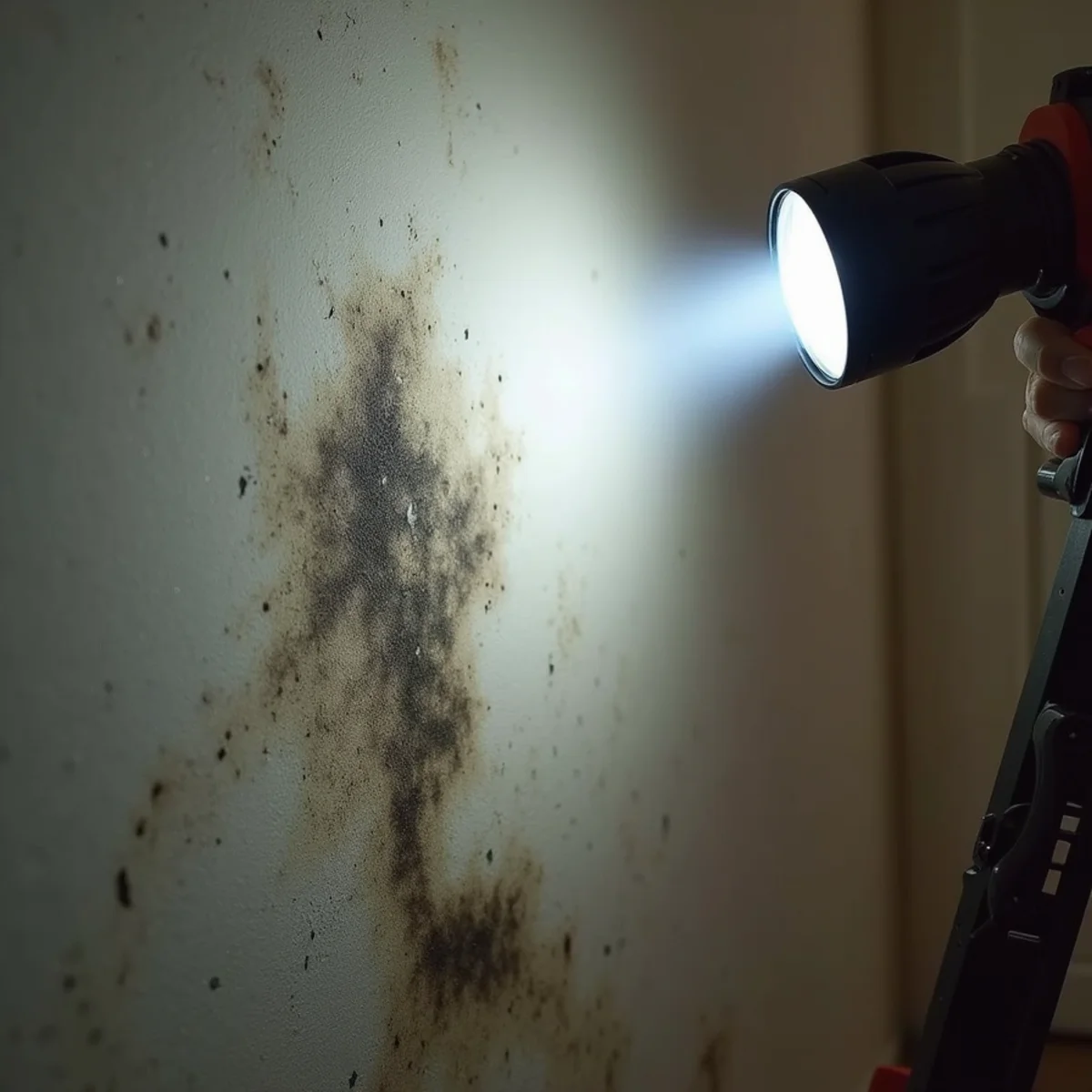
Visible mold on a surface is often just the part you can see. Mold growing inside a wall cavity, under flooring, or inside HVAC ducting requires opening those areas up to treat properly, which adds both labor and the cost of removing and replacing materials like drywall or subfloor that can't be cleaned in place.
A musty smell without visible mold is a strong sign it's growing somewhere hidden. That's worth an inspection even without a visible patch.
What Caused the Moisture in the First Place
- A one-time event, like a repaired burst pipe, is usually the lowest-cost scenario since the moisture source is already resolved
- An ongoing issue, like a slow roof leak or a slab leak that hasn't been fixed, adds cost because remediation won't hold if the source keeps feeding moisture back in
- High ambient humidity, common in poorly ventilated bathrooms or laundry rooms, can require addressing ventilation alongside the mold itself
Materials Involved
Porous materials — drywall, carpet, insulation, some types of wood — often can't be fully cleaned once mold has set in and need to be removed and replaced. Non-porous materials like tile, glass, and metal can usually be cleaned and treated in place, which is significantly less expensive.
Containment and Air Quality Requirements
Larger or more established mold problems often require containment barriers and negative air pressure equipment to keep spores from spreading to unaffected parts of the home during remediation, plus air quality testing before and after the work to confirm it's actually resolved. Smaller, contained jobs may not need this level of setup, which keeps costs down.
Get an Accurate Assessment for Your Home
Because so much of the cost depends on what's happening behind the walls, an accurate estimate requires an in-person inspection, not a guess based on visible square footage alone. Our mold remediation team serves Bellflower and the rest of LA County, with assessments that identify moisture source, spread, and the right scope of work before anything starts. Call Water Damage Lakewood at +1 (201) 277-9344, available 24/7.
The Mold You Can See Is Rarely the Whole Job
A patch of mold on the wall surface is often the small part. The larger colony usually sits inside the cavity, on the back of the drywall and the framing, where the moisture actually lived. Pricing the visible patch alone underestimates almost every real job.
Two things drive the cost more than the stain itself. First, containment: sealing the area, running HEPA filtration, and disposing of material safely so spores don't spread through the house. Second, the moisture source. If the leak that fed the mold isn't found and fixed first, the mold returns and you pay twice. Source correction always comes before cleanup.
- Hidden growth behind walls, under flooring, and above ceilings expands the removal area
- Containment barriers and HEPA air scrubbing to keep spores from spreading
- Safe disposal of porous materials that cannot be cleaned
- Post-remediation verification to confirm levels are back to normal
- Fixing the water source first, without which the mold comes back
Related help from our team
Frequently Asked Questions
How much does mold remediation cost per square foot?
It varies significantly based on how deep the mold has spread, what materials are affected, and whether containment is needed — which is why an accurate number requires an in-person inspection rather than a flat per-square-foot rate.
How quickly does mold grow after water damage?
Mold can begin growing on wet materials within 24 to 48 hours of exposure, which is why prompt water extraction and drying matters even when a leak seems minor.
Can mold be cleaned without removing drywall or flooring?
Sometimes, on non-porous surfaces like tile or metal. Porous materials like drywall, carpet, and insulation usually can't be fully cleaned once mold has set in and typically need to be removed and replaced.