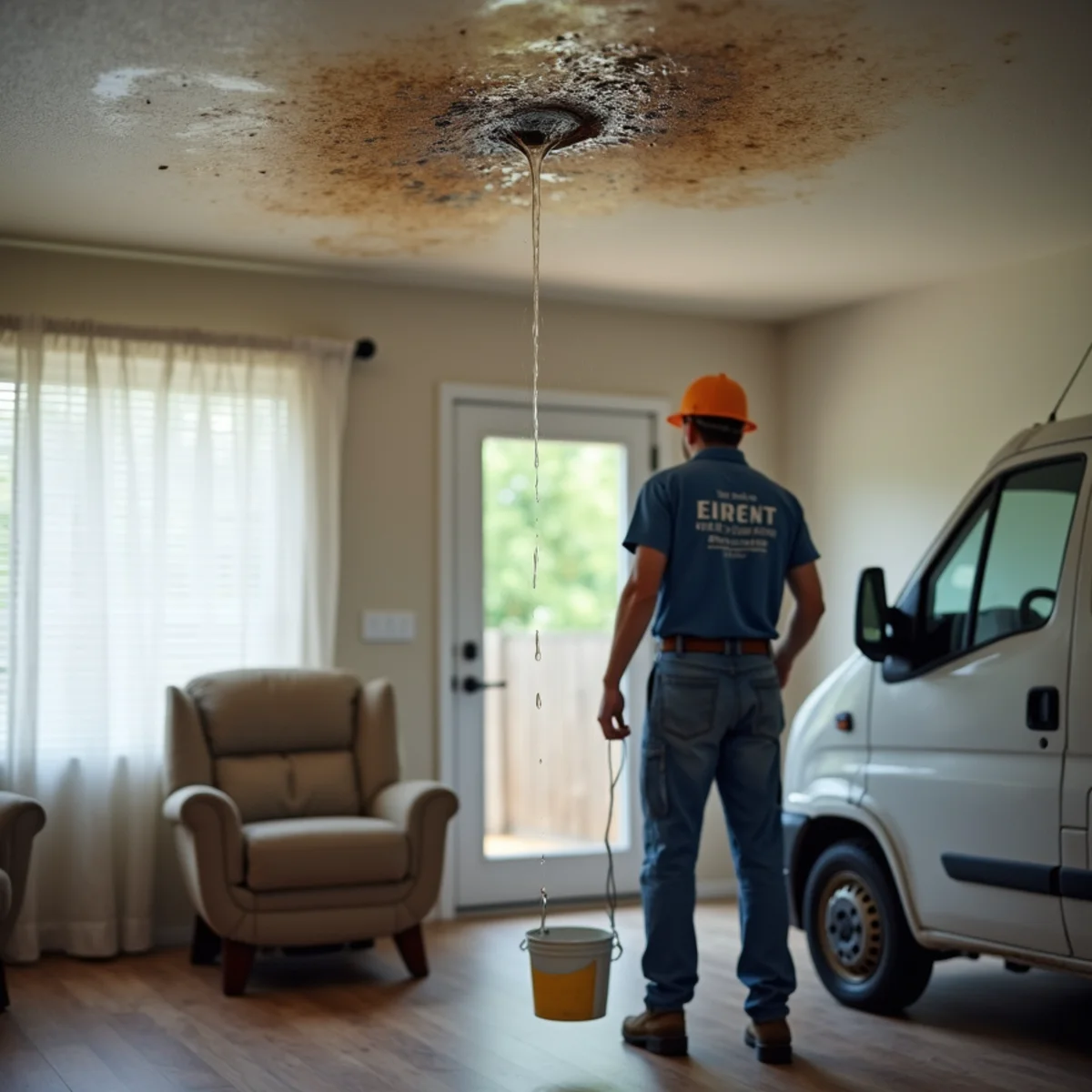
A stain on the ceiling means water is coming from above. It could be a roof leak, a pipe in the ceiling, or an overflow from an upstairs bathroom. The brown ring you see is the end of the water's journey, not where it started.
Painting over the stain solves nothing. The water is still coming, and the drywall overhead is getting heavier and weaker as it absorbs moisture. A saturated ceiling can sag, crack, and in the worst case come down — and mold grows in the dark cavity above it.
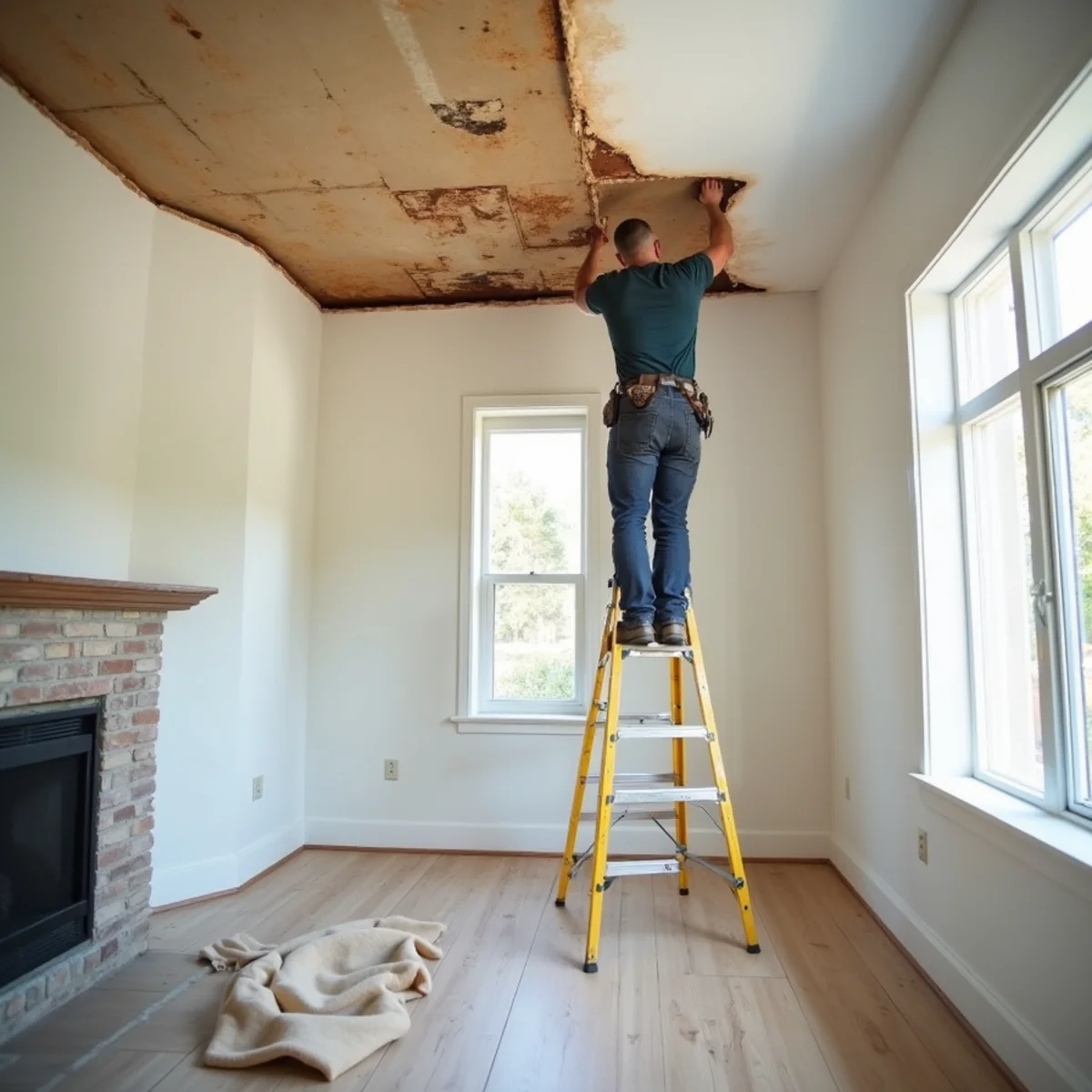
We fix ceilings from the source down. We find where the water is really coming from, stop it, dry the space above the ceiling, and then repair the drywall and finish. Address the cause and the stain stays gone. Call +1 (201) 277-9344.
Signs of Ceiling Water Damage
- A brown or yellow ring or stain spreading across the ceiling
- Ceiling drywall that sags, bulges, or bows downward
- Paint bubbling, cracking, or flaking overhead
- Active dripping from a light fixture or ceiling seam
- A soft or crumbling spot when the ceiling is touched
- A musty smell coming from the ceiling cavity
What causes ceiling water damage repair in Lakewood homes
A stained or sagging ceiling means water is coming from above. In Lakewood's mostly single-story homes, that source is usually the roof or an attic line.
- Roof leaks during winter storms soaking attic insulation and the drywall below
- Failed supply or drain lines in the attic dripping onto ceilings
- Condensation from HVAC units and ducts pooling on attic ceiling boards
- Second-story bathroom leaks in the few two-story Lakewood homes
- Wind-lifted shingles letting rain track along ceiling joists after a storm
- Clogged roof valleys sending runoff into the attic instead of the gutters
What's included
Exactly what this service covers — clear line items, no surprises.
- Safe draining of water pooled above the ceiling
- Removal of sagging, soaked drywall and insulation
- Tracing the leak source above the ceiling
- Drying of joists, framing, and the ceiling cavity
- Antimicrobial treatment where moisture reached wood
- Drywall replacement, texture matching, and paint
- Photos and notes documenting the damage
How It Works
How We Handle Ceiling Water Damage Repair in Lakewood
We work from the leak source down to the finished ceiling.
- 1
Find the source
Water travels along framing before it drips, so the stain is rarely under the leak. We trace it back to the true source — roof, pipe, or fixture above.
- 2
Stop the water
We stop the leak at its source or coordinate the repair, so the ceiling is not re-soaked the moment it is patched.
- 3
Relieve and dry
If the ceiling is holding water, we relieve it safely to prevent a collapse, then dry the cavity and framing above with proper equipment.
- 4
Check for mold
The dark, damp space above a leaking ceiling is prime for mold. We check the cavity and treat any growth before closing it back up.
- 5
Repair and finish
We replace damaged drywall, retexture, and repaint so the ceiling matches the rest of the room and shows no sign of the leak.
What Affects the Cost
Ceiling repair cost depends on how much drywall is affected, whether the framing got wet, and how hard the leak was to find. A small stain is a modest fix; a sagging, saturated ceiling with mold above costs more. We scope it up front.
- The area of ceiling drywall that must be dried or replaced
- How difficult the leak source is to locate and access
- Whether framing and insulation above are wet
- Mold present in the ceiling cavity
- Retexturing and repainting to match the existing ceiling
- Coordinated repair of the roof, pipe, or fixture at fault
We never quote a firm price sight-unseen. You'll get an honest, itemized estimate on-site, and we work directly with your insurance adjuster on covered losses.
Why Lakewood Homeowners Call Us
Ceiling stains show up two ways in Lakewood. In winter, aging roofs let storm rain into the attic, which then drips through the ceiling below. Year-round, a failing galvanized pipe or an upstairs bathroom overflow sends water down through the framing.
Many Lakewood homes are single-story, so a ceiling leak usually means the water came from the roof or attic rather than a floor above. That makes tracing the source a roof-and-attic question — one we know how to answer in these 1950s-built homes.
From our N Industry Ave base near the 605, we respond quickly when a ceiling starts to sag or drip. Acting fast keeps a small stain from becoming a collapsed ceiling and keeps mold from taking hold in the cavity above.
Why Choose Us
Why choose Water Damage Lakewood for ceiling water damage repair
60-minute dispatch across Lakewood
Crews dispatched from Lakewood — we aim to be on-site within about an hour, because water spreads by the minute.
Answered live, 24/7
A real person picks up day or night, weekends and holidays, and gives you clear steps while we head your way.
IICRC-Certified Technicians
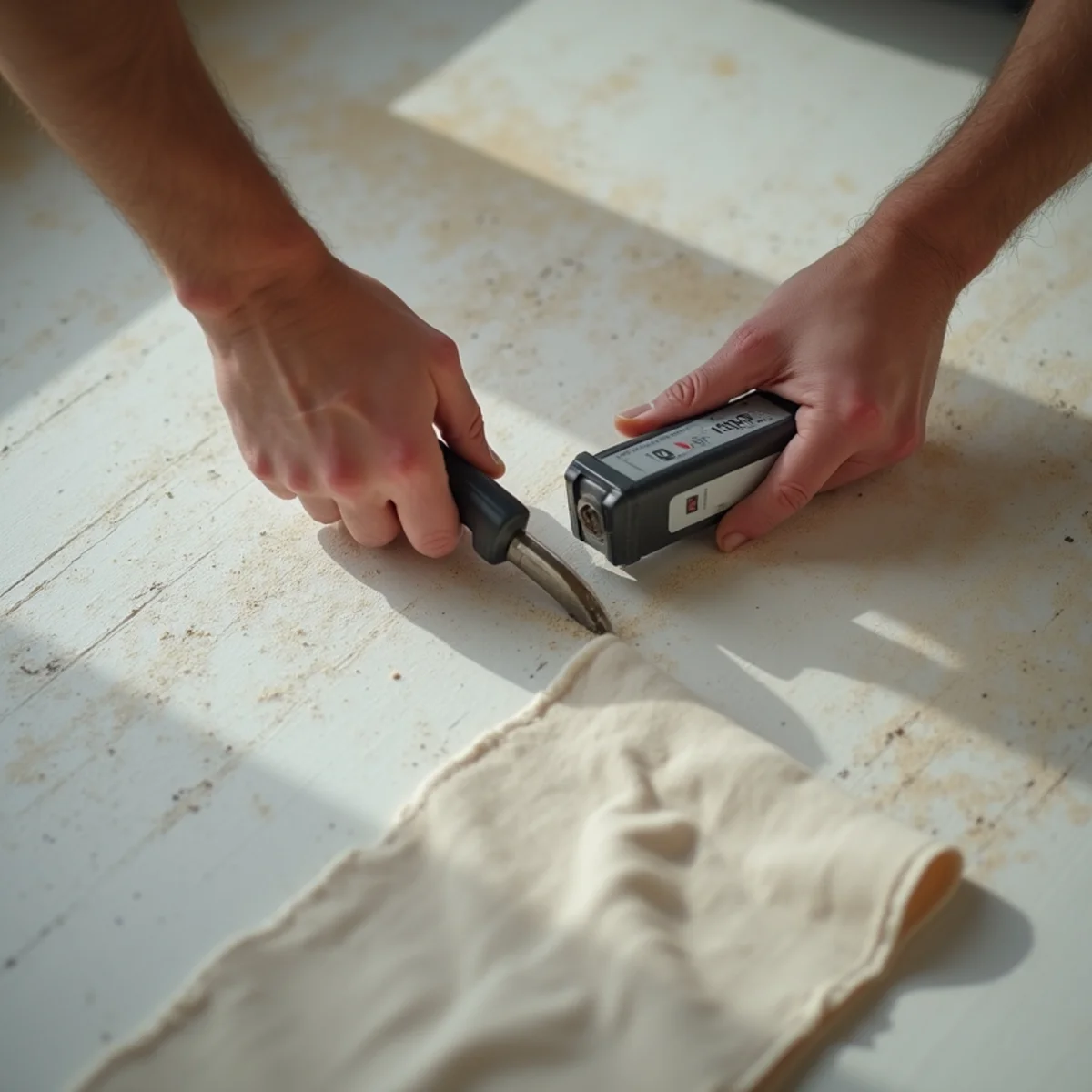
We dry to the IICRC standard using moisture meters — not guesswork — so your home is verified dry, not just dry to the touch.
We handle your insurance
Photo and moisture documentation, adjuster-ready scopes, and direct billing on covered losses.
Licensed & Insured
Local crews with 15+ years of restoration experience — accountable, local, and easy to reach.
Areas we serve for ceiling water damage repair
Fast local response across Lakewood and the Gateway Cities.
Ceiling Water Damage Repair: Common Questions
My ceiling is sagging and full of water — what do I do?
Keep everyone out from under it, since a saturated ceiling can collapse. Place a bucket if it is dripping, and call us right away. We can relieve the trapped water safely and start drying before the ceiling comes down on its own.
Can you just patch the stain?
Not until the leak is fixed and the area is dry. Patching over an active leak or wet drywall just hides the problem while it gets worse. We stop the source and dry the cavity first, then repair the ceiling so the stain does not come back.
How do you find where the leak is coming from?
We trace it, because water runs along framing and often drips far from its origin. Using the stain pattern, the attic, and moisture readings, we follow the water back to the real source — a roof breach, a pipe, or a fixture above.
Is a water-stained ceiling dangerous or just ugly?
A stain means water reached the ceiling, and the material behind it may be weak or still holding moisture. A sagging or bulging area can fall, so keep clear of it. We check what is above before deciding to patch or replace.
Why is there a bubble of water in my ceiling paint?
Water has pooled behind the paint and drywall and is looking for the lowest point. That bubble can burst without warning. It is safer to relieve it in a controlled way, which we do, then find and fix the source above.
Will you match the existing ceiling texture and paint?
Yes. We repair the drywall, match common textures like knockdown or smooth, and paint to blend with the surrounding ceiling. Older homes sometimes need a wider blend for an even look. The goal is a repair that does not stand out.