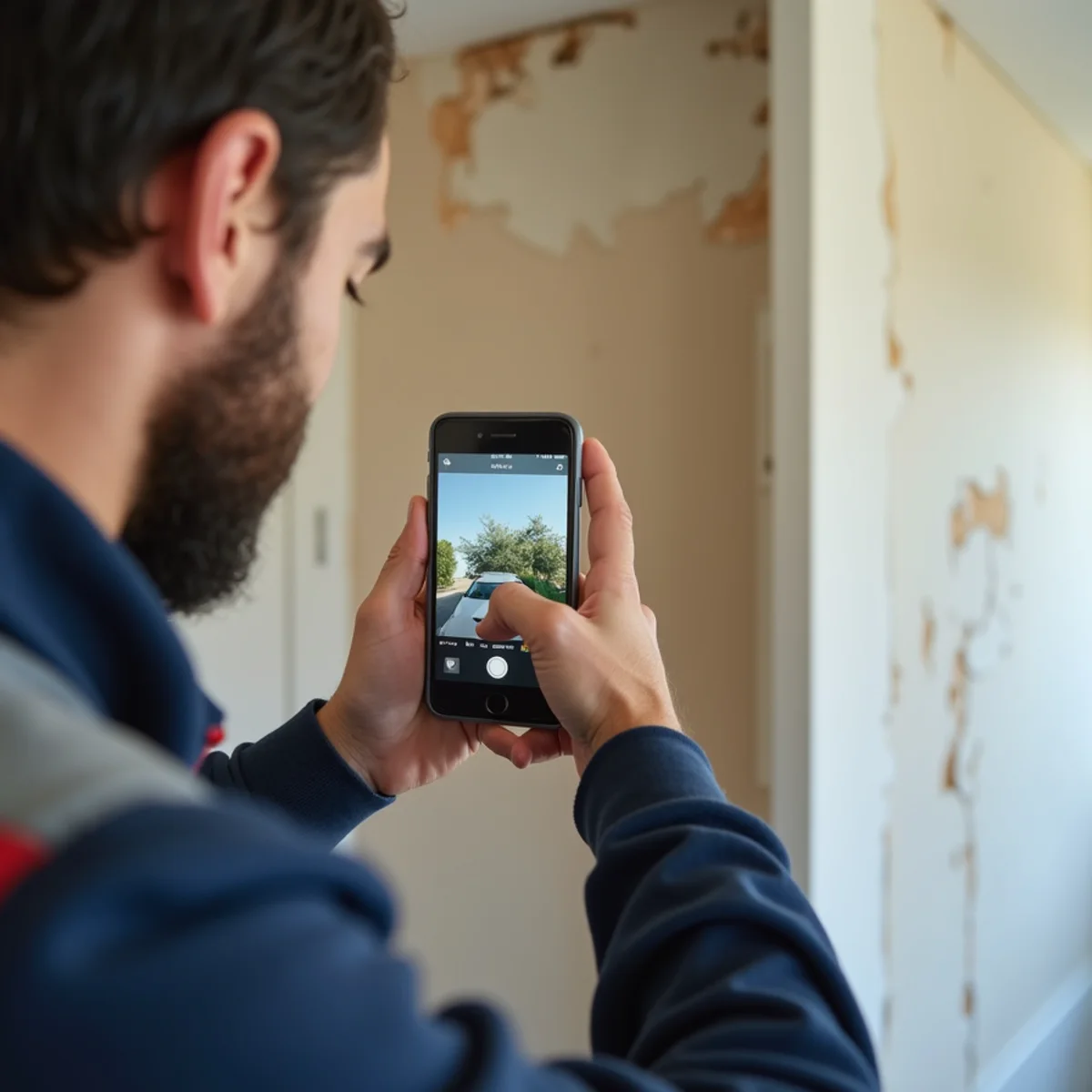
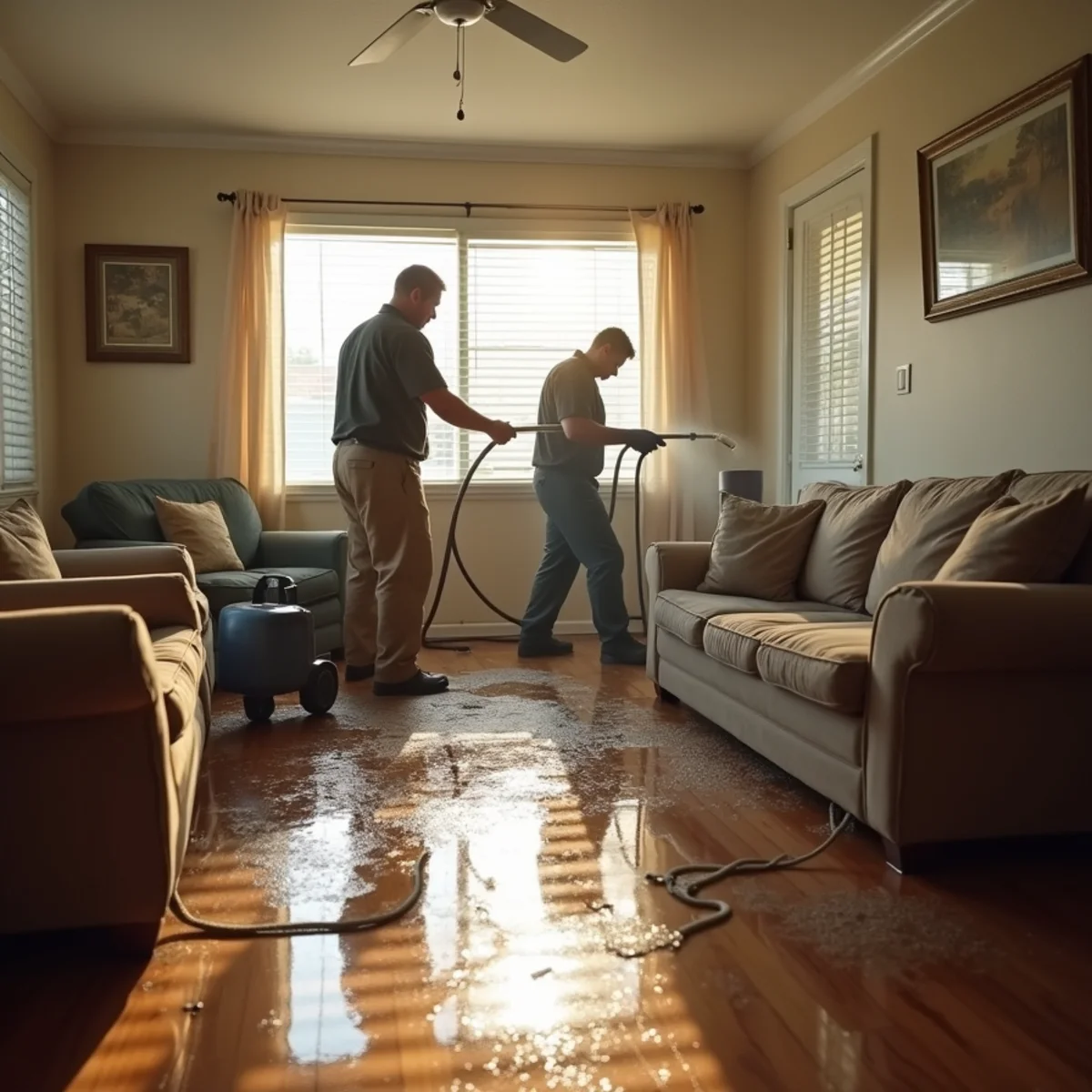
Water spreads faster than most homeowners expect. A supply line that fails at midnight can soak drywall, baseboards, and subfloor before sunrise. Every hour the water sits, it wicks deeper into materials that are harder to save.
Left alone, that moisture feeds mold, which can begin growing within 24 to 48 hours. It swells hardwood, delaminates cabinets, and shorts out outlets. What starts as a wet floor becomes a gut-and-rebuild if drying is delayed.
We handle the full job, from the first extraction to the final repair. Our IICRC-certified technicians (trained to the standards of the Institute of Inspection, Cleaning and Restoration Certification) stop the spread, dry the structure, and document everything your insurer needs. Call +1 (201) 277-9344 and a crew heads your way.
Signs You Need Water Damage Restoration
- Standing water or damp carpet after a leak, overflow, or storm
- Warped, cupped, or buckling wood or laminate flooring
- Drywall that feels soft, looks stained, or bubbles at the paint
- A musty smell that lingers even after surfaces feel dry
- Baseboards pulling away from the wall or trim that has swelled
- A spike in your water bill with no visible cause
- Discoloration spreading across a ceiling or wall
What causes water damage restoration in Lakewood homes
Water damage in Lakewood homes rarely starts big. In these 1950s slab tract houses, it usually begins with one small failure that spreads before anyone notices.
- Aging galvanized supply lines corroding and weeping inside the walls of older Lakewood tract homes
- Slab leaks under the concrete foundation soaking flooring and baseboards from below
- Garage water heaters failing and sending water across the slab into living space
- Winter atmospheric-river storms pushing rain past roofs, windows, and door thresholds
- Supply hoses behind washers, dishwashers, and refrigerators splitting without warning
- Drain and sewer backups pushing gray water up through floor drains
What's included
Exactly what this service covers — clear line items, no surprises.
- Emergency water extraction from floors, carpet, and subfloor
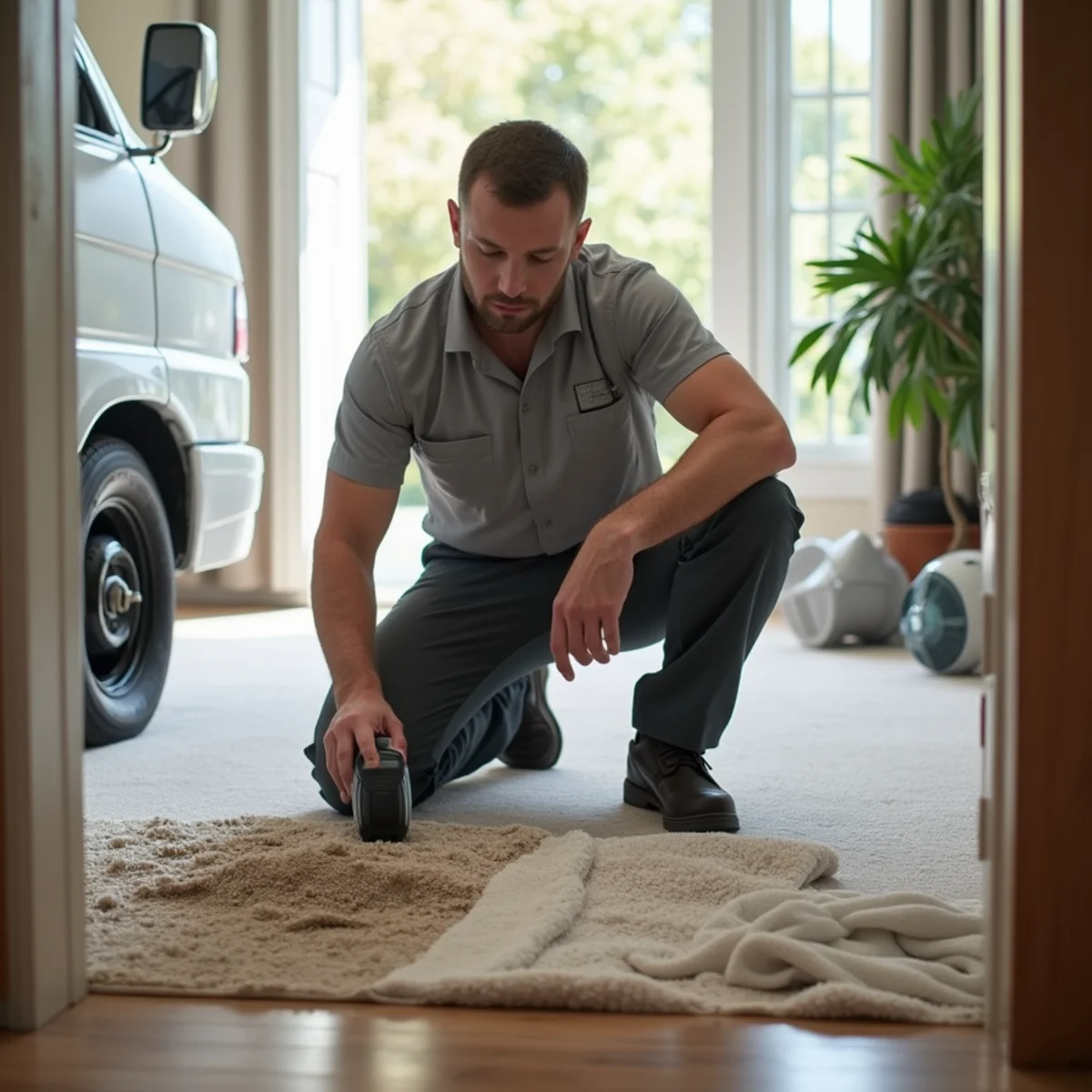
- Moisture mapping with infrared cameras and pin meters
- Placement of air movers and commercial dehumidifiers
- Controlled removal of soaked drywall, baseboards, and insulation
- Antimicrobial treatment to slow mold on damp framing
- Daily moisture readings until materials reach dry standard
- Insurance documentation with photos and adjuster coordination
How It Works
How We Handle Water Damage Restoration in Lakewood
Restoration follows a clear order — stabilize first, dry second, rebuild last.
- 1
Inspection and moisture mapping
We trace the source and use moisture meters and thermal imaging to map how far the water traveled. This tells us which materials are wet behind the surface, not just what looks wet.
- 2
Water extraction
Truck-mounted and portable units pull standing water from floors, carpet, and pad. Fast extraction removes the bulk of the moisture before it soaks deeper.
- 3
Structural drying
We set air movers and dehumidifiers to pull water out of framing, subfloor, and drywall. Mitigation — the work of limiting further damage — depends on getting materials dry to a measured target.
- 4
Cleaning and sanitizing
Affected areas are cleaned and treated to control odor and microbial growth. Contents that can be saved are wiped down or moved out for drying.
- 5
Monitoring and documentation
We check moisture readings daily and log them. Photos, meter readings, and a written scope go straight to your adjuster to support the claim.
- 6
Repair and reconstruction
Once the structure is dry, we replace drywall, baseboards, paint, and flooring so the home looks like the loss never happened.
What Affects the Cost
We price every job by its actual scope, never a one-size quote. National figures for 2026 put water damage restoration in the range of $1,384 to $6,384, but that is a country-wide average — your cost depends on how much water, what it touched, and how long it sat.
- The category of water — clean, gray, or black — and the cleanup it requires
- Square footage soaked and how deep the water penetrated
- Which materials are affected: carpet and pad, hardwood, tile, cabinets, or drywall
- How many days of drying equipment the structure needs
- Whether reconstruction is limited to paint and trim or full room rebuilds
- Mold growth already present at the time of the call
- Access to the area and the amount of contents that must be moved
We never quote a firm price sight-unseen. You'll get an honest, itemized estimate on-site, and we work directly with your insurance adjuster on covered losses.
Why Lakewood Homeowners Call Us
Lakewood was built fast. Weingart, Taper and Boyar put up roughly 17,500 homes between 1950 and 1953, at times finishing about 75 houses a day. Those homes share a slab-on-grade design and the original galvanized steel supply pipes, which are now more than 70 years old and corroding from the inside.
That aging plumbing, paired with the adobe clay soil under most of the city, is a recipe for sudden leaks. The clay swells when wet and shrinks when dry, flexing the slab and stressing pipe joints. When one lets go, water surfaces through the floor with little warning.
We are based on N Industry Ave in northeast Lakewood, near the 605. That keeps our crews close to Lakewood Village, Mayfair, and the Gateway Cities around us, so we can be on-site in about 60 minutes when a home floods.
Why Choose Us
Why choose Water Damage Lakewood for water damage restoration
60-minute dispatch across Lakewood
Crews dispatched from Lakewood — we aim to be on-site within about an hour, because water spreads by the minute.
Answered live, 24/7
A real person picks up day or night, weekends and holidays, and gives you clear steps while we head your way.
IICRC-Certified Technicians
We dry to the IICRC standard using moisture meters — not guesswork — so your home is verified dry, not just dry to the touch.
We handle your insurance
Photo and moisture documentation, adjuster-ready scopes, and direct billing on covered losses.
Licensed & Insured
Local crews with 15+ years of restoration experience — accountable, local, and easy to reach.
Areas we serve for water damage restoration
Fast local response across Lakewood and the Gateway Cities.
Water Damage Restoration: Common Questions
How fast can you get to my Lakewood home?
Most of the time, within about 60 minutes. Our base is on N Industry Ave near the 605, so crews reach neighborhoods across Lakewood and the nearby Gateway Cities quickly. Call +1 (201) 277-9344 and we will give you an honest arrival window.
Do you work with my insurance company?
Yes. We document the loss with photos and moisture readings, write a detailed scope, and bill your insurer directly where the policy allows. You handle the claim number; we handle the paperwork on the restoration side.
Can you save my hardwood floors and drywall?
Sometimes. If we start drying quickly, we can often save hardwood and drywall using specialized equipment. Materials that have been wet for days, or that were hit by contaminated water, usually have to be replaced. We tell you which is which before removing anything.
What should I do before the crew arrives?
If it is safe, stop the water at the source and shut off power to the wet area. Move small valuables up and away from the water. Do not run a household vacuum over standing water. Then let our team handle the extraction.
What is the difference between water mitigation and restoration?
Mitigation is the emergency work that stops the damage from spreading, like extraction, drying, and removing ruined materials. Restoration is the rebuild that follows, such as new drywall, paint, and flooring. We handle both, so one crew carries the job from the first wet minute to the finished room.
How much of my home will need to be torn out?
We remove only what cannot be dried and saved. Solid framing, tile, and many hardwoods often stay in place with the right drying plan. Soaked drywall, carpet pad, and wet insulation usually come out, and we document each piece for your claim.
Will water damage lead to mold in my Lakewood home?
It can if moisture sits for more than a day or two, and our warm months speed that up. Fast extraction and controlled drying are the best defense, which is why we start monitoring moisture right away. We also apply antimicrobial to damp framing to slow any growth while materials dry.