"How much will this cost?" is usually the first question after "is everyone safe?" It's a fair question, and also a hard one to answer with a single number, because water damage restoration cost depends on how much water, how contaminated it was, how far it traveled, and how long it sat before anyone addressed it.
Nationally, 2026 restoration costs run roughly $1,384 to $6,384 for a typical residential job — a wide range, and intentionally so. Homes across Los Angeles County see costs at every point in that range depending on the specifics. Here's what actually drives the number.
The Biggest Cost Factor: Water Category
Category 1 water — clean water from a supply line or appliance — costs the least to remediate, since it doesn't require disinfection, only extraction and drying. Category 2, gray water, needs some antimicrobial treatment. Category 3, black water from sewage or outside flooding, costs the most, because contaminated materials often can't be dried and saved — they have to be removed and replaced.
Square Footage and How Far Water Traveled
A leak contained to one bathroom costs far less than water that traveled under flooring into two or three rooms. Restoration is priced largely on affected square footage, plus the number of rooms and floor levels involved, since each additional area needs its own drying equipment and monitoring.
How Long the Water Sat
- Under 24 hours: usually extraction and drying only, materials often salvageable
- 24 to 48 hours: mold risk begins, some materials may need removal
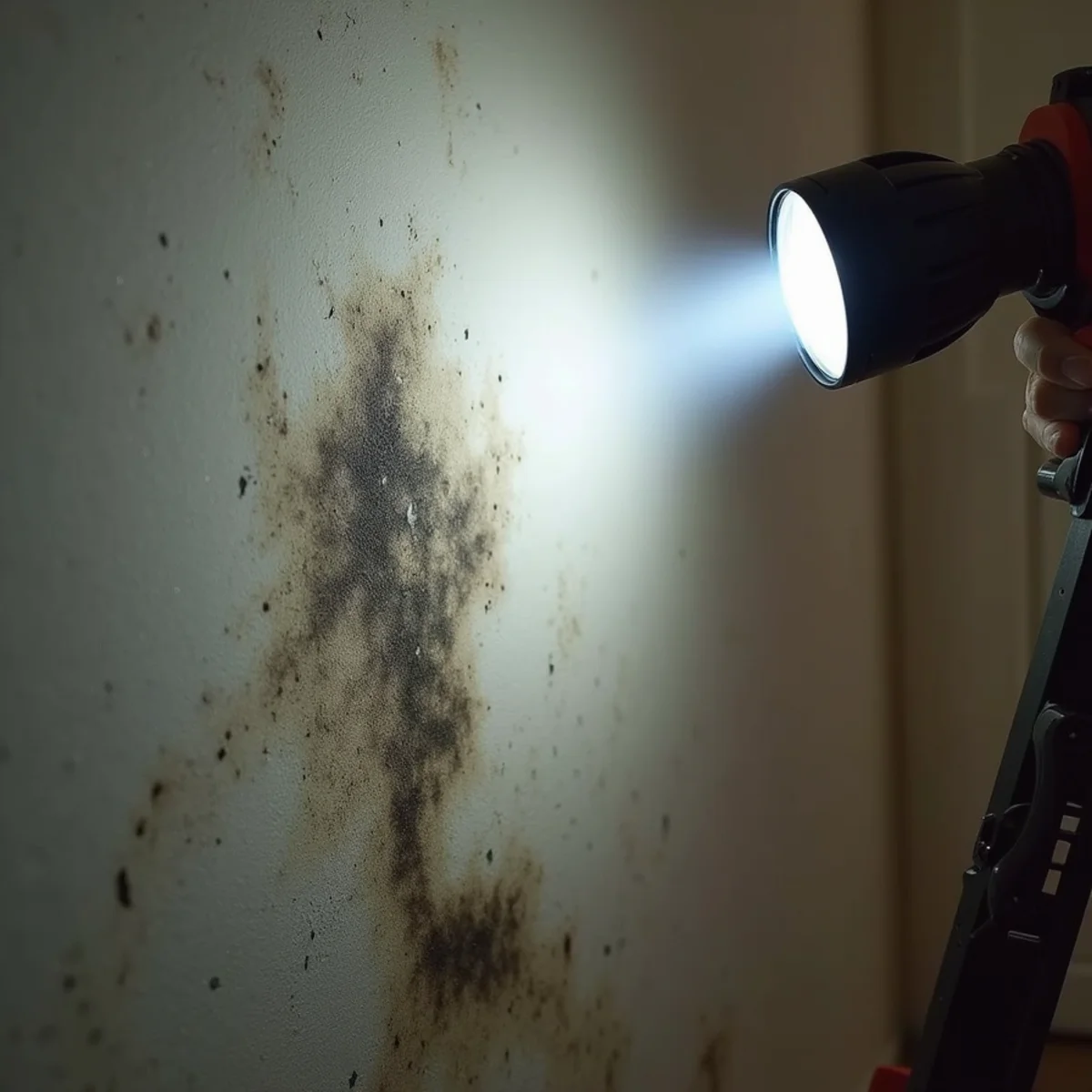
- Beyond 48 hours: higher likelihood of mold, warped flooring, and materials that can't be saved
- More than a week: significant risk of structural and mold damage, often the highest-cost tier
The single biggest lever you control is response time. Calling within the first few hours, rather than the first few days, is often what keeps a job in the lower end of the cost range.
Materials Affected
Hardwood floors, drywall, and cabinetry cost more to restore or replace than tile, concrete, or vinyl. A kitchen or bathroom with built-in cabinetry near the water source adds cost beyond the square footage alone, since cabinets often need to be pulled to dry and inspect the wall and floor behind them.
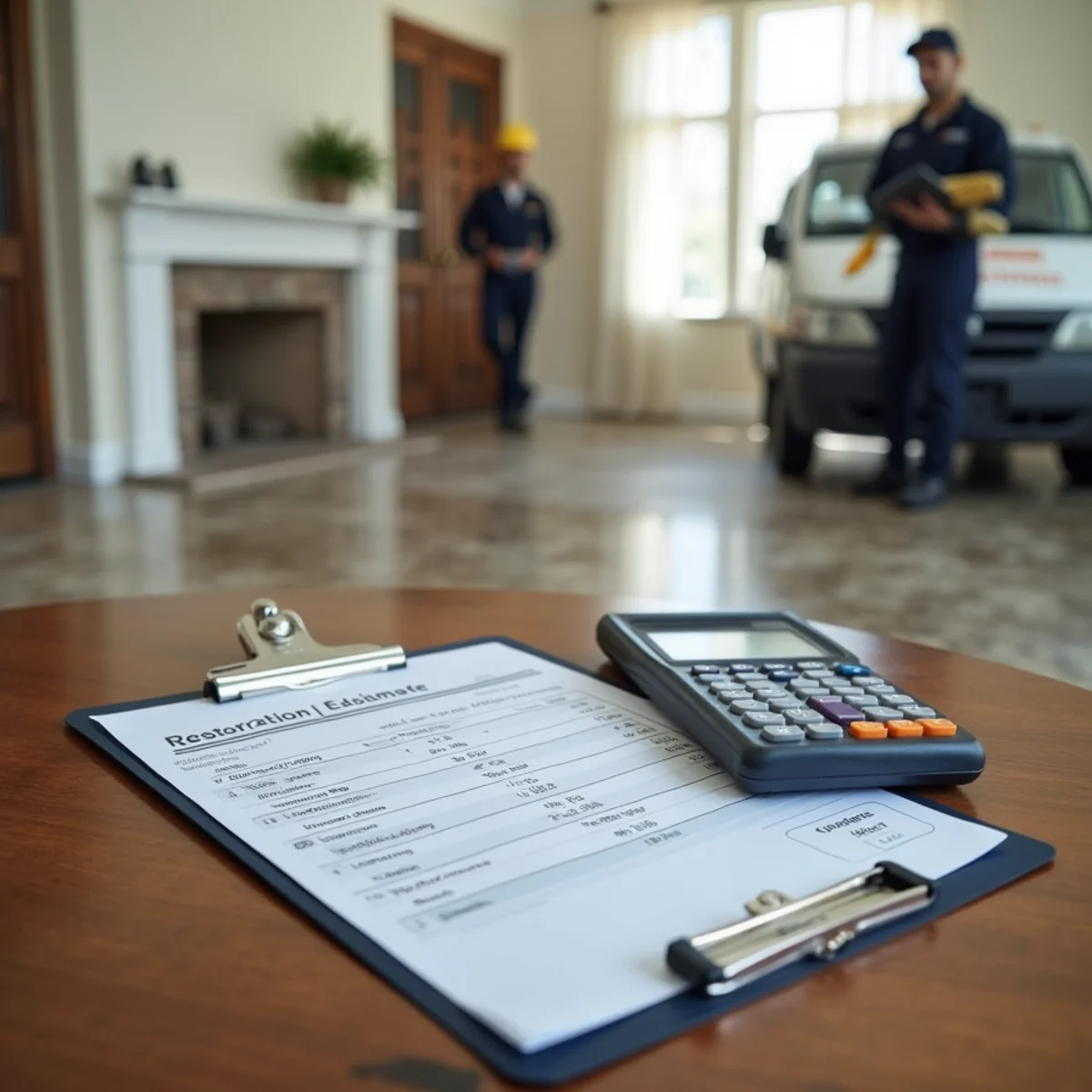
What's Typically Included in a Restoration Estimate
- Water extraction with truck-mounted or portable pumps
- Structural drying with air movers and dehumidifiers, monitored over several days
- Moisture testing to confirm materials are fully dry before closing out the job
- Antimicrobial treatment for Category 2 or 3 water
- Removal and disposal of unsalvageable materials, where needed
Getting an Accurate Number for Your Situation
Every job is different, and a phone estimate can only ever be a rough range — an accurate number requires seeing the affected area, the water category, and how far it's spread. Water Damage Lakewood provides on-site assessments across Los Angeles County and works directly with insurance adjusters when a claim is involved. Call +1 (201) 277-9344, available 24/7, for an assessment and a real number for your specific situation.
Where the Bill Actually Comes From
People expect square footage to drive the price. It matters, but four other factors usually move the number more. The category of the water, how long it sat, the type of materials soaked, and how hard the wet area is to reach all change the labor and equipment needed.
A Lakewood slab home adds its own wrinkle. Water travels flat under the pad and wicks up into walls, so drying often means more air movers running longer, not just a wet-vac and a fan. The published 2026 national range of about $1,384 to $6,384 is wide for a reason. These variables decide where a given job lands.
- Water category: Cat 3 needs containment, disposal, and disinfection that Cat 1 does not
- Dwell time: mold and wicking after 48 hours expand the removal scope
- Materials: hardwood, plaster, and dense pad cost more to dry or replace than laminate
- Access: water under cabinets, behind tile, or below a slab means more demolition
- Equipment days: bigger or slower-drying areas run more machines for more days
Related help from our team
Frequently Asked Questions
What's the average cost of water damage restoration?
The 2026 national range for residential jobs runs roughly $1,384 to $6,384, though the actual cost for any specific job depends on water category, square footage affected, and how long the water sat before cleanup started.
Does insurance typically cover the cost of restoration?
Many policies cover sudden, accidental water damage, but coverage depends on the cause and your specific policy terms. Check with your insurer or adjuster before assuming a given scenario is covered.
Why do two similar-looking floods cost so differently to fix?
Water category, how far the water traveled, and response time all vary even between similar-looking incidents. A quickly addressed clean-water leak can cost a fraction of a sewage backup that sat for days.