Insurance adjusters weren't in the room when your pipe burst or your roof started leaking. Everything they know about what happened comes from what you document — photos, notes, receipts — before and during cleanup. Good documentation doesn't guarantee a claim gets approved, but weak documentation makes it much harder to prove one that should be.
Whether you're in Cerritos or anywhere nearby, the same approach applies: document first, clean up second, and keep records of everything in between.
Photograph Before You Touch Anything
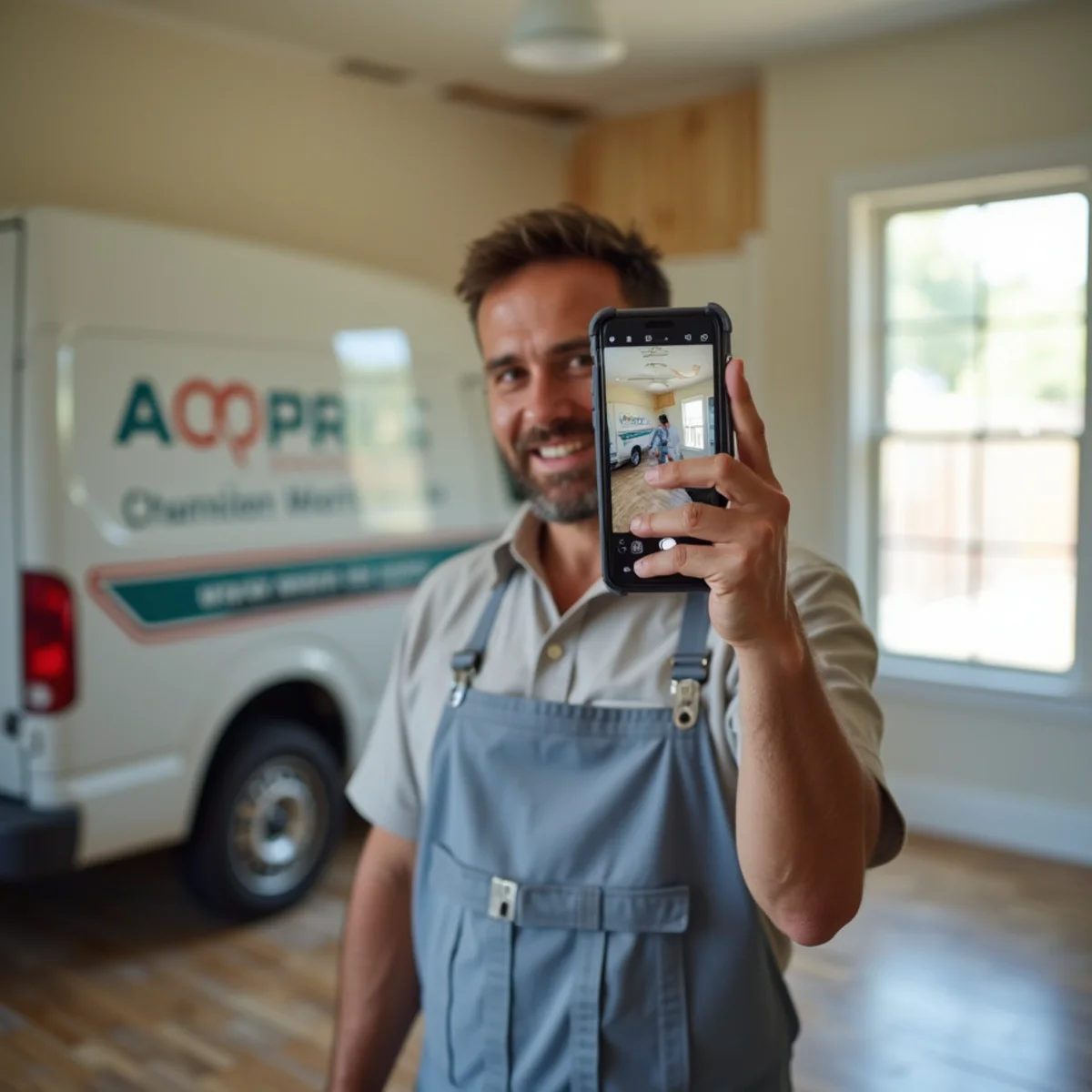
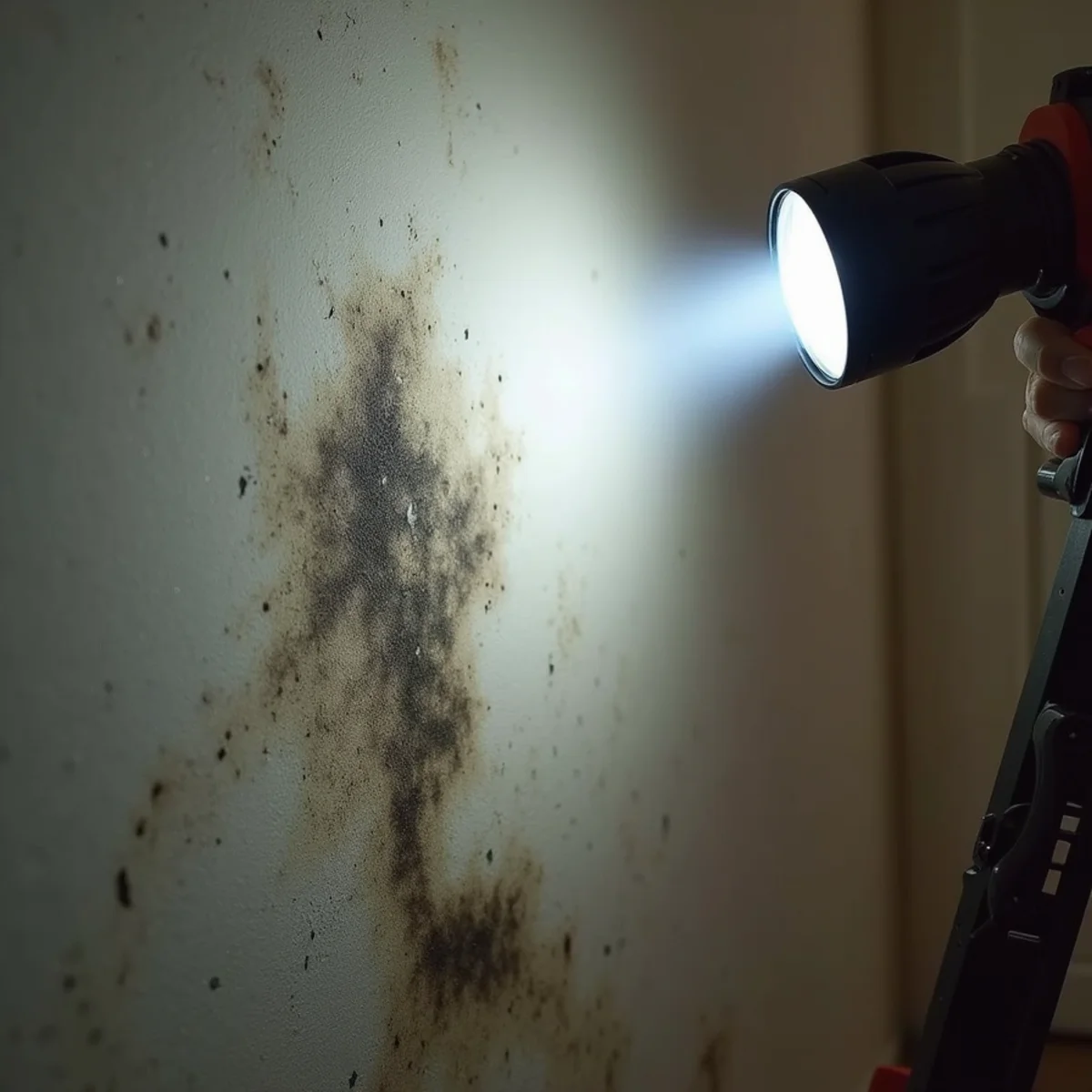
Take photos and video the moment you discover the damage, before you move furniture, mop water, or start drying anything out. Capture wide shots of the whole room, then close-ups of the specific damage — the source of the leak, standing water, stains, and anything the water touched directly.
Turn on video and slowly pan the room before you touch a single item. It's the fastest way to capture context you might otherwise forget to photograph individually.
What to Capture Specifically
- The water source itself — the burst pipe, failed appliance, or roof leak
- Standing water, including depth if you can show it against a wall or baseboard
- Damaged flooring, drywall, cabinetry, and baseboards
- Personal belongings that were affected, including furniture and electronics
- Any pre-existing damage in the area, for contrast, if you have older photos
Keep a Written Timeline
Note the date and time you discovered the damage, when you shut off the water source, and when you contacted your insurer and a restoration company. Adjusters often ask about response time, since it affects both the extent of damage and whether the claim reflects prompt, reasonable action on your part.
Save Every Receipt
- Emergency mitigation costs, like a plumber's after-hours call or fans you bought yourself
- Temporary lodging, if the damage made part of the home unusable
- Restoration and repair invoices, itemized by service
- Replacement costs for damaged belongings, with receipts or reasonable value estimates if originals aren't available
Get a Professional Assessment on Record
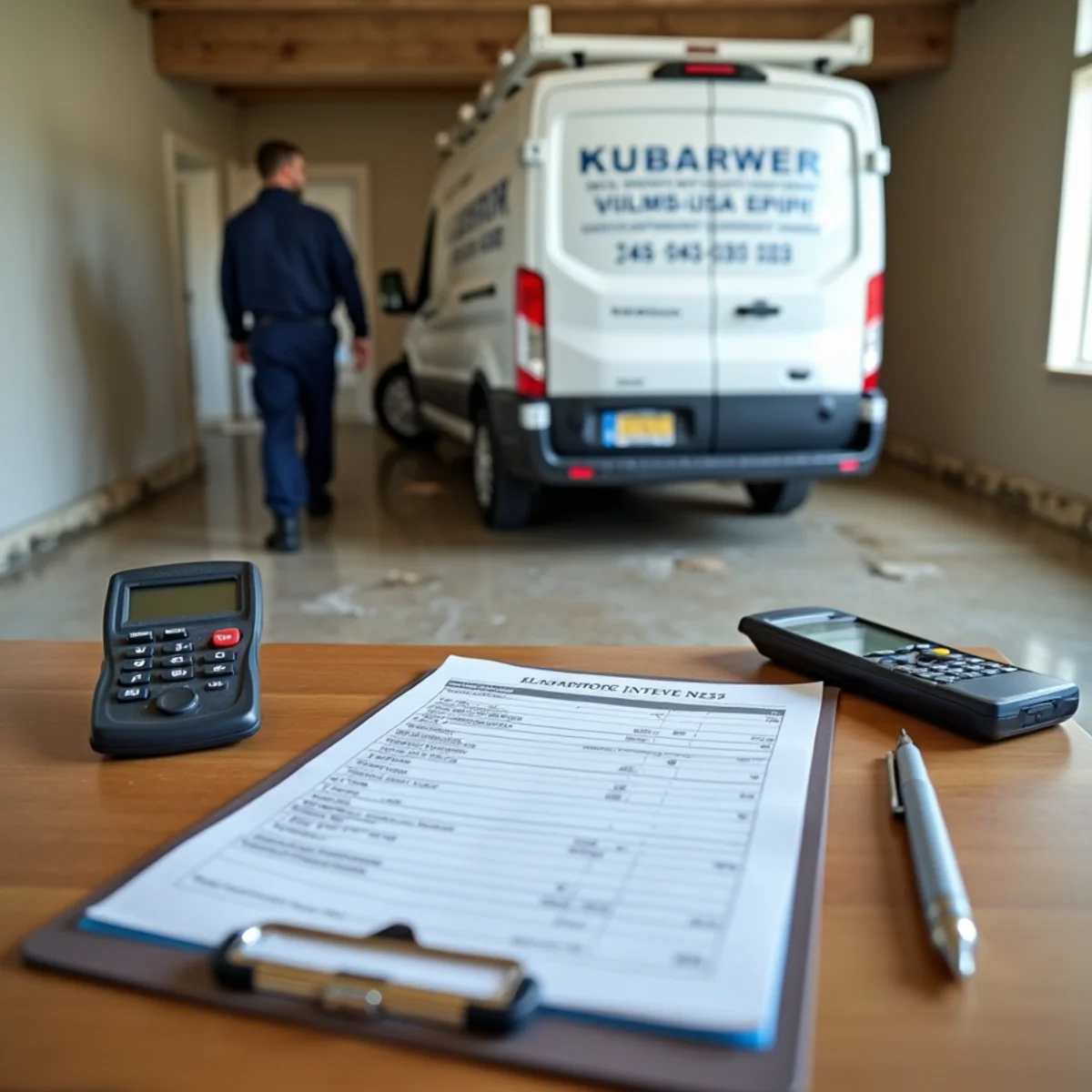
A restoration company's written assessment — including water category, affected square footage, and moisture readings — adds a level of documentation homeowners usually can't produce alone. That assessment becomes part of the record your adjuster reviews, and it's typically more persuasive than photos alone since it comes from someone trained to evaluate the damage.
Don't Wait to Start This Process
Documentation works best when it happens in real time, not reconstructed from memory after the cleanup is done. If you're dealing with active water damage in Cerritos or nearby, call Water Damage Lakewood at +1 (201) 277-9344. We provide the kind of detailed, photographed assessment adjusters look for, alongside emergency water removal, available 24/7.
Film It Like You'll Have to Prove It
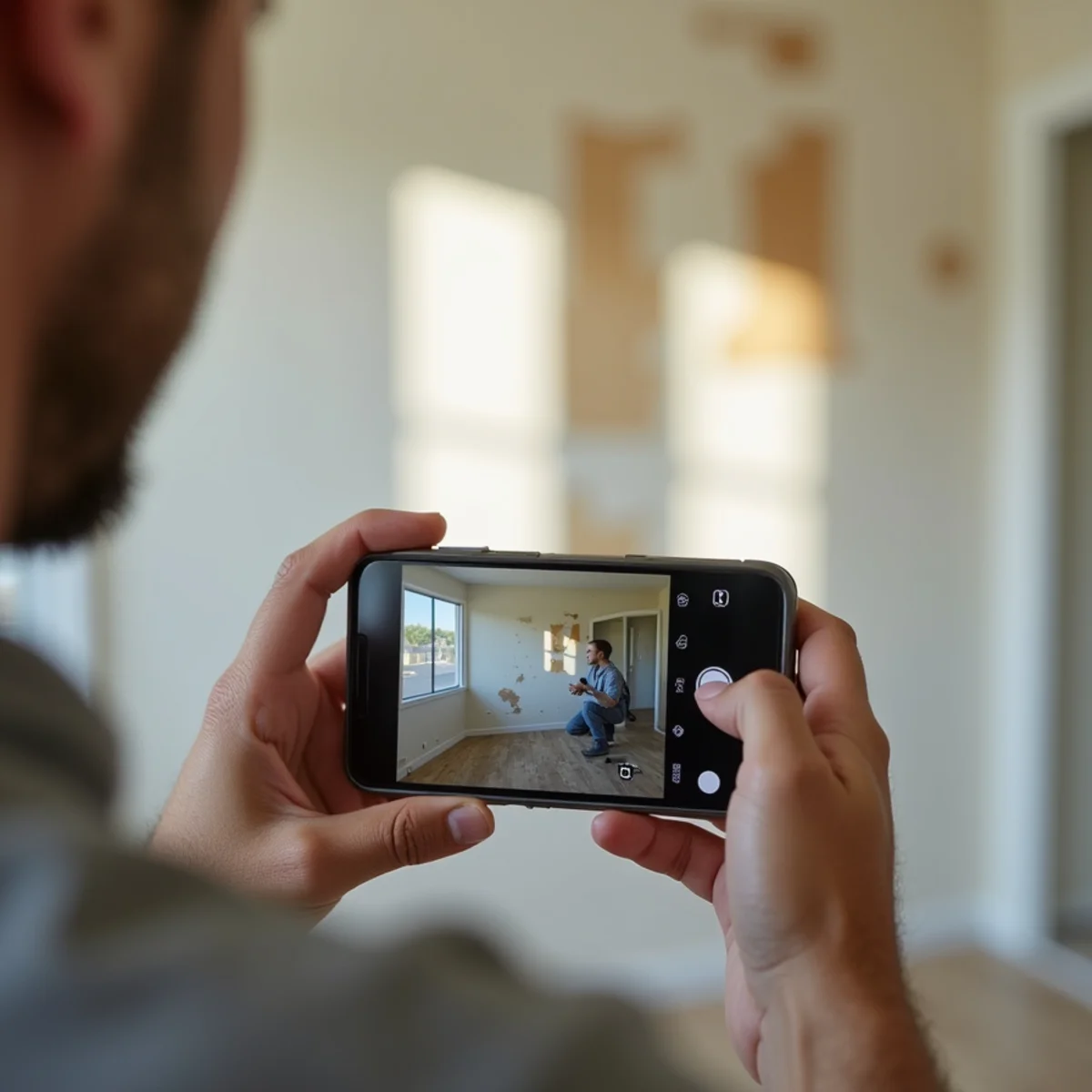
A phone camera is your best claim tool if you use it right. Most people snap three photos and stop. Adjusters want to see extent and continuity, so shoot slow, wide video first, then move in close on the source and the damage without cutting the recording.
Narrate as you go, with the date. A restoration company then adds what a homeowner cannot: a written scope, moisture readings, and a category call that ties the damage to a covered cause. Your footage shows what happened. Our documentation shows how far it went and what it takes to fix it.
- Walk the whole room in one continuous clip before you touch anything
- Then zoom in on the source, the standing water, and every wet surface
- Say the date and what you're seeing out loud as you film
- Photograph damaged contents with a ruler or common object for scale
- Keep receipts for fans, tarps, and any emergency steps you paid for
Related help from our team
Frequently Asked Questions
Should I take photos before or after cleaning up water damage?
Before. Photograph and video everything first — the source, the standing water, and the damage — then start cleanup. Evidence gets harder to reconstruct once items are moved or dried.
What receipts should I keep for a water damage claim?
Keep receipts for emergency mitigation, temporary lodging if needed, restoration and repair invoices, and replacement costs for damaged belongings. Itemized invoices are more useful to an adjuster than lump-sum totals.
Does a professional damage assessment help my insurance claim?
Generally, yes. A written assessment with water category and moisture readings from a restoration company adds documentation an adjuster can rely on beyond homeowner photos alone.
How soon do I need to file a water damage claim?
Most policies expect prompt notice, so call your insurer as soon as the home is safe and you have documented the scene. You do not need every receipt in hand to open the claim — start it, then keep adding your photos, written timeline, and the restoration company's assessment as they come in. Waiting can raise questions about how the damage was handled.