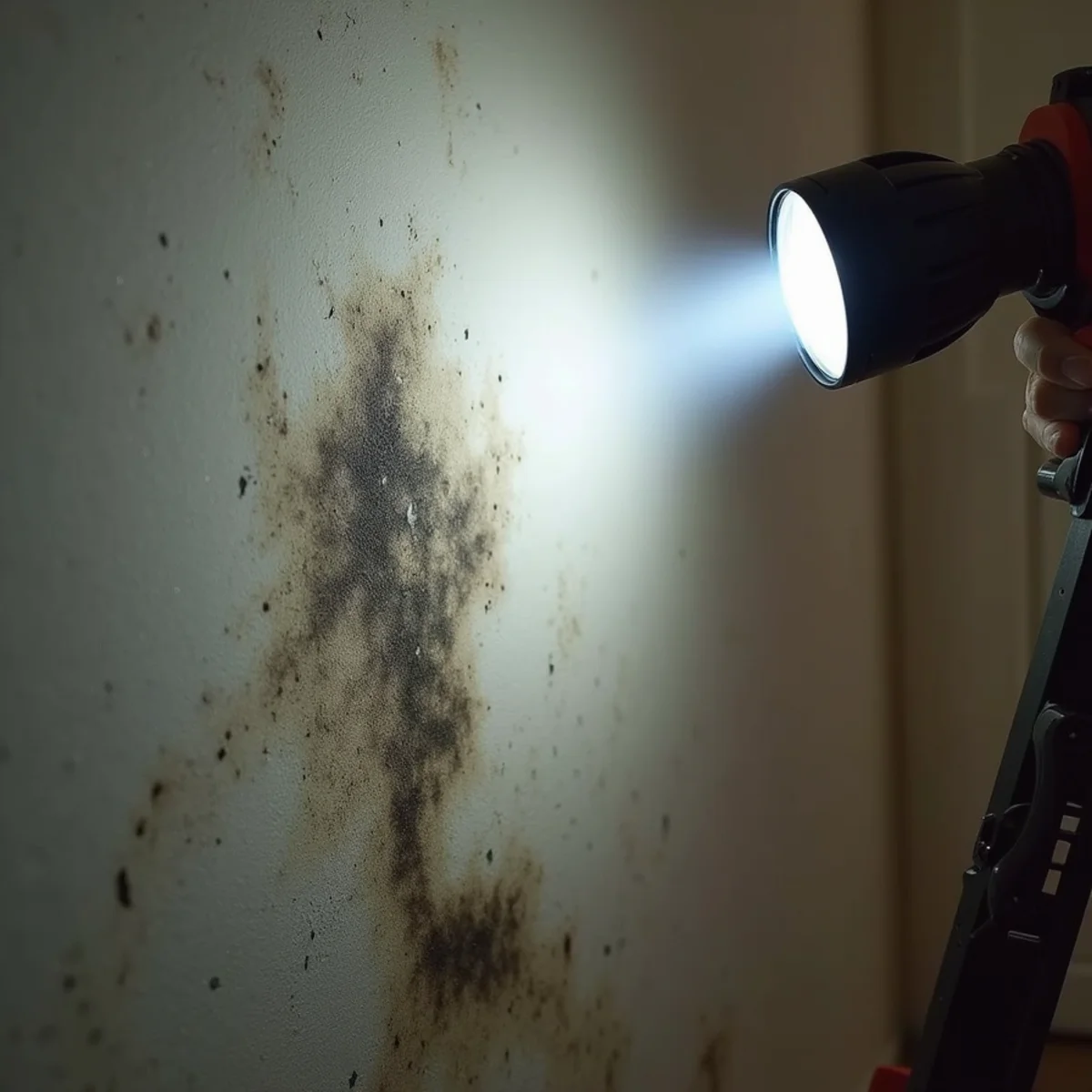

A slab leak is a water leak in the pipes running underneath a concrete foundation — common in slab-on-grade homes, where the plumbing is embedded in or under the slab itself rather than running through a basement or crawlspace. It usually shows up as an unexplained spike in the water bill, a warm spot on the floor, or a damp patch that won't dry.
Lakewood Village sits squarely in this situation: the neighborhood is part of roughly 17,500 slab-on-grade tract homes built between 1950 and 1953, most still running some original galvanized steel plumbing. When a slab leak turns up, homeowners face a real decision — patch the one leak, or repipe the whole house. Here's how that decision plays out.
Why Slab Leaks Happen Here Specifically
Two factors combine in this part of Lakewood. First, the galvanized steel pipe common in homes from this era has a rated lifespan of 40 to 50 years and is now 70-plus years old — well past that mark, and corroding from the inside out. Second, the adobe and clay soil under much of Lakewood expands when wet and contracts when dry, shifting the slab slightly with the seasons and stressing the pipe embedded in or under it. Either factor alone raises leak risk; together, they make slab leaks a fairly common call in this area.
Spot Repair: Lower Cost, Limited Guarantee
A spot repair means locating the specific leak, typically with acoustic or electronic leak detection equipment, then accessing that section of pipe — either by tunneling under the slab or cutting through it — and repairing or replacing just that segment. It's the lower-cost option upfront and can be the right call for a single, isolated leak in an otherwise sound plumbing system.
Repiping: Higher Upfront Cost, Fewer Repeat Calls
A full repipe replaces the home's water supply lines, often rerouting them through walls and attic space instead of under the slab, using modern copper or PEX piping. It costs significantly more upfront than a spot repair, but it addresses the underlying cause — aging galvanized pipe — rather than one symptom of it. For a home that's already had one or two slab leaks, repiping often works out cheaper over time than repeated spot repairs and repeated water damage.
How to Decide Between Them
- One isolated leak, otherwise healthy plumbing: spot repair is often reasonable
- A second or third slab leak in a few years: repiping starts to make more financial sense
- Pipes original to a home built in the early 1950s: age alone is a strong argument for repiping, even after just one leak
- Planning to stay in the home long-term: repiping reduces the odds of repeat water damage disrupting that plan
What Insurance Typically Covers — and Doesn't
This is where slab leaks get complicated for homeowners. Most policies treat the plumbing repair itself — locating and fixing or replacing the pipe — as a maintenance cost, not a covered loss. But the resulting water damage to flooring, drywall, and belongings caused by the leak is often covered, since that part is sudden and accidental rather than wear and tear. Always confirm the specifics with your own policy and adjuster, since terms vary by insurer.
Ask your adjuster directly whether your policy covers "resultant damage" from a slab leak, even if the plumbing repair itself isn't covered. That distinction is the difference between a partial and a full claim.
Get the Water Damage Assessed First
Whichever repair path you choose, the water damage from a slab leak needs to be addressed on its own timeline — moisture under and around a slab leak can sit for weeks before anyone notices, and it starts risking mold and flooring damage well before the plumbing decision gets made. Our slab leak water damage team assesses and documents the damage across Lakewood Village and the surrounding area, which supports your insurance claim regardless of which repair route you take. Call Water Damage Lakewood at +1 (201) 277-9344, available 24/7.
Judge the whole system, not the one leaking pipe
The repair-versus-repipe decision is not really about the single pipe that failed. It is about the age and material of the entire plumbing system feeding it. Fixing one spot under the slab is cheaper today, but if the rest of the plumbing is the same 70-year-old galvanized or early copper, you are patching one link in a chain that is failing everywhere at once.
In 1950s Lakewood homes we see a pattern: one slab leak gets repaired, and within a year or two another shows up a few feet away. That is not bad luck. It is the same corroded run reaching the end of its life on its own schedule. When the system is that old, a repipe often costs less over a few years than chasing leaks one at a time, and it ends the disruption of repeated slab access.
If your home still runs original galvanized supply lines, price the repipe too — repairing one slab leak on an old system usually just buys time until the next one.
Related help from our team
Frequently Asked Questions
How do I know if I have a slab leak?
Common signs include an unexplained rise in your water bill, a warm spot on the floor over a hot water line, the sound of running water when everything's off, or a damp patch on flooring that keeps coming back.
Is a spot repair or a full repipe better for an older Lakewood home?
It depends on the plumbing's history. One isolated leak may only need a spot repair, but homes with original galvanized pipe from the early 1950s, especially after a second leak, often come out ahead financially with a full repipe.
Does homeowners insurance cover slab leak repair?
Typically not the plumbing repair itself, which is usually treated as a maintenance item. The resulting water damage to floors, walls, and belongings is often covered, but always confirm with your specific policy and adjuster.