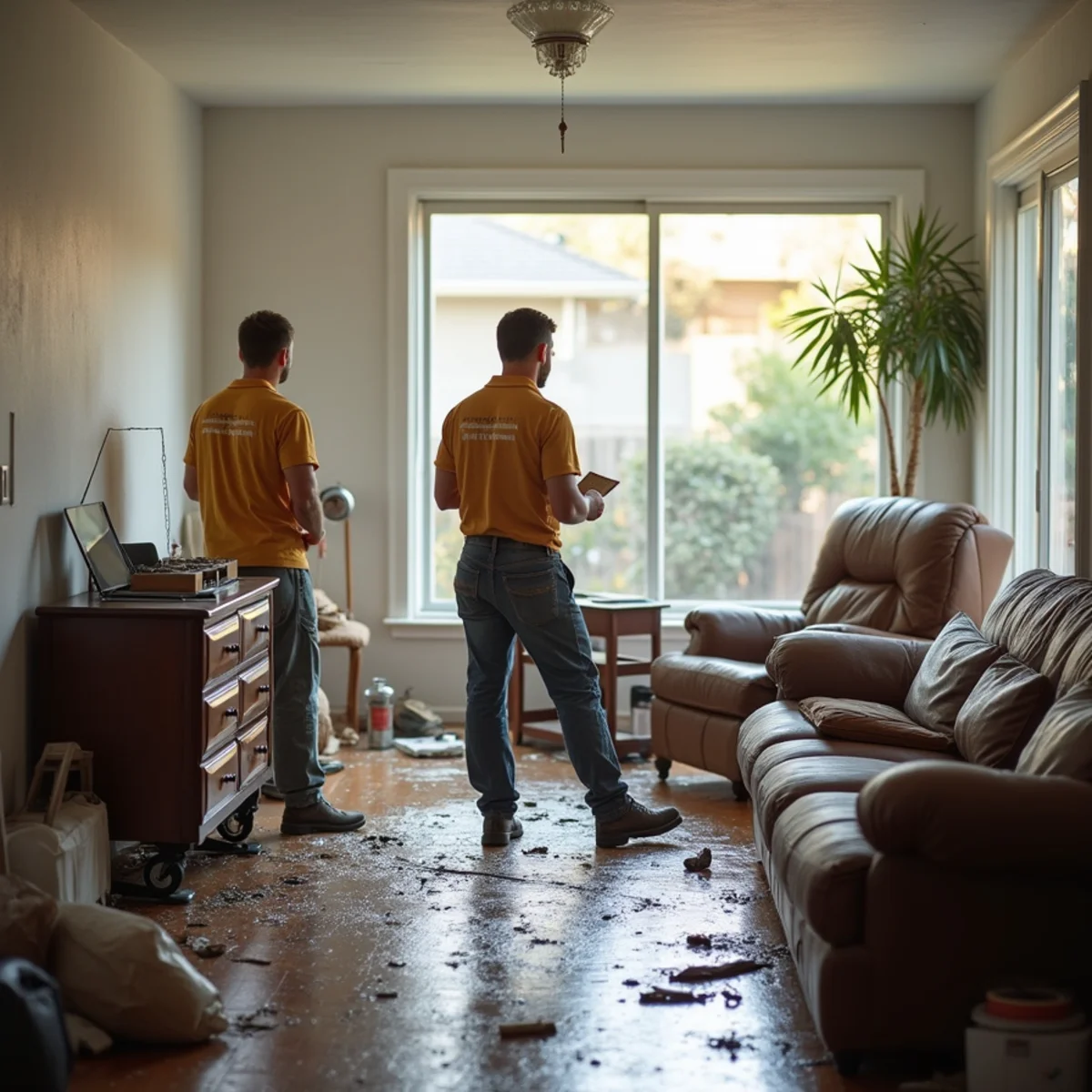
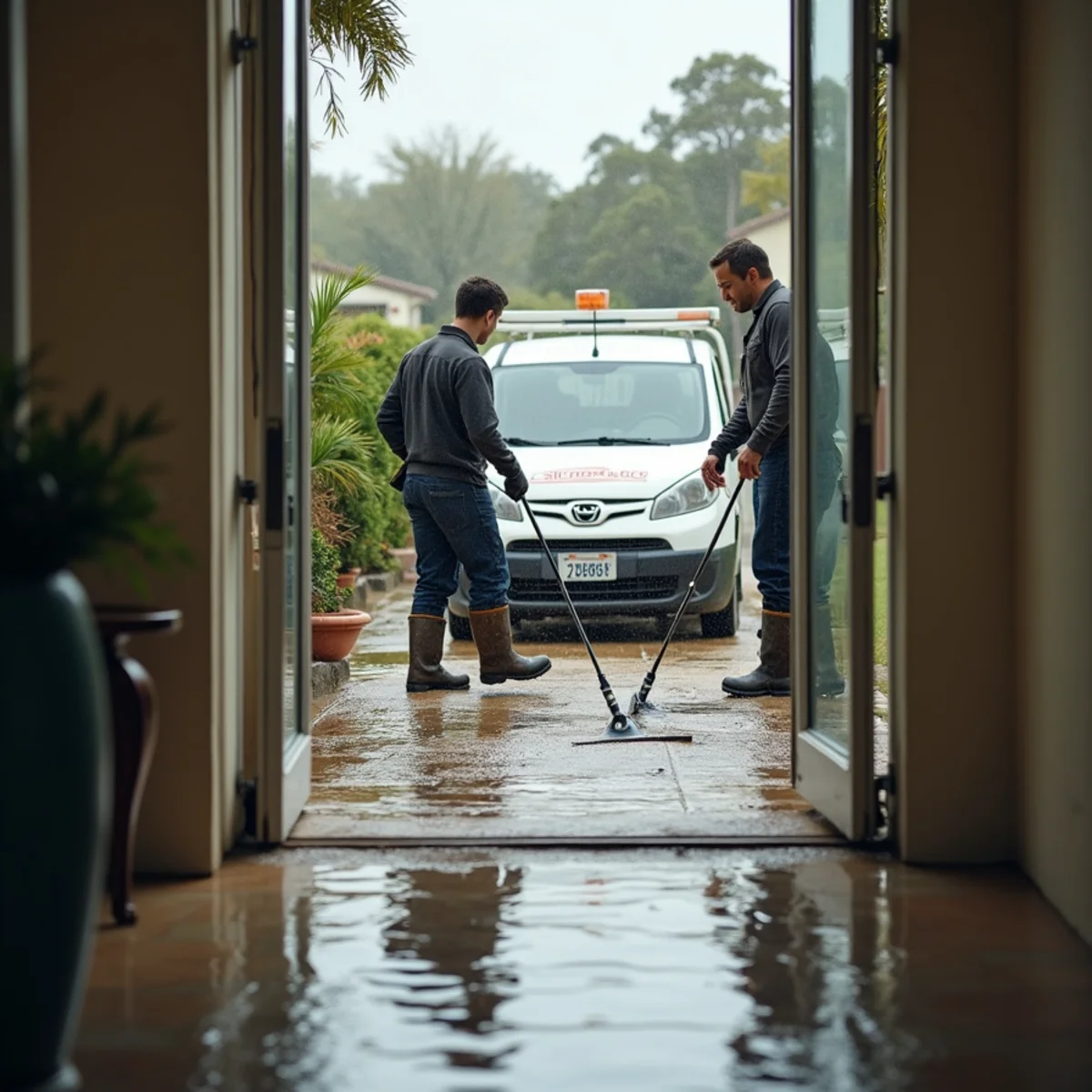
A flood leaves more than water behind. It carries in silt, debris, and whatever the water picked up on the way in. What is left after the water recedes is a wet, dirty, and often contaminated mess that has to be handled the right way.
Flood water is rarely clean. Storm runoff and overflows are usually gray or black water, meaning they carry bacteria or worse. Drying alone will not make a flooded home safe — the surfaces have to be cleaned and disinfected, and some materials cannot be saved at all.
We treat flood cleanup as the full job it is. We pump out the water, remove ruined materials, sanitize what stays, and dry the structure to standard. When the work is done, the home is clean and dry, not just emptied. Call +1 (201) 277-9344.
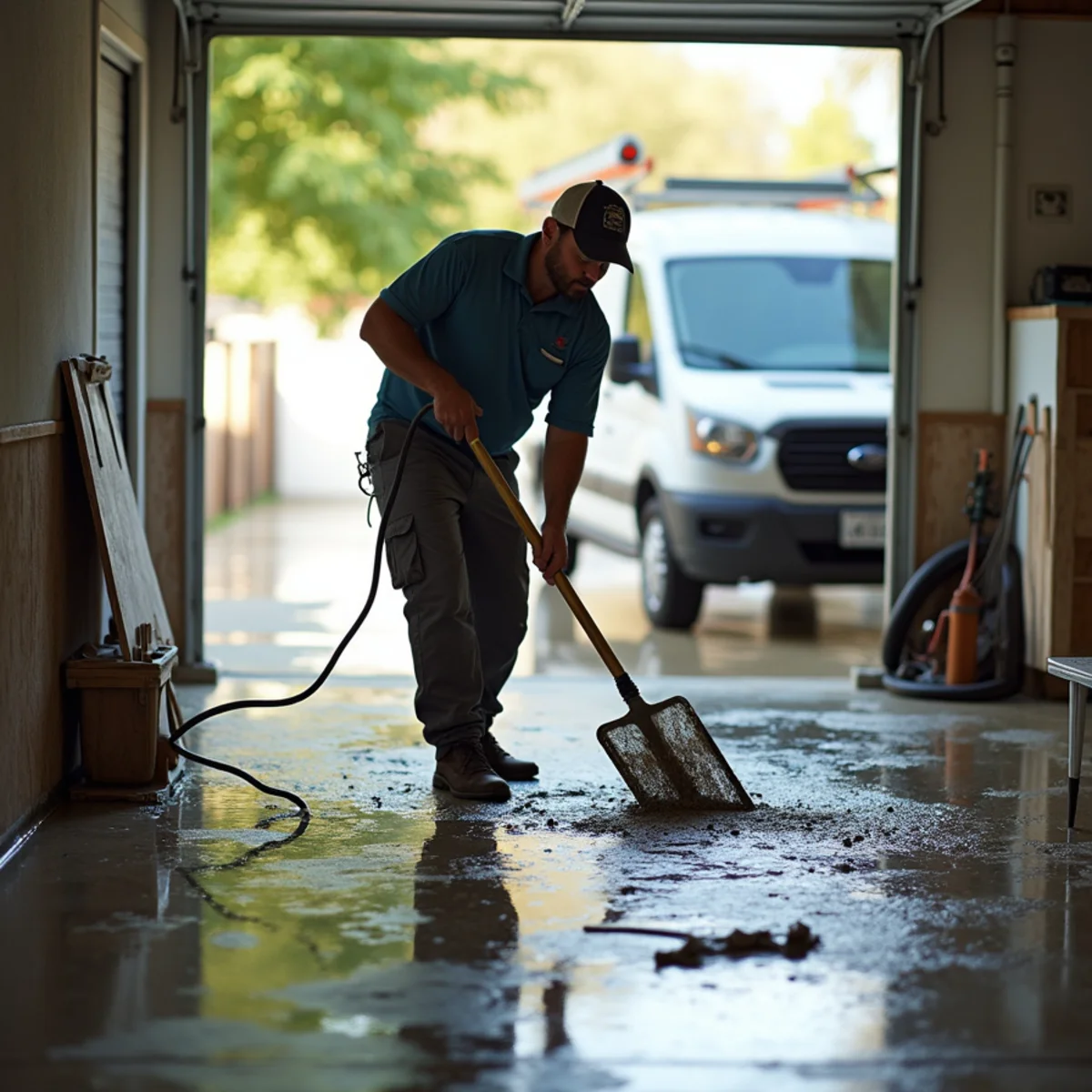
When You Need Flood Cleanup
- Standing water across floors after a storm or major overflow
- Mud, silt, or debris left behind on floors and lower walls
- A waterline staining walls, cabinets, or furniture
- Soaked drywall and insulation along the bottom of walls
- A sour or sewage-like odor after the water recedes
- Warped flooring and swollen baseboards throughout affected rooms
- Wet contents and belongings that need sorting and disposal
What causes flood cleanup in Lakewood homes
Flooding here comes from outside the house. Winter storms and poor drainage push water in through the lowest points of these low-slung tract homes.
- Atmospheric-river storms dropping more rain than yards and street drains can carry
- Adobe clay soil shedding water toward the house instead of absorbing it
- Runoff flowing under garage doors and across the slab into the house
- Blocked or undersized storm drains backing water up onto low-lying lots
- Rising groundwater seeping through slab cracks during long, wet winter storms
- Santa Ana winds driving debris that clogs gutters and yard drains before rain
What's included
Exactly what this service covers — clear line items, no surprises.
- Removal of standing floodwater and contaminated mud
- Muck-out of soaked carpet, pad, and ruined contents
- Disposal of porous materials that touched flood water
- Cleaning and disinfection of framing and hard surfaces
- Antimicrobial application to slow mold growth
- Structural drying with air movers and dehumidifiers
- Documentation of losses for your insurance claim
How It Works
How We Handle Flood Cleanup in Lakewood
Flood cleanup moves from removal to sanitizing to drying.
- 1
Assess and make safe
We check the water category and look for electrical and structural hazards before entering. Flood water is treated as contaminated until proven otherwise.
- 2
Pump and extract
Standing water is pumped and extracted, and mud and debris are cleared. Getting the bulk out fast slows the damage.
- 3
Remove unsalvageable materials
Soaked carpet pad, wet insulation, and contaminated drywall are cut out and hauled away. Porous materials touched by dirty water cannot be reliably cleaned.
- 4
Clean and disinfect
Remaining surfaces are washed and treated with antimicrobial products to control bacteria and odor at the source.
- 5
Dry and dehumidify
Air movers and dehumidifiers dry the framing and subfloor to a measured target so mold does not follow the flood.
- 6
Document for insurance
We photograph the loss and log what was removed and why, giving your adjuster a clear record of the flood cleanup.
What Affects the Cost
Flood cleanup cost tracks with the size of the flood, the water category, and how much material has to be removed and replaced. A contaminated flood costs more than a clean-water event because of the extra removal and disinfection.
- The water category — gray or black water raises the cleanup requirements
- Depth of flooding and the total area affected
- Volume of unsalvageable drywall, insulation, and flooring to remove
- Amount of mud, silt, and debris that must be cleared
- Disinfection and odor control across contaminated surfaces
- Days of drying equipment needed after cleanup
- Disposal fees for contaminated materials and contents
We never quote a firm price sight-unseen. You'll get an honest, itemized estimate on-site, and we work directly with your insurance adjuster on covered losses.
Why Lakewood Homeowners Call Us
Lakewood floods are usually storm-driven. The winter atmospheric-river storms that roll through Southern California can drop rain faster than yard drains and streets can carry it, and the flat terrain lets water pool against foundations and slab-on-grade floors.
Older parts of the city sit at a lower grade, and when heavy rain overwhelms the storm drains, water can push into garages, additions, and low rooms. Because these homes have no basement to catch it, the flood spreads across the living floor instead.
Our crews stage out of N Industry Ave near the 605, close to the neighborhoods that see repeat storm flooding. That proximity lets us start pumping and cleaning quickly, before contaminated water has days to soak in and spread.
Why Choose Us
Why choose Water Damage Lakewood for flood cleanup
60-minute dispatch across Lakewood
Crews dispatched from Lakewood — we aim to be on-site within about an hour, because water spreads by the minute.
Answered live, 24/7
A real person picks up day or night, weekends and holidays, and gives you clear steps while we head your way.
IICRC-Certified Technicians
We dry to the IICRC standard using moisture meters — not guesswork — so your home is verified dry, not just dry to the touch.
We handle your insurance
Photo and moisture documentation, adjuster-ready scopes, and direct billing on covered losses.
Licensed & Insured
Local crews with 15+ years of restoration experience — accountable, local, and easy to reach.
Areas we serve for flood cleanup
Fast local response across Lakewood and the Gateway Cities.
Flood Cleanup: Common Questions
Is flood water dangerous to clean up myself?
Often, yes. Storm and overflow flooding is usually gray or black water carrying bacteria and debris. Without protective gear and disinfection, you risk illness and cross-contamination. If the water is dirty or you are unsure, let a crew handle it.
What can be saved after a flood?
Hard, non-porous items like tile, sealed concrete, and metal can usually be cleaned and kept. Soaked carpet pad, wet insulation, and drywall hit by contaminated water generally have to go. We sort salvageable from unsalvageable and document it for your claim.
Does my insurance cover flood cleanup?
It depends on the source. Damage from an internal overflow is often covered by a standard homeowners policy, while rising outside floodwater usually requires separate flood insurance. We document the cause and loss clearly so your claim has what it needs.
Is floodwater in Lakewood usually clean or contaminated?
Storm and street flooding often carries mud, bacteria, and whatever it crossed on the way in, so we treat it as contaminated. That means porous materials it soaked usually cannot be saved. We disinfect surfaces and dry the structure once the contaminated materials are out.
How soon should flood cleanup start after the water recedes?
As soon as it is safe to enter. Every hour standing water and damp materials sit, the risk of mold and swelling framing grows. Starting within the first day gives you the best chance to save flooring and structure.
My whole street flooded in the storm — can you still respond?
Yes. Atmospheric-river storms flood many homes at once, and we staff up during those events. Call and we will give you an honest arrival window and put you in the queue. Early extraction, even before the rebuild, limits how far the damage spreads.