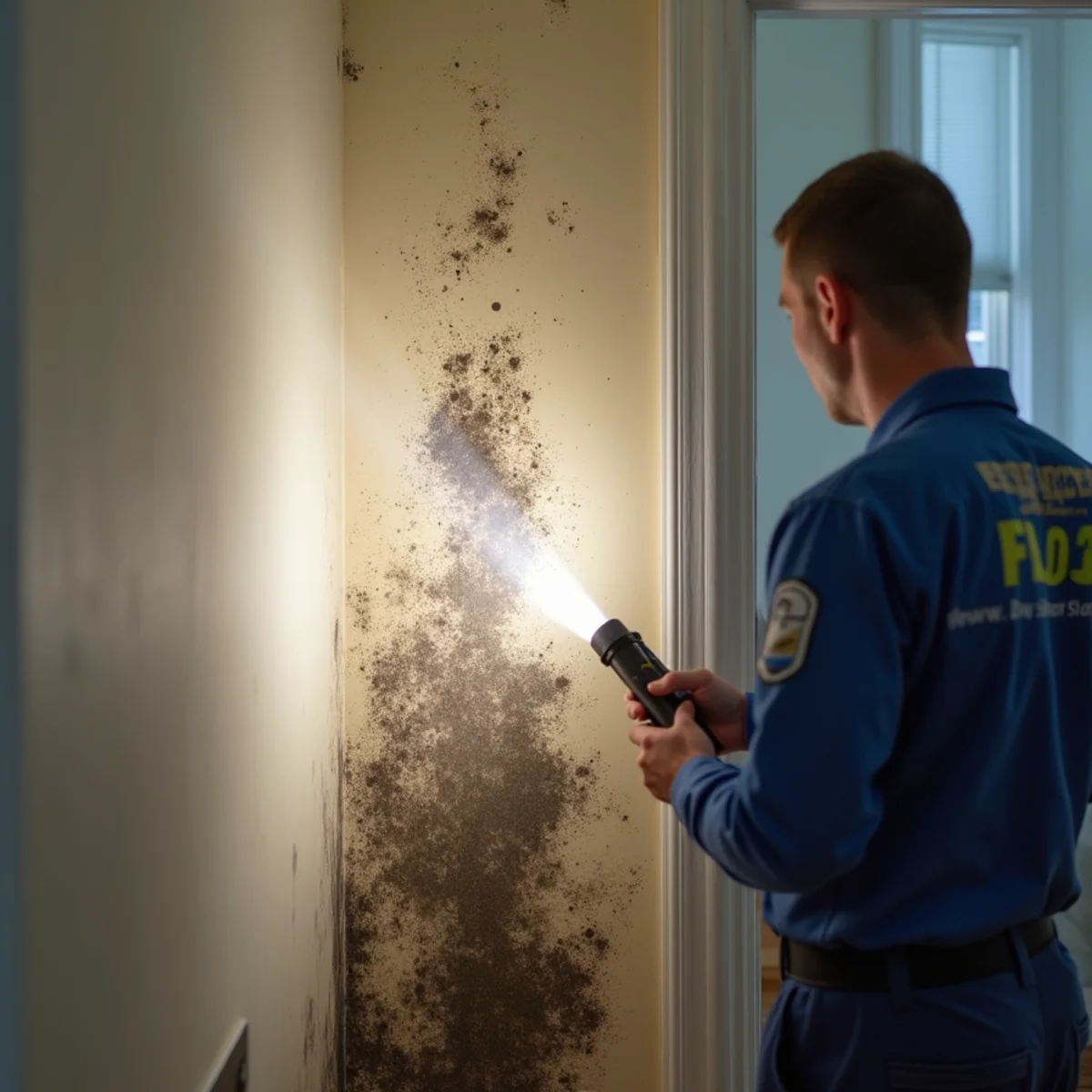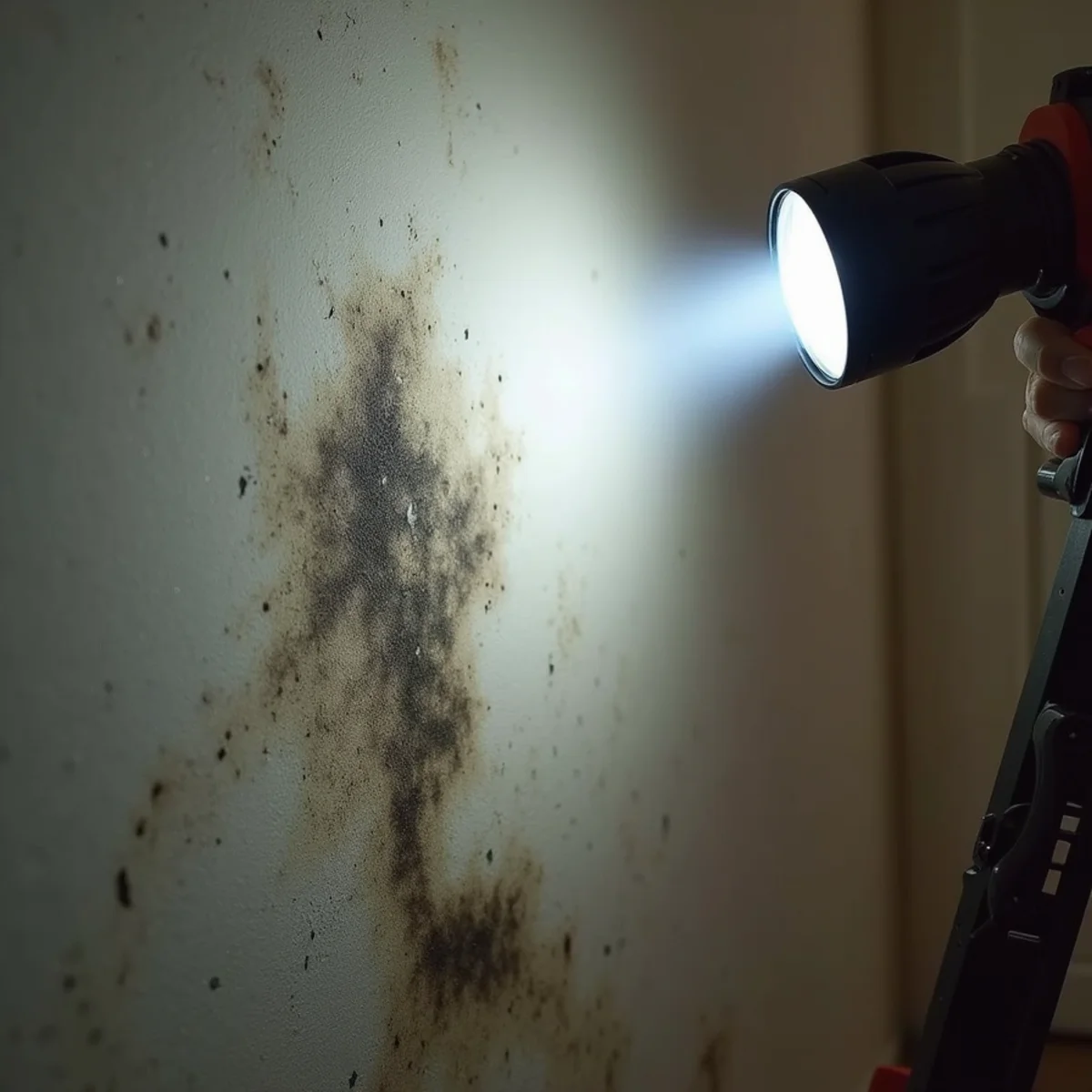
Mold is a moisture problem wearing a disguise. It shows up as staining or a musty smell, but the real issue is water that never fully dried. Wipe the surface and leave the moisture, and the mold returns in the same spot within weeks.
It also spreads. Disturbing mold without containment sends spores through the air to settle in new rooms. Some growth is hidden inside walls or under flooring, quietly expanding while the visible patch looks small. Bleach on the surface does not reach it.
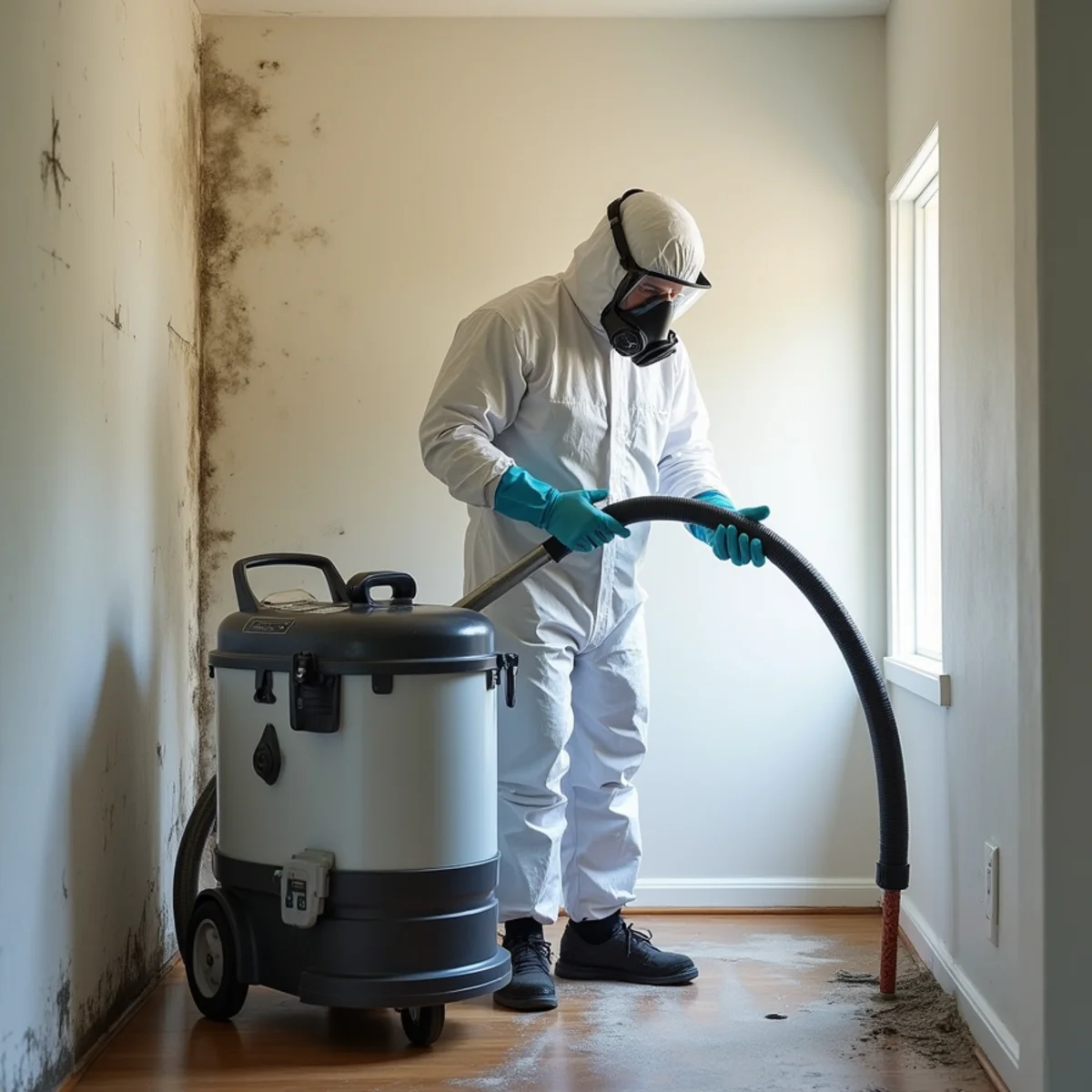
We remediate the right way. Remediation means containing the area, removing the growth safely, and correcting the moisture that fed it. Fix the water source and the mold loses its home. Call +1 (201) 277-9344 to get an assessment started.
Signs You Have a Mold Problem
- A persistent musty or earthy smell you cannot locate
- Black, green, or white patches on walls, ceilings, or grout
- Discoloration bleeding through paint or around baseboards
- Worsening allergy symptoms — sneezing, congestion, itchy eyes — indoors
- Past water damage that was never fully dried
- Warping or bubbling on walls with no obvious surface leak
- Visible growth returning after you have cleaned it before
What causes mold remediation in Lakewood homes
Mold follows moisture. In Lakewood's slab homes, it takes hold wherever water lingers unseen — behind walls, under floors, and in the humid coastal air.
- Slow slab leaks keeping carpet, pad, and baseboards damp for weeks unnoticed
- Roof and ceiling leaks wetting drywall and framing during winter storms
- Poorly ventilated bathrooms and laundry rooms trapping steam against the walls
- Condensation on single-pane windows and uninsulated walls in older tract homes
- Coastal humidity feeding mold in closed-up closets, garages, and crawl spaces
- Water damage that was dried on the surface but left wet inside the cavities
What's included
Exactly what this service covers — clear line items, no surprises.
- Containment barriers and negative air to trap spores
- HEPA air scrubbers running throughout the work area
- Removal of mold-damaged drywall, trim, and insulation
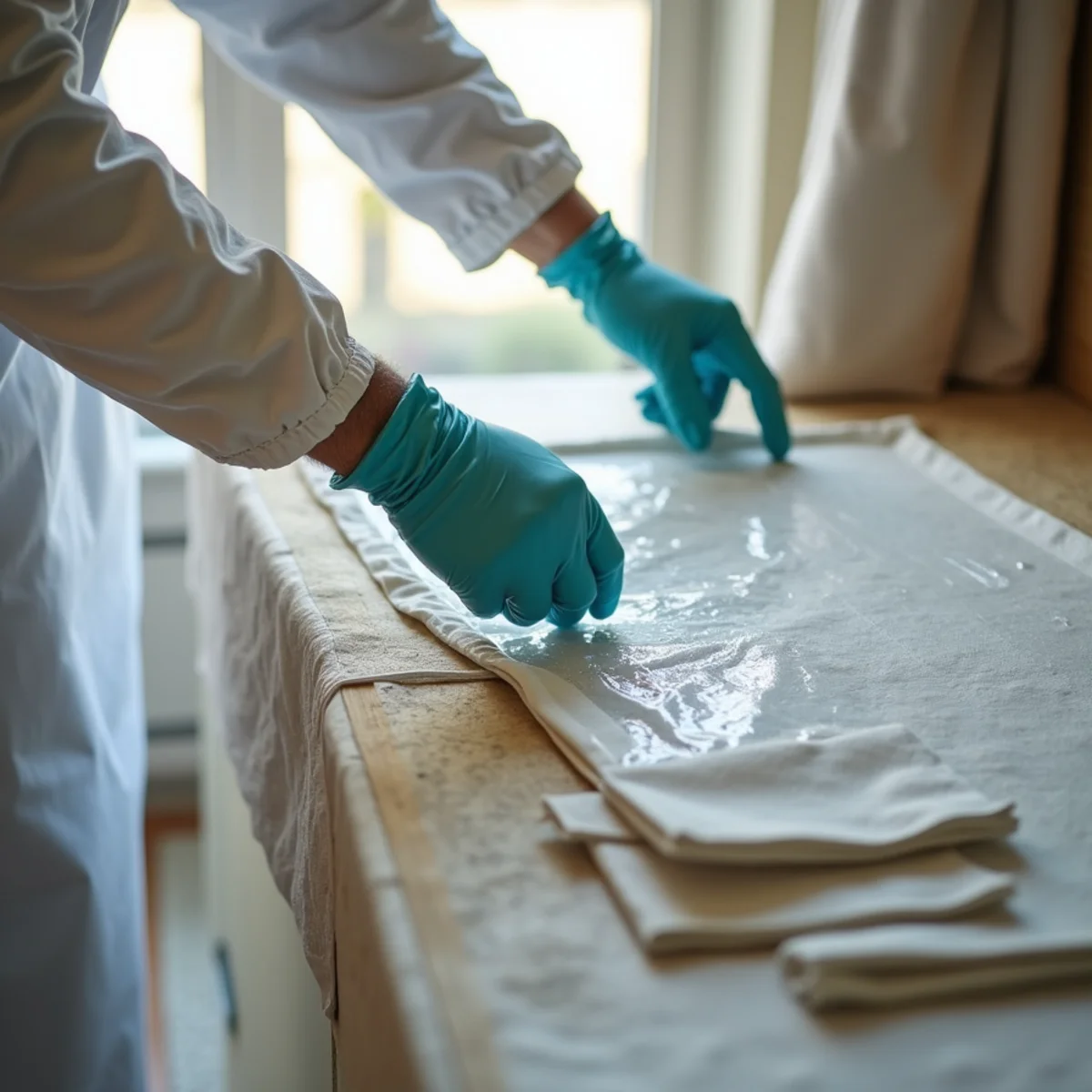
- HEPA vacuuming and damp-wiping of salvageable surfaces
- Antimicrobial and, where fitting, encapsulant treatment
- Correction of the moisture source feeding the mold
- Guidance to prepare for third-party clearance testing
How It Works
How We Handle Mold Remediation in Lakewood
Remediation follows a containment-first order to keep spores from spreading.
- 1
Assessment and moisture source
We find the growth and, just as important, the moisture feeding it. Without correcting the water source, any removal is temporary.
- 2
Containment
We seal off the work area with barriers and negative air pressure so spores stay contained and do not drift into clean rooms during removal.
- 3
Air filtration
Air scrubbers with HEPA filters capture airborne spores throughout the work, keeping the air inside the containment clean.
- 4
Removal
Moldy porous materials are removed and bagged. Non-porous surfaces are cleaned and treated. We remove growth rather than paint over it.
- 5
Correct the moisture
We dry the area fully and address the water source, whether that is a leak, condensation, or a drying job that was cut short.
- 6
Clean and clear
The area is HEPA-vacuumed and wiped down, then checked to confirm the space is clean and dry before we rebuild.
What Affects the Cost
Mold remediation is priced by the size of the affected area, where the growth is, and how much material must be removed. A small closet is a modest job; mold inside walls across several rooms costs more. We assess before quoting scope.
- The square footage and number of areas with visible growth
- Whether mold is behind walls, under flooring, or in the HVAC system
- The amount of porous material that must be removed and replaced
- Containment and air-filtration requirements for the space
- The underlying moisture source and what it takes to correct it
- Post-remediation drying and rebuild work
We never quote a firm price sight-unseen. You'll get an honest, itemized estimate on-site, and we work directly with your insurance adjuster on covered losses.
Why Lakewood Homeowners Call Us
Lakewood's climate and housing stock give mold plenty of openings. Marine-layer humidity keeps indoor moisture up, and the city's 70-year-old galvanized pipes leak inside walls where no one sees the water until the mold announces it.
Slab leaks are a common hidden source here. When an old supply line fails under the slab, moisture wicks up into wall plates and flooring and can feed mold for months before it surfaces. We look for that root cause instead of just treating the stain.
Because mold can start within 24 to 48 hours of a leak, speed matters, and our N Industry Ave base near the 605 keeps us close. The sooner we dry a water event, the less mold work a Lakewood home needs later.
Why Choose Us
Why choose Water Damage Lakewood for mold remediation
60-minute dispatch across Lakewood
Crews dispatched from Lakewood — we aim to be on-site within about an hour, because water spreads by the minute.
Answered live, 24/7
A real person picks up day or night, weekends and holidays, and gives you clear steps while we head your way.
IICRC-Certified Technicians
We dry to the IICRC standard using moisture meters — not guesswork — so your home is verified dry, not just dry to the touch.
We handle your insurance
Photo and moisture documentation, adjuster-ready scopes, and direct billing on covered losses.
Licensed & Insured
Local crews with 15+ years of restoration experience — accountable, local, and easy to reach.
Areas we serve for mold remediation
Fast local response across Lakewood and the Gateway Cities.
Mold Remediation: Common Questions
Can I just clean mold with bleach?
Surface bleaching may lighten a stain, but it does not fix the moisture feeding the mold or reach growth inside porous materials. The mold usually comes back. Real remediation removes the growth and corrects the water source so it does not return.
Is black mold more dangerous than other mold?
Any mold in the home should be addressed, and we do not diagnose health effects. What matters for cleanup is the same regardless of color: contain the area, remove the growth safely, and fix the moisture. We handle all of it with the same careful process.
How do you keep spores from spreading during removal?
We seal the work area and run it under negative air pressure with HEPA air scrubbers, so spores are captured rather than pushed into clean rooms. Containment is the first step precisely because disturbing mold without it makes the problem worse.
Do you offer mold testing, or just removal?
We focus on remediation and recommend an independent lab or hygienist for testing when clearance is needed. Keeping testing separate from removal avoids a conflict of interest. We are glad to work alongside the tester and meet their clearance criteria.
How long does mold remediation usually take?
Small, contained areas often take one to three days, while larger jobs run longer. The moisture source has to be fixed first, or the mold returns. We give a realistic timeline after we see the extent behind the walls.
Can I stay home while you remove the mold?
Usually yes, since we seal the work area with containment and run negative air to keep spores from spreading. Sensitive individuals may prefer to stay out of that room. We will tell you honestly if the scope calls for staying elsewhere for a night.