
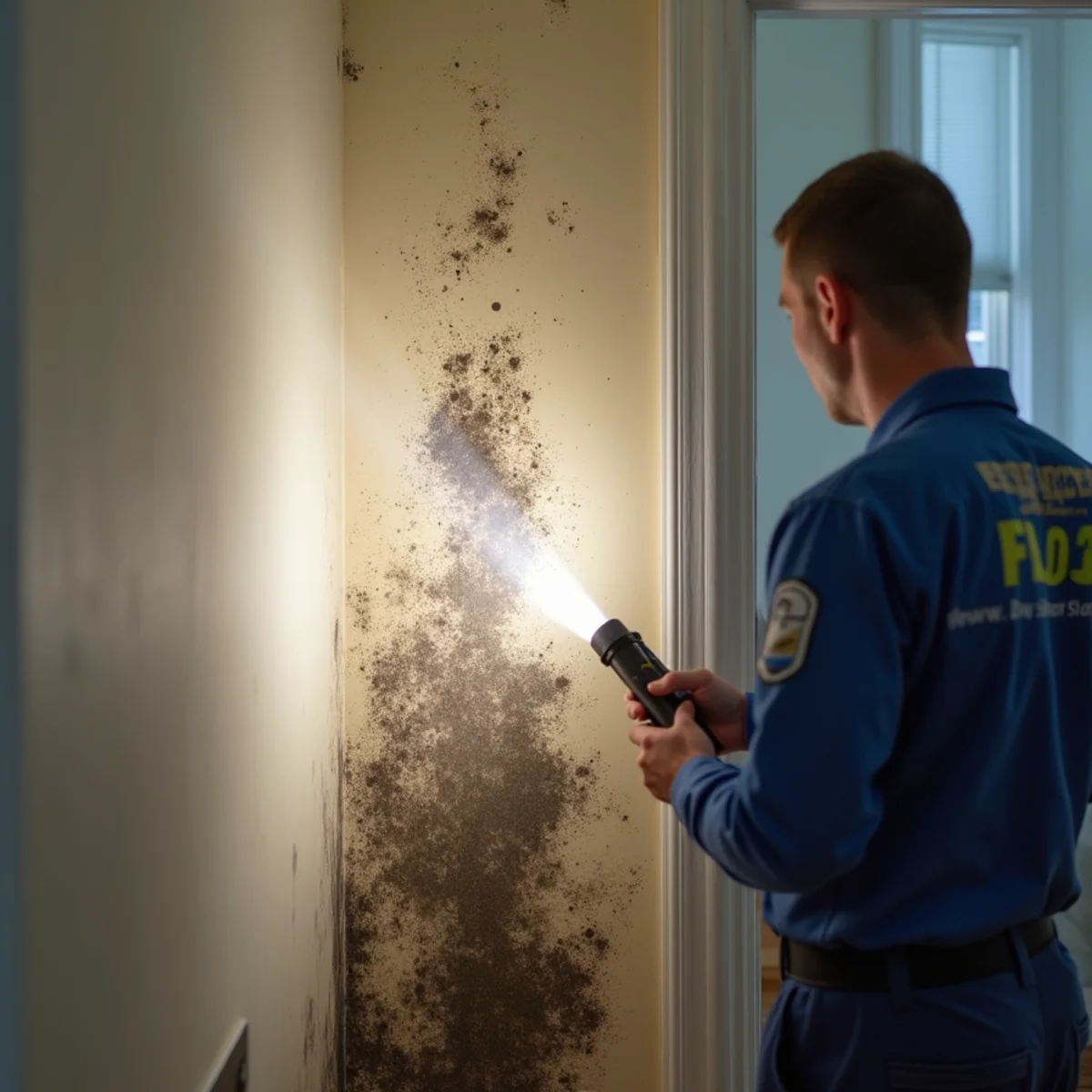
Mold doesn't need much time. Given the right moisture and a surface to grow on, it can begin colonizing within 24 to 48 hours of a leak — which is faster than most homeowners expect, and faster than a lot of DIY cleanup timelines allow for.
If you've had a leak in Lakewood Gardens, here's what's actually happening hour by hour, and what still has to happen fast to keep mold from taking hold.
What Mold Actually Needs to Grow
Mold spores are present in nearly every home, all the time — they're part of normal indoor air. What they're waiting for is moisture, an organic food source like drywall paper or wood, and time. A leak provides the first two immediately.
Temperature matters too. Mold grows fastest in the range most homes are already kept at, so there's no comfortable indoor temperature that slows it down meaningfully.
The 24-to-48-Hour Timeline
- Hours 0–4: Water spreads into porous materials — carpet, drywall, baseboards
- Hours 4–24: Materials stay saturated; conditions become favorable for spore germination
- Hours 24–48: Visible mold colonies can begin forming on wet surfaces
- Days 3–12: Colonies expand and can become visible as discoloration or fuzzy growth
- Beyond 12 days: Growth is typically well established and spreading to nearby materials
Why the Window Is Shorter Than People Expect
A lot of people wait to see if a small leak "dries on its own" before calling anyone. With a wet vac and open windows, that can take a few days — which is well past the point where mold has already started.
By the time mold is visible, it usually means growth has been happening for at least a couple of days already, out of sight inside a wall or under flooring.
If a leak has been actively wet for more than 24 hours, plan for mold prevention as part of the cleanup, not as a separate problem to deal with later.
What Actually Stops Mold From Taking Hold
- Fast water extraction to remove standing water before it soaks in further
- Structural drying with air movers and dehumidifiers to eliminate the moisture mold needs
- Antimicrobial treatment on surfaces that stayed wet
- Removing porous materials that are too saturated to dry in time
- Monitoring humidity levels until the space is confirmed dry, not just assumed dry
If You're Already Past 48 Hours
If it's been longer than 48 hours since the leak and you're noticing a musty smell or visible discoloration, that's worth treating as a mold remediation issue rather than a standard drying job.
Our mold remediation process includes containment, removal of affected materials, and treatment to keep spores from spreading to the rest of the home during cleanup.
When to Call
The fastest path to stopping mold is starting extraction and drying before that 24-to-48-hour window closes. We're on site within about 60 minutes across Lakewood Gardens, 24 hours a day.
Call +1 (201) 277-9344 as soon as you notice a leak — time is the one factor you can still control.
Lakewood's Warm Months Speed the Clock
The 24-to-48-hour rule is a floor, not a promise. Mold needs moisture, a food source, and warmth. Drywall paper and wood framing supply the food. Lakewood's warm season and the humidity that lingers over a slab supply the rest. In those conditions colonies can take hold at the fast end of that window, not the slow end.
There is also a difference between what you see and what is growing. Surface mold on a baseboard is obvious and easy to wipe. Hidden growth inside the wall cavity or under the pad can be spreading for days before any smell or stain reaches the room. The visible spot is often the last sign, not the first.
- Warm indoor temperatures push growth toward the 24-hour end of the window
- Slab-on-grade humidity keeps wall bases and pad damp longer
- Surface mold wipes off but signals moisture the material already absorbed
- Hidden growth in cavities can outrun any visible sign for days
- Fast, complete drying is the only reliable way to stop the clock
Related help from our team
Frequently Asked Questions
How fast does mold grow after a water leak?
Under favorable conditions, mold can begin colonizing within 24 to 48 hours of a surface staying wet. Visible growth often follows within a few days after that if the moisture isn't addressed.
Can I stop mold if I dry a leak myself within a day or two?
Fast drying significantly lowers the risk, but it needs to be thorough — surface-dry isn't the same as fully dry. Moisture trapped in padding, subfloor, or wall cavities can still support mold growth even if the visible surface looks fine.
Is it too late to prevent mold if it's already been a few days?
Not necessarily too late to limit it, but at that point it's usually a mold remediation situation rather than prevention, since growth has likely already started somewhere in the affected area.