"Is this covered?" is the question every homeowner asks the moment they see water on the floor, and the honest answer is: it depends on the cause, not just the damage. California homeowners policies generally follow a standard structure, but the details that decide a claim live in the fine print of your specific policy, not in a general rule.
This is a general guide to how coverage typically works, not a substitute for reading your own policy or talking to your adjuster in Norwalk or wherever you're located — always confirm specifics with your insurer before assuming anything is or isn't covered.
The General Rule: Sudden and Accidental vs. Gradual
Most standard homeowners policies cover water damage that's sudden and accidental — a pipe that bursts without warning, a water heater that fails, an appliance hose that lets go. What most policies exclude is damage from a gradual, ongoing problem — a slow leak that went unnoticed and unaddressed for months, which insurers often treat as a maintenance issue rather than a covered loss.
What's Usually Covered
- Burst or frozen pipes (frozen pipes are less common in Southern California but still happen)
- Water heater tank failures
- Washing machine or dishwasher supply line failures
- Roof leaks from a covered peril, like wind or storm damage to the roof itself
- Accidental overflow from a toilet or tub, in many policies
What's Usually Excluded
- Flooding from outside the home — rising groundwater, storm runoff, or overflow from a body of water
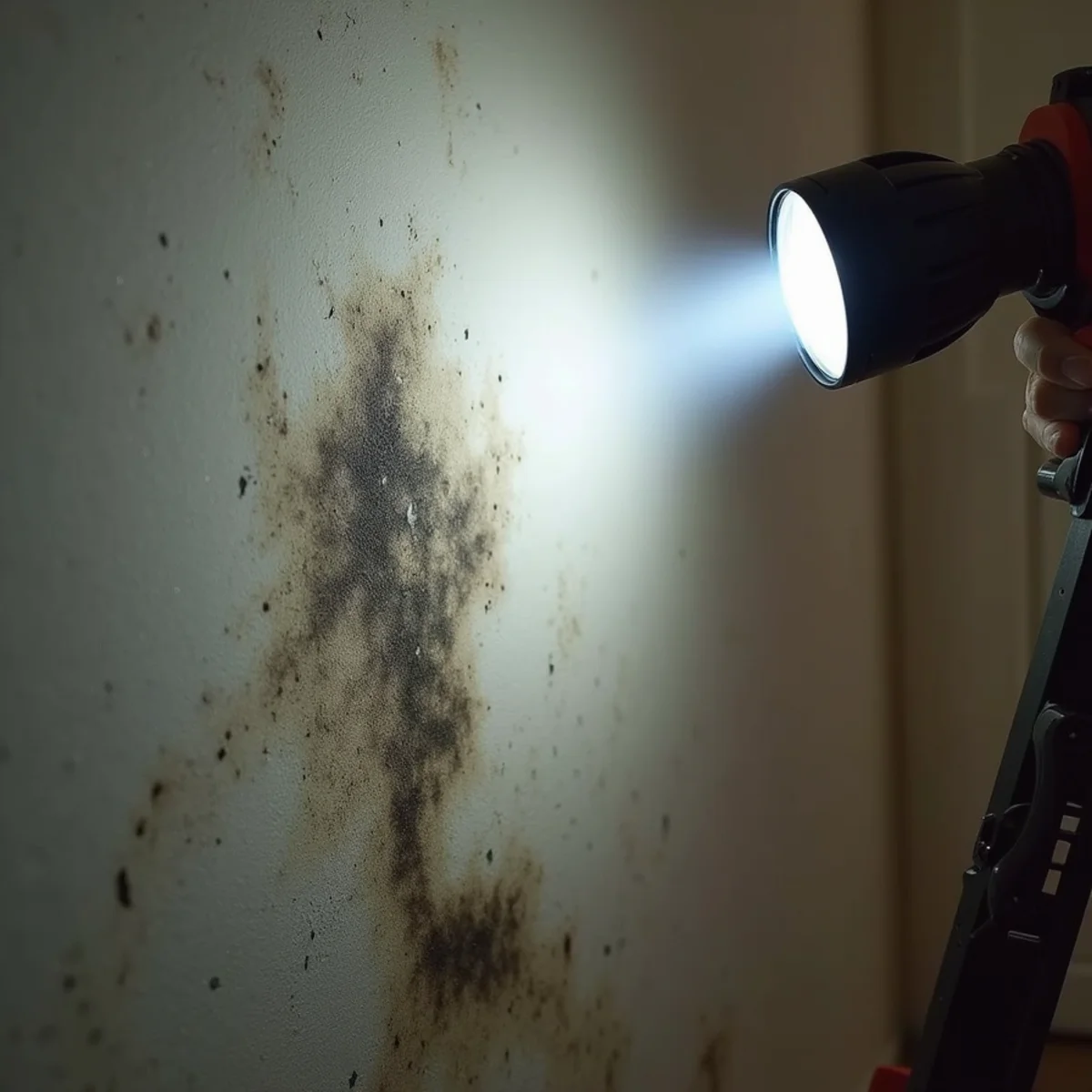
- Gradual leaks that went unaddressed over weeks or months
- Damage from lack of maintenance, like a known roof issue left unrepaired
- Sewer or drain backups, unless you've added a specific endorsement for it
- Earth movement, including damage tied to shifting or expansive soil, even if it eventually causes a pipe to fail
Flooding from an outside water source is typically excluded from homeowners policies entirely and requires separate flood insurance — that distinction trips up a lot of homeowners after a storm.
Where the Line Gets Blurry
A slab leak is a good example of where coverage gets complicated. The plumbing repair itself is often excluded, since pipes are considered a maintenance item, but the resulting water damage to flooring, drywall, and belongings may be covered, since that part is sudden and accidental. Sewer backups usually need a specific endorsement added to a standard policy — it's not automatic.
What to Do Before You Assume Either Way
- Pull your actual policy, not just the declarations page, and look for the water damage and exclusions sections.
- Call your agent or insurer and describe the specific cause of the damage, not just the result.
- Ask directly whether sewer backup and service line coverage are included or need to be added.
- Get an itemized restoration estimate before your claim conversation, since it gives the adjuster something concrete to evaluate.
Getting Documentation That Supports Your Claim
Whether or not coverage is clear-cut, thorough documentation and a professional assessment strengthen any claim. Water Damage Lakewood works directly with insurance adjusters across Norwalk and the surrounding area and provides the kind of detailed, photographed assessment that supports a claim either way. Call +1 (201) 277-9344, available 24/7.
Adjusters Split Every Claim Into "Sudden" or "Gradual"
Most California policies cover damage that is sudden and accidental. They exclude damage that built up slowly from neglect. A pipe that bursts today is sudden. A pipe that dripped behind a cabinet for eight months is gradual, and gradual is where claims get denied.
The catch is that the water often looks the same either way. What decides the outcome is evidence. Dated photos, a plumber's cause-of-loss note, and a clear timeline can move a borderline claim into the covered column. On Lakewood's 70-plus-year galvanized lines, a slow pinhole leak can mimic gradual damage, so proving when it started matters.
- A plumber's written cause-of-loss report naming a failed part or fitting
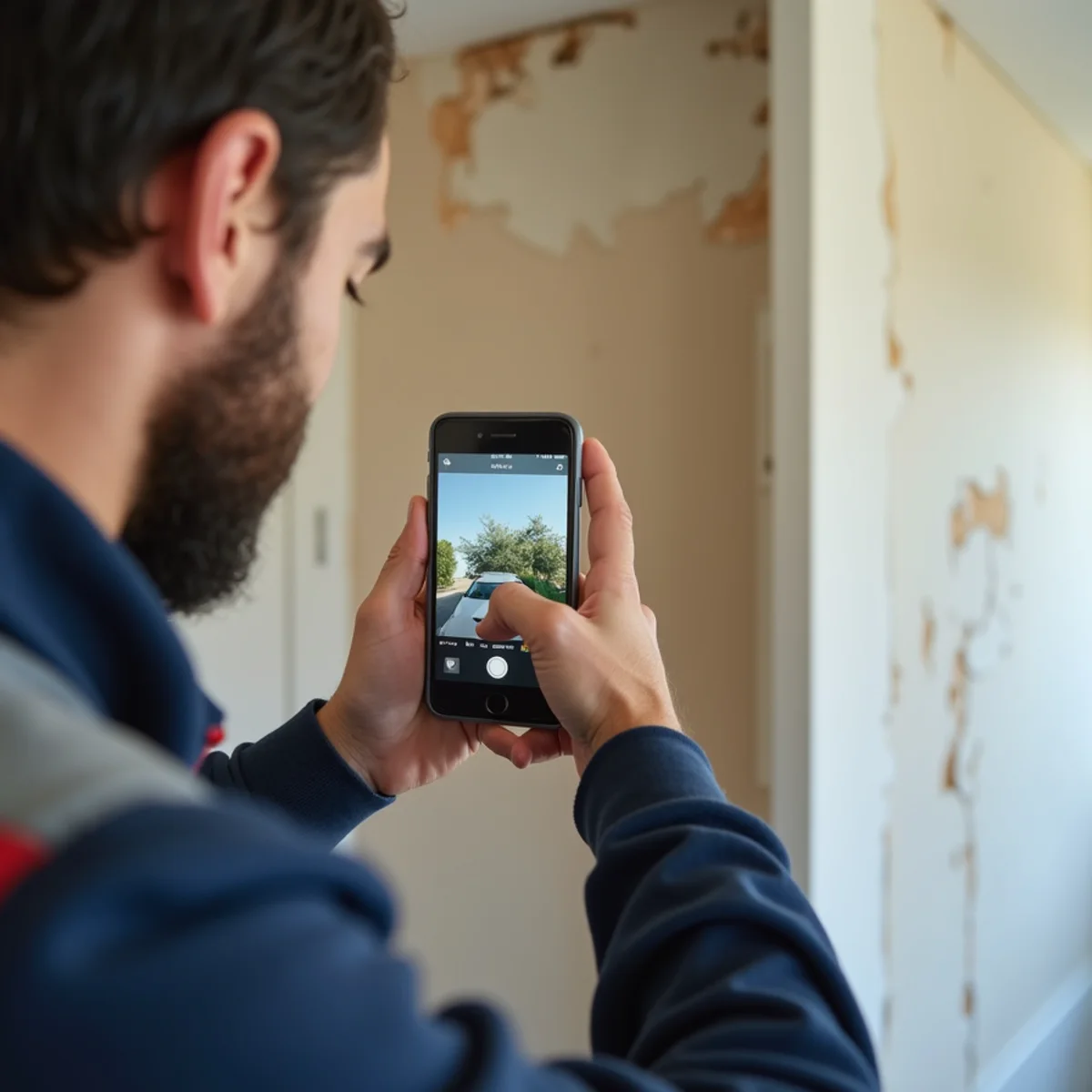
- Time-stamped photos and video from the day you found the damage
- The last date the area was dry or normal, if you can pin it down
- Your mitigation steps, such as shutting the water off, to show you acted fast
- Moisture readings from a restoration company documenting active, recent intrusion
Related help from our team
Frequently Asked Questions
Does homeowners insurance cover a burst pipe in California?
Generally yes, since a burst pipe is considered sudden and accidental. But always confirm with your specific policy, since terms and exclusions vary by insurer.
Is flood damage covered by homeowners insurance?
No, typically not. Flooding from outside the home is usually excluded from standard homeowners policies and requires a separate flood insurance policy.
Does insurance cover a slow leak that went unnoticed for months?
Usually not. Gradual, long-term leaks are often treated as a maintenance issue rather than a sudden, accidental loss, which is the standard most policies require for coverage.