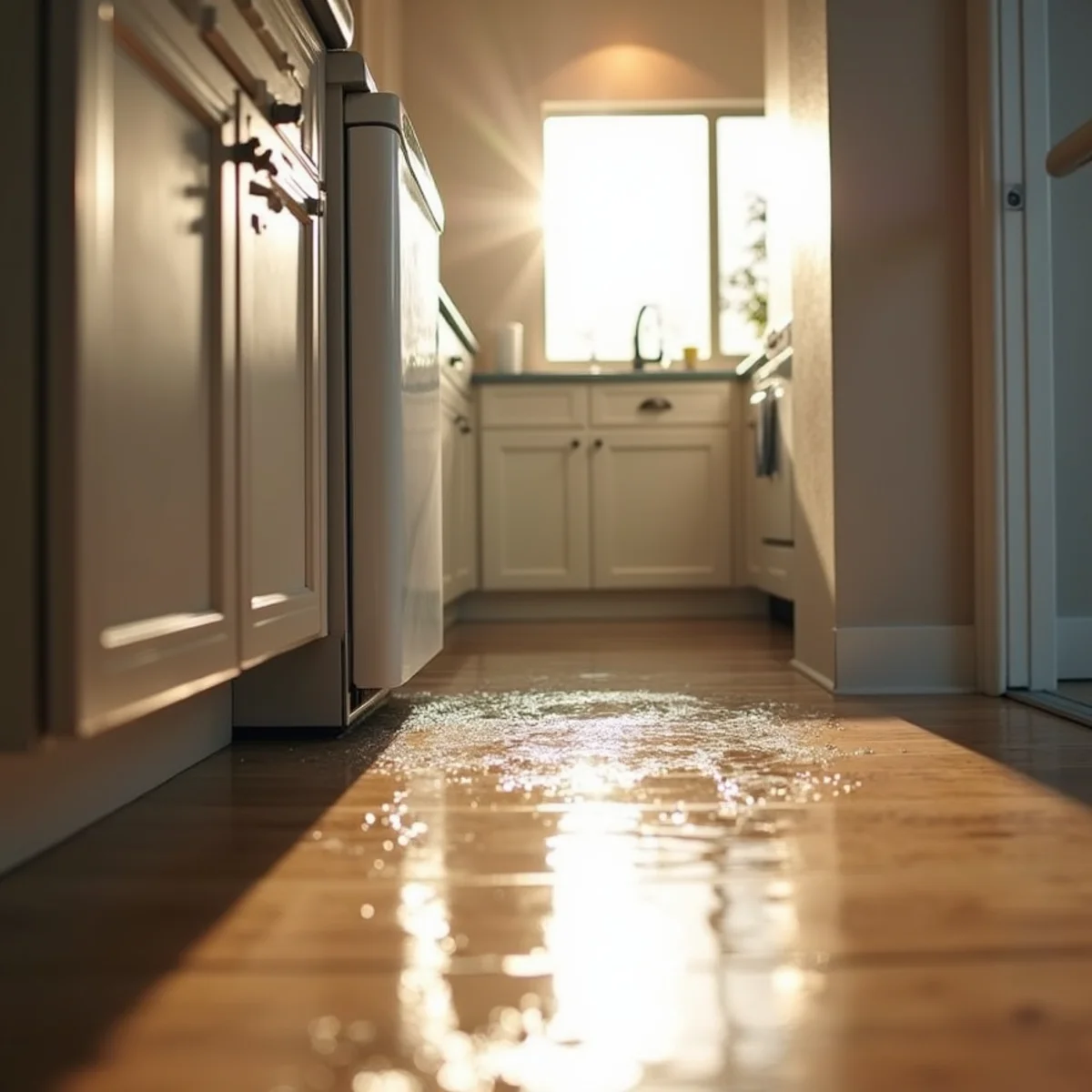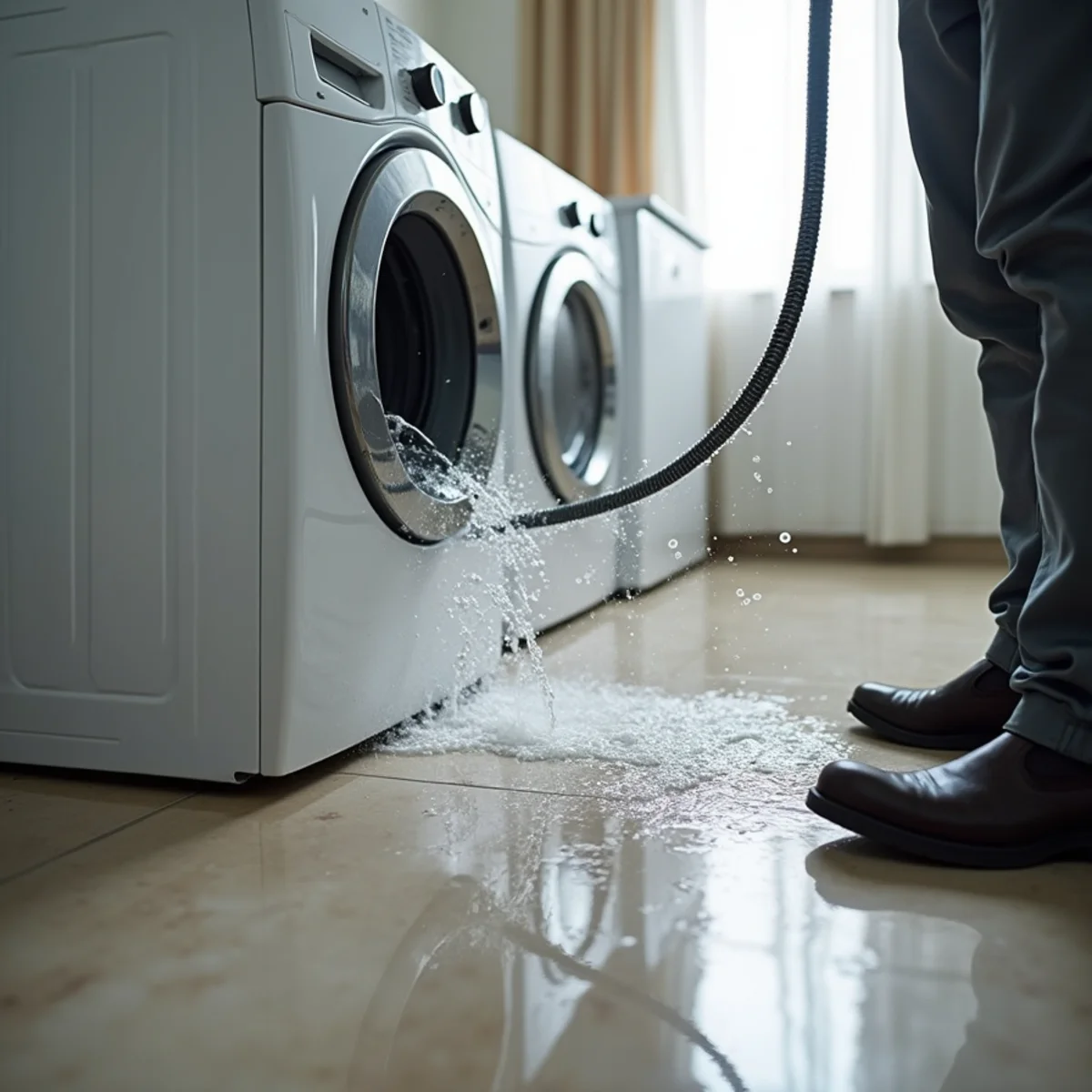
The single most useful thing you can do to limit water damage isn't a product or a service — it's knowing where your main water shutoff valve is before you ever need it. In a burst pipe or major appliance failure, every minute of running water adds to the damage, and fumbling to find the valve during an emergency costs exactly the minutes you don't have.
This applies to every home, but it matters more in older neighborhoods like Lakewood Gardens, where original plumbing has had 70-plus years to wear down. Here's how to find your valve, test it, and use it correctly.
Where to Look First
- Near the water meter, typically in a concrete box near the curb or property line
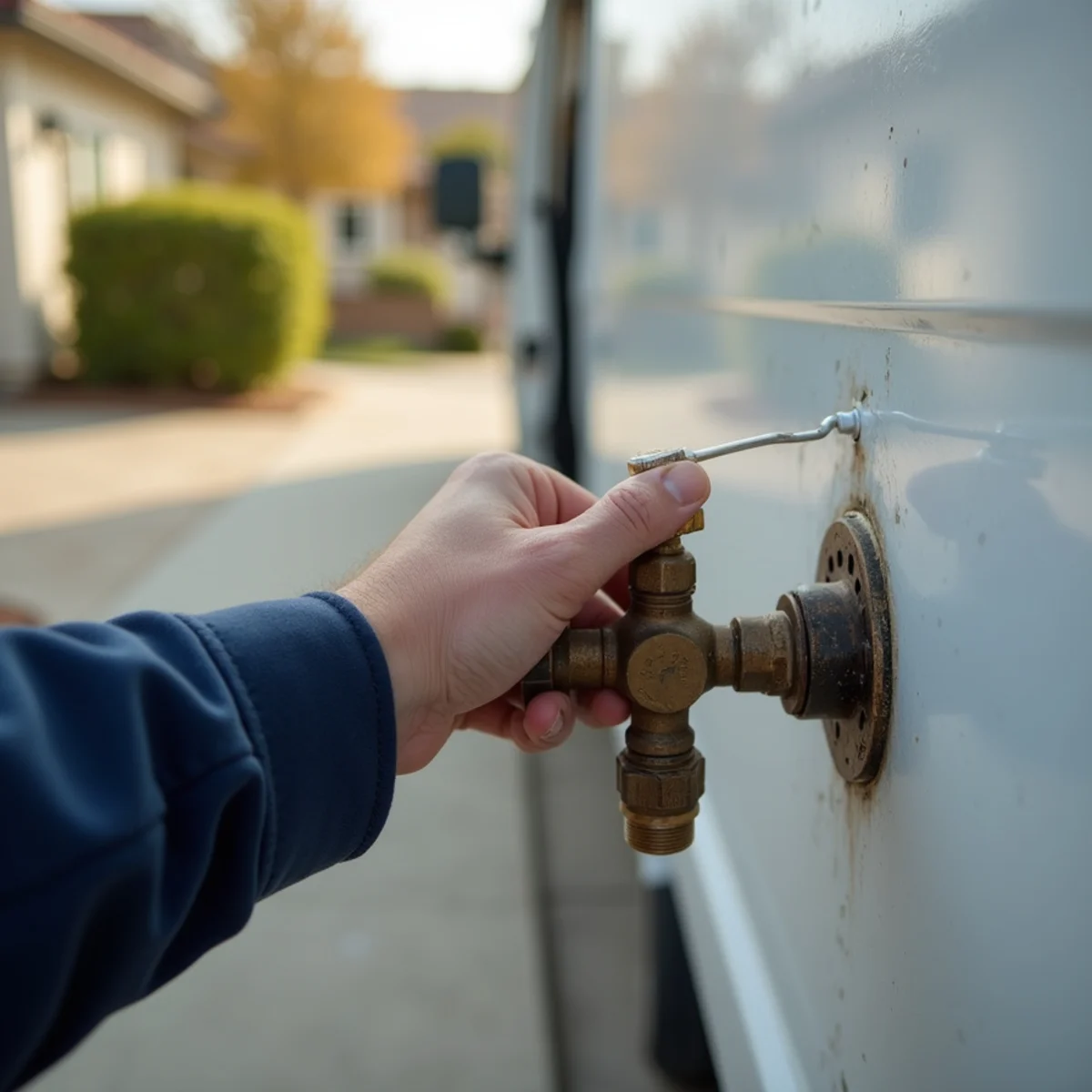
- Along the exterior wall of the house facing the street, often inside a small box or behind a hose bibb
- In the garage, near where the main water line enters the house
- In a utility closet or under the kitchen sink in some newer or renovated homes
Two Types of Valves, Two Ways to Turn Them
A gate valve looks like a wheel and needs several full turns clockwise to close completely. A ball valve has a lever handle — a quarter turn, so the handle sits perpendicular to the pipe, shuts it off completely. If you're not sure which one you have, look at the handle shape before an emergency, not during one.
Gate valves can seize up if they haven't been turned in years. If yours feels stuck, don't force it hard enough to break the stem — call a plumber to service it before you need it in an emergency.
Test It Twice a Year
- Locate the valve and confirm you can reach it without obstruction.
- Turn it fully closed, then check a faucet inside the house to confirm water flow has stopped.
- Turn it back on slowly, and check for any new leaks at the valve itself, which can happen with old, brittle fittings.
- Make a note of the location — a photo on your phone works — and share it with anyone else living in the house.
Why This Matters More in Lakewood Gardens
Many homes in this part of Lakewood still run on galvanized steel supply lines original to construction in the early 1950s. Galvanized pipe has a rated lifespan of roughly 40 to 50 years, which means the plumbing here is operating 20 to 30 years past what it was built to handle. That doesn't mean a failure is imminent, but it does mean the odds of a pipe failing without warning are higher than in a home with newer copper or PEX piping.
If the Valve Won't Shut Off the Water
Occasionally a main valve fails to fully stop the flow — usually a sign of internal wear. If that happens during an active leak, your local municipal water provider can shut off service at the street. Keep that number saved alongside your plumber's and ours.
After You've Shut It Off
Shutting off the water stops the source, but it doesn't undo the water that's already on your floors. If you've had to use your main valve because of a leak or burst pipe, call Water Damage Lakewood at +1 (201) 277-9344 for emergency water removal. We serve Lakewood Gardens and the surrounding area 24/7 and can typically be on-site within about 60 minutes.
Know which valve you have before you need it
There are two common main shutoffs, and they behave differently under stress. A gate valve is the older round-handle type; you turn it many times to close it. A ball valve is the newer lever type; a quarter turn shuts it. Older Lakewood homes usually have the gate valve, and those seize up if they sit untouched for years, which is exactly the day you need them.
Exercise the valve once a year. Turn it fully closed, then back open, so the internals do not freeze in place. If it will not budge or it weeps when you move it, that is a sign to replace it before an emergency, not during one. Your backup is the street meter shutoff at the curb, which usually needs a meter key to turn the valve beside the meter itself.
- Gate valve: round handle, many turns to close
- Ball valve: lever handle, a quarter turn to close
- Older Lakewood homes often have seize-prone gate valves
- Turn the valve open and shut once a year to keep it free
- The curb meter shutoff is your backup — keep a meter key handy
Related help from our team
Frequently Asked Questions
Where is the main water shutoff usually located?
Most commonly near the water meter at the curb, along an exterior wall facing the street, or in the garage where the main line enters the house. Location varies by when and how the home was built.
How do I know if I have a gate valve or a ball valve?
A gate valve has a round wheel handle and takes several turns to close. A ball valve has a lever handle and closes with a single quarter turn. Check yours now so you're not guessing during an emergency.
What if my main valve is stuck or won't turn?
Don't force it — a seized valve can snap. Call a plumber to service or replace it proactively, rather than discovering it's stuck in the middle of an active leak.