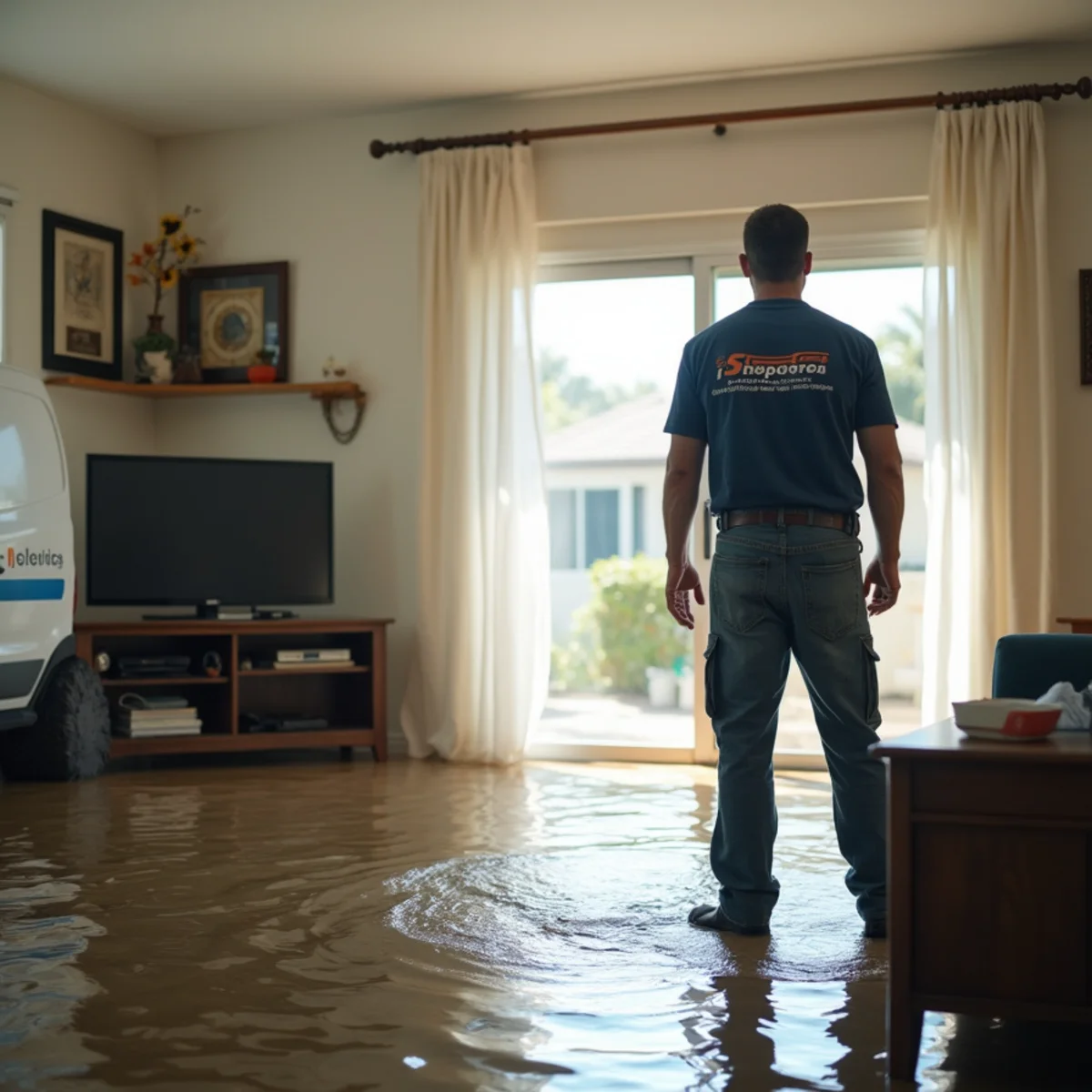
Not every flooded house needs to be evacuated, but some do, and the difference isn't always obvious in the moment. The decision comes down to three things: what's in the water, how deep it is, and what electrical systems it's touching.
If you're standing in your living room looking at rising water in Carson Park-Briarcrest or anywhere else in Lakewood, here's how to think through whether to stay or go.
Check the Water Source First
Clean water from a burst supply line — what restoration crews call Category 1 — is far less risky to be around than water from a sewer backup or outside floodwater, called Category 3, or black water. Black water carries bacteria, chemicals, and other contaminants and poses a real health risk, especially for children, pets, and anyone with a compromised immune system or open wound.
- Category 1 (clean): supply line breaks, water heater tanks, rainwater from a roof leak
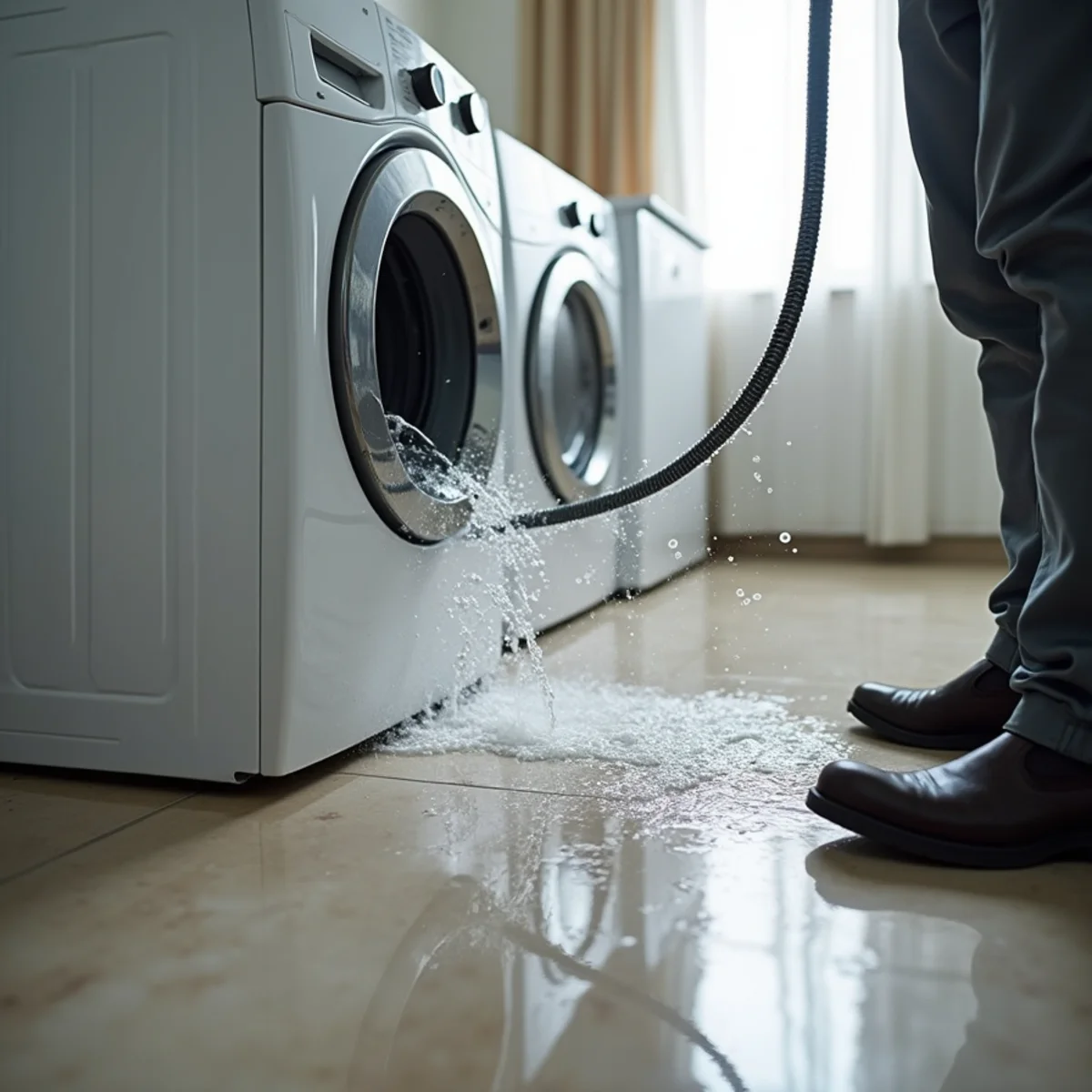
- Category 2 (gray): washing machines, dishwashers, water that's sat for a day or two and started degrading
- Category 3 (black): sewage backups, storm floodwater, water from outside the home
Electrical Risk Overrides Everything Else
If water is anywhere near outlets, power strips, or an electrical panel, that's the deciding factor regardless of how clean the water looks. Don't walk through standing water to reach a breaker panel. If you can't confirm power is off in the flooded area, treat the whole space as off-limits and leave until it's shut off from a dry, safe location — or by your utility company.
When in doubt about electrical safety, leave the house and call your utility provider or the fire department's non-emergency line before going back in.
Depth and Duration Matter Too
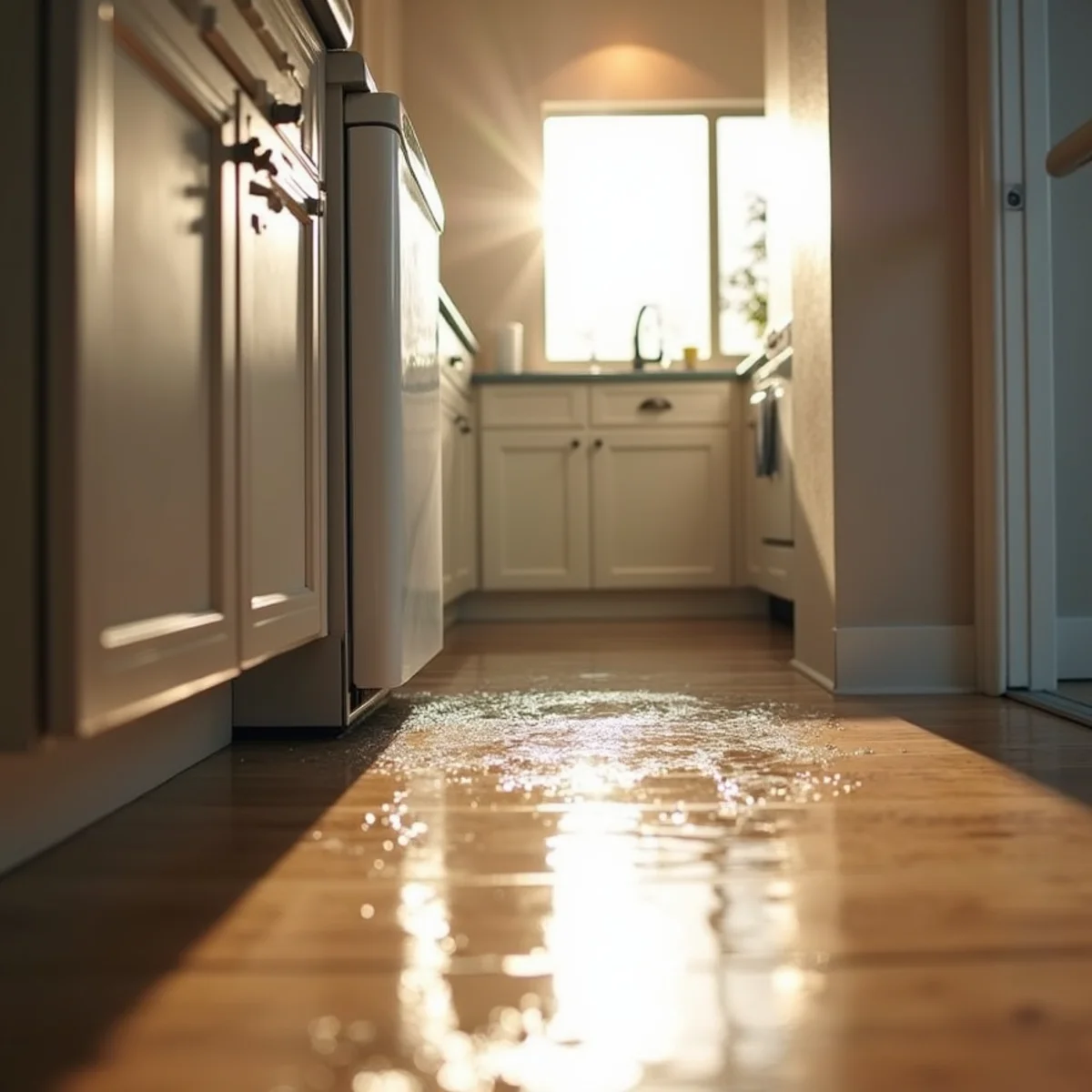
An inch of water on a hard floor is a nuisance. Several inches, especially rising water, is a different situation — it can undermine flooring, compromise electrical outlets at baseboard level, and make footing unstable, particularly for kids or older adults. The longer water sits, the more it saturates walls and subfloor, which is where the real structural cost comes from.
Signs You Should Leave the House
- Water is rising, not just sitting
- You smell sewage or a strong chemical odor
- Power is on in a room with standing water and you can't safely shut it off
- Water has reached electrical outlets or a gas appliance
- Anyone in the home has respiratory issues, is very young, or is elderly
When It's Safe to Stay, But Still Needs Help
A small, clean-water flood with power confirmed off in the area is usually fine to stay near while you wait for help, as long as you're not walking through it unnecessarily. Even then, standing water left untreated starts risking mold growth within 24 to 48 hours, so "safe to stay" doesn't mean "safe to ignore."
Call for Flood Cleanup Once You're Safe
Whether you've stayed or stepped out, get a professional assessment as soon as the immediate risk is handled. Our flood cleanup team serves Carson Park-Briarcrest and the rest of Lakewood 24/7, with on-site arrival typically within about 60 minutes. Call Water Damage Lakewood at +1 (201) 277-9344.
The two hazards that decide whether you leave
Two things make standing water dangerous, and both can be invisible. The first is electricity. Water on a floor can reach an outlet, a power strip, or a submerged appliance and make the whole area live. The second is contamination. Water that came up through a drain or crossed a garage floor is not clean, even when it looks clear.
If you can reach the main breaker without stepping into or near the water, cut power to the affected rooms first. If the panel itself is wet, or you would have to wade to reach it, do not touch it. Stay out and call the utility or an electrician. When the source is a sewer line or storm runoff, treat the water as a health risk and keep kids and pets clear.
- Never enter water near outlets, cords, or a running appliance
- Kill power only from a dry spot you can reach safely
- Wet electrical panel means wait for a pro, no exceptions
- Sewer or storm water is contaminated, not just dirty
- When in doubt, leave and make the call from outside
Related help from our team
Frequently Asked Questions
Is it safe to walk through standing floodwater in my house?
Only if you're confident it's clean water and power to that area is off. If there's any chance of sewage contamination or live electrical current, stay out and call for help.
How can I tell if floodwater is contaminated?
Sewage smell, murky or dark color, or a source from outside the home or a drain backup are all signs of contamination — what's classified as Category 3, black water. Clean supply line water is usually clear and odorless.
When should I evacuate instead of waiting for help?
Leave if water is actively rising, if you smell sewage or chemicals, if you can't confirm power is off near the water, or if anyone in the home is especially vulnerable to health risk from contaminated water.