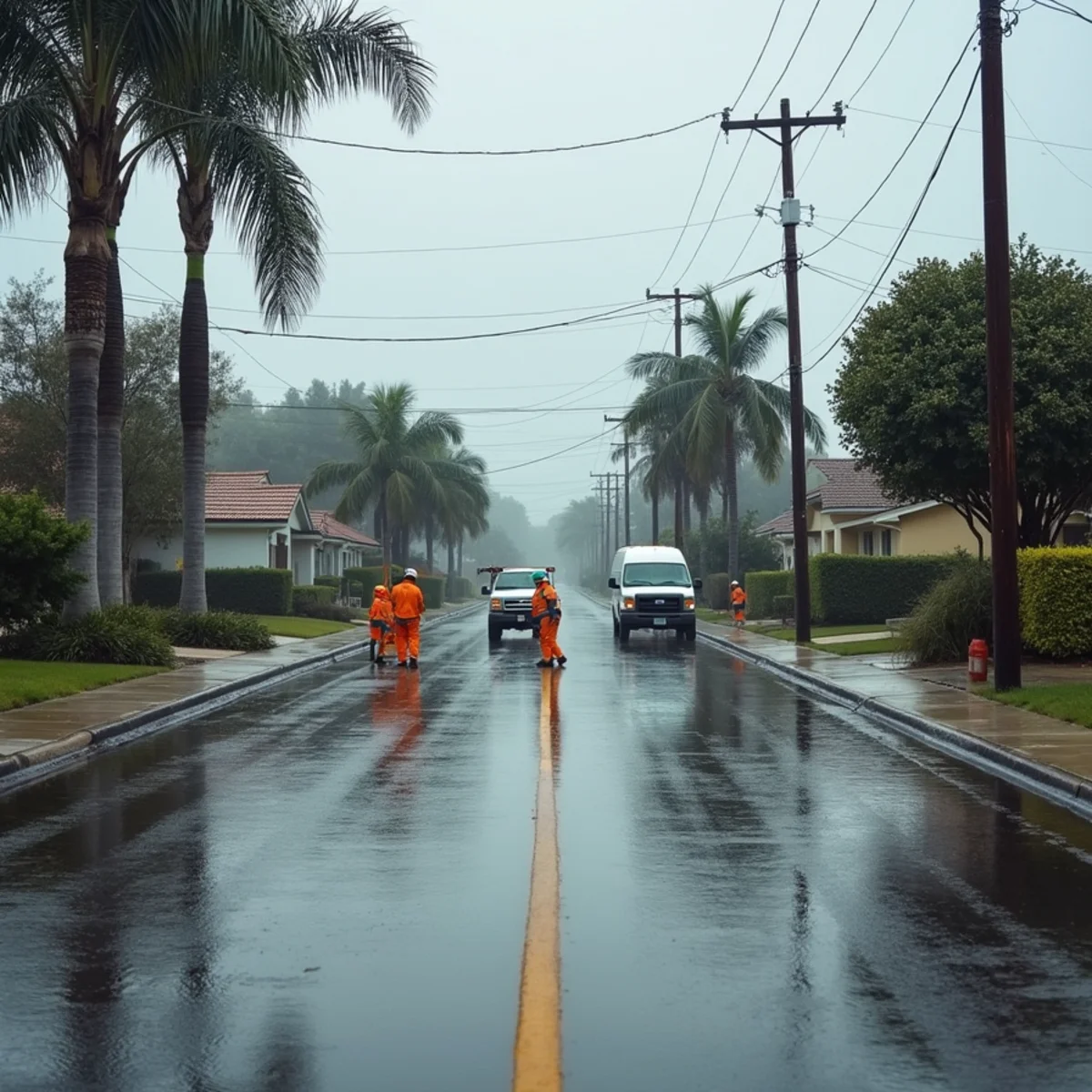
The winter of 2022 into 2023 gave Southern California an unusually concentrated stretch of storms — roughly 10 atmospheric river events moving through the state in about three weeks, contributing to statewide rainfall records and widespread urban flooding across Los Angeles County.
An atmospheric river is a long, narrow band of concentrated moisture in the atmosphere, sometimes described as a river in the sky, capable of dropping far more rain in a shorter window than a typical winter storm. When several arrive back to back, as they did that winter, the ground and drainage systems don't get time to recover between events.
For homeowners across the Gateway Cities and greater LA County, that stretch was a real-world stress test of urban infrastructure — and it exposed weak points that hadn't shown up in more ordinary rain years.
What made that three-week stretch different
A normal Southern California winter might bring several separate storm systems spread across months, giving soil time to absorb moisture and storm drains time to clear between events. The 2022–2023 sequence compressed roughly ten distinct atmospheric river storms into about three weeks, one of the most concentrated rainfall stretches on record statewide.
That compression matters more than the total rainfall figure by itself. Soil that's already saturated from the previous storm can't absorb much from the next one — water that would normally soak in instead runs off immediately, straight into streets and storm drains that are still working through the last event's volume.
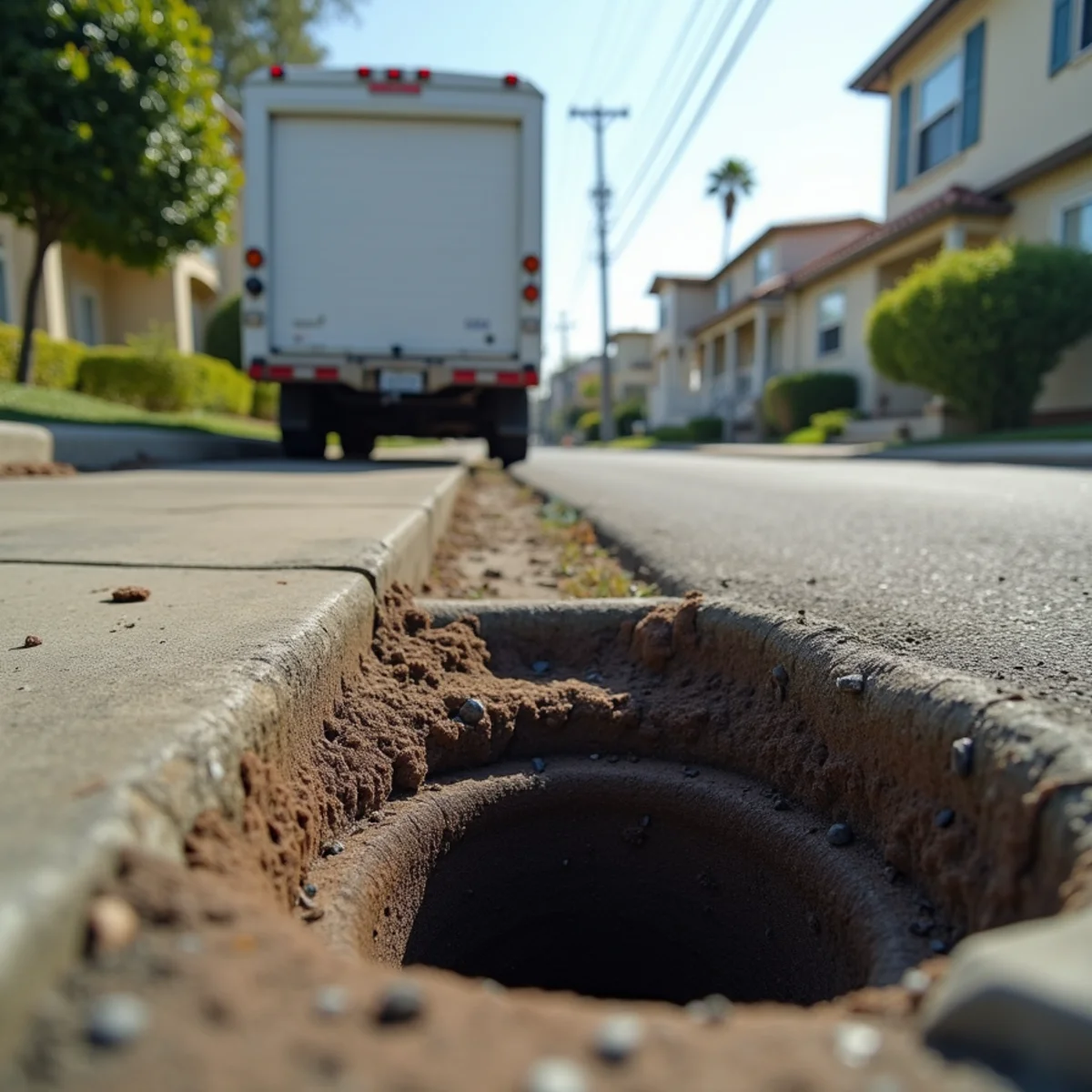
Urban and suburban areas across LA County, including flat, densely built cities like Lakewood, felt this compounding effect directly. Storm drains designed for isolated rain events, not consecutive saturating storms, backed up and overflowed in multiple locations across the region.
Why aging infrastructure struggled specifically
Much of LA County's storm and sewer infrastructure was built decades ago, sized to the rainfall patterns and construction standards of its era. In cities like Lakewood, developed almost entirely between 1950 and 1953, storm drains have been in continuous service for roughly seven decades.
Infrastructure of that age wasn't engineered around today's storm intensity data. Concrete and clay pipe degrade over time, joints shift, and capacity that was adequate in 1953 doesn't automatically scale to a storm event dropping several inches of rain in a compressed multi-week span.
This is part of why atmospheric river events function as a kind of stress test for a city's infrastructure age. A storm drain system that handles routine winter rain without issue can still be overwhelmed by a genuinely unusual sequence of storms — and the 2022–2023 season was, by the data, genuinely unusual.
What homeowners across LA County experienced
- Street flooding that lingered longer than a single storm would explain, as saturated ground and full storm drains slowed drainage between events
- Sewer backups in some homes, as sanitary and storm systems under strain pushed water back up through floor drains and low fixtures
- Roof and window leaks that only appeared after multiple consecutive soaking days, once materials that normally shed water reached saturation
- Slab and foundation moisture intrusion in homes with grading or drainage issues that hadn't caused problems in lighter rain years
If your home had any water intrusion during that 2022-2023 stretch, it's worth having the same areas checked before the next heavy winter — a problem that showed up under extreme conditions can resurface under more moderate ones too.
The bigger pattern behind the numbers
Climate researchers and flood-risk modelers point to trends like the 2022–2023 sequence as consistent with a broader shift: fewer but more intense rain events, rather than steadier, more evenly distributed rainfall. That shift is part of why flood-risk projections for LA County generally trend upward over the coming decades rather than staying flat.
For a specific example close to home, flood-risk modeling for Lakewood's original tract — sometimes called Old Lakewood City — currently estimates roughly 15% of properties facing meaningful flood risk today, projected to climb to about 17.6% by 2055 as storm patterns continue shifting. That's not a separate phenomenon from what the 2022-2023 atmospheric rivers demonstrated; it's the same underlying trend.
The practical takeaway isn't that every storm will be catastrophic. It's that concentrated, high-intensity storm sequences are becoming a more regular part of the region's weather pattern, and infrastructure built for an older rainfall model needs more margin — and more homeowner preparedness — to keep up.
If a storm event floods your home
- Prioritize safety first — avoid contact with standing water and don't enter flooded rooms until power to that area is confirmed off
- Document the damage with photos and video before moving anything, for insurance purposes
- Call a restoration crew experienced with storm and flood water specifically, since contaminated water requires different handling than a clean leak
- Begin extraction as soon as it's safe — standing water sitting for days significantly increases both structural damage and mold risk
- Ask about a moisture inspection even in rooms that look dry, since water can travel further under flooring and behind walls than it appears on the surface
Call for Storm Damage Cleanup Across LA County
Concentrated storm sequences like the 2022-2023 atmospheric rivers are becoming a more regular part of the region's weather, and aging infrastructure doesn't always keep up. Our storm damage cleanup team serves Los Angeles County 24/7, typically on-site within about 60 minutes to start extraction and drying before water spreads further. Call Water Damage Lakewood at +1 (201) 277-9344.
Related help from our team
Frequently Asked Questions
What exactly is an atmospheric river?
It's a long, concentrated band of water vapor in the atmosphere that can carry an enormous volume of moisture from the ocean onto land, releasing it as rain (or snow at elevation) when it makes landfall. A strong atmospheric river can drop several inches of rain over a short period — meteorologists sometimes describe the strongest ones as carrying more water than the flow of the Mississippi River. Several arriving in close succession, as happened in the 2022-2023 winter, compounds the flooding risk because the ground and drainage systems don't get time to recover between storms.
Are atmospheric rivers becoming more common in Southern California?
Climate researchers generally project that while total annual rainfall may not increase dramatically, the pattern is shifting toward fewer, more intense storm events rather than evenly distributed rain — which increases the practical flood risk even without a large change in yearly totals. That trend is reflected in rising long-term flood-risk projections for many LA County communities.
My house didn't flood in 2022-2023 — does that mean I'm not at risk?
Not necessarily. That stretch was unusually intense, but it wasn't a worst-case scenario for every property, and drainage conditions, yard grading, or storm drain capacity near your home can change over time. It's still worth doing a basic seasonal check — clear gutters, confirm grading slopes away from the foundation, and know your water shut-off location — heading into each rainy season regardless of past outcomes.