Lakewood is famous in California municipal history for something most residents rarely think about day to day: how the city delivers services. Rather than building out large city departments for everything, Lakewood pioneered what's known as the Lakewood Plan — contracting Los Angeles County to provide services like sewer maintenance, fire protection, and library operations.
It was an efficient model when the city incorporated in the early 1950s, and it's still in use today. But it also means Lakewood's sewer infrastructure has aged inside a county-run system for over seven decades, alongside pipe and drain networks across dozens of other contracting cities.
For a homeowner dealing with a slow drain, a sewage smell, or an outright backup, understanding this arrangement helps explain why the fix isn't always as simple as "call the city."
What the Lakewood Plan actually is
When Lakewood incorporated as a city in 1954, its leaders faced a choice familiar to many fast-growing postwar suburbs: build out full municipal departments from scratch, or contract with Los Angeles County for services the county already provided at scale. Lakewood chose the contract model, and it worked well enough that dozens of other California cities later adopted similar arrangements — which is why it's remembered as the Lakewood Plan.
Under this model, services including sewer maintenance run through county departments and county-managed infrastructure rather than a dedicated Lakewood public works division handling every pipe independently. It's generally efficient for a city of Lakewood's size — about 7 square miles — because it shares county resources and expertise rather than duplicating them.
The tradeoff shows up decades later, in infrastructure age. Sewer lines installed during Lakewood's original 1950–1953 build-out are now part of a county-contracted maintenance system managing aging pipe across a wide service area, not a locally dedicated program focused solely on one city's oldest lines.
Why sewer backups trend upward as infrastructure ages
Clay and cast-iron sewer laterals — the pipe segment connecting a home to the main line under the street — installed in the early 1950s are now well past 70 years old. Materials from that era were built to reasonable standards for their time, but no sewer pipe is designed to last indefinitely. Joints separate, pipe walls crack, and tree roots find their way into small gaps over decades.
Adobe clay soil, common across Lakewood, adds another layer of stress. The same soil expansion and contraction that cracks slabs also shifts and stresses buried sewer pipe, similarly to how it affects supply lines discussed elsewhere on this site. A sewer lateral that's already thinned by seven decades of use is more vulnerable to that soil movement than a newer pipe would be.
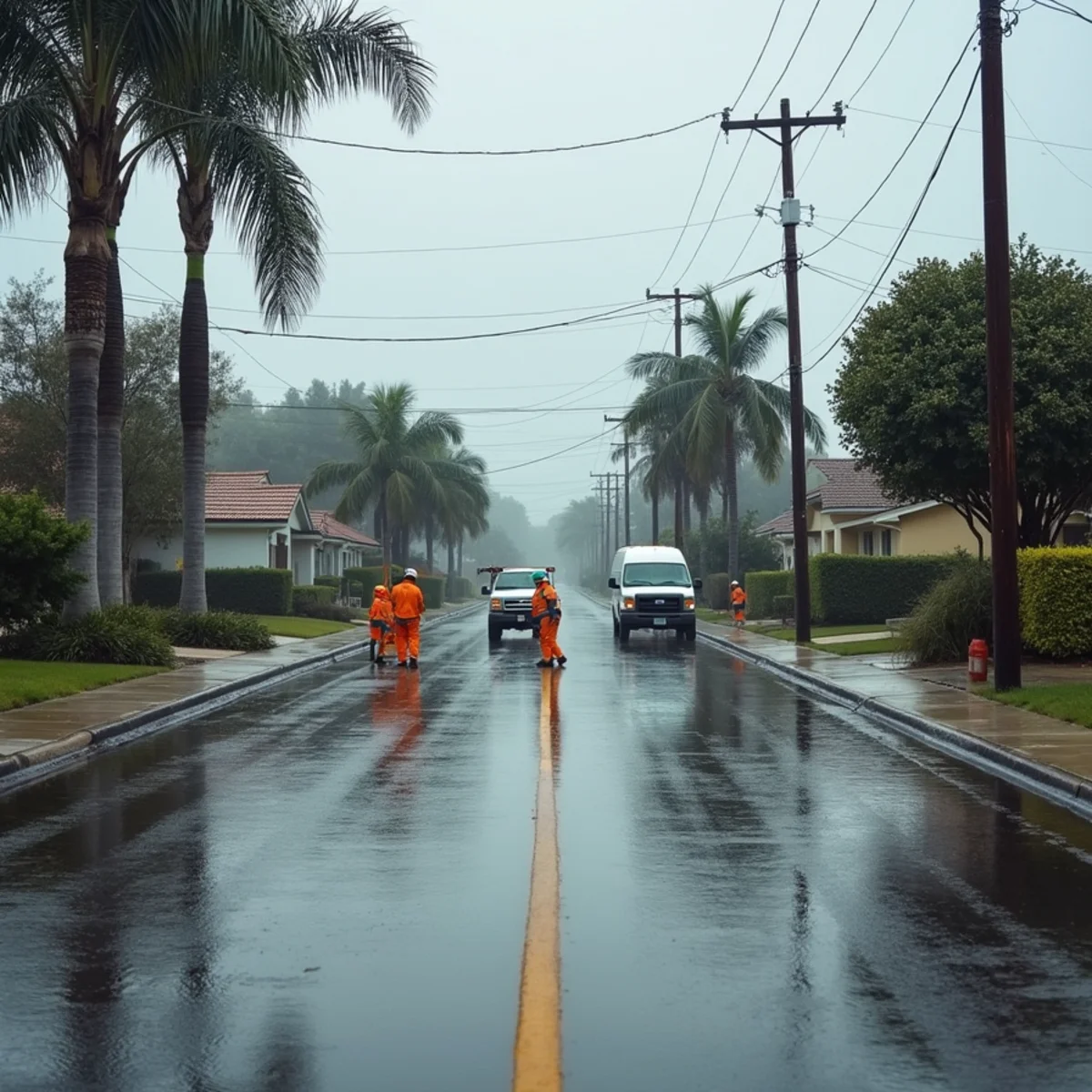
Combine aging pipe, reactive soil, and storm surges like the roughly 10 atmospheric river events that hit the region in three weeks during the 2022–2023 winter, and you get conditions where sewer systems back up under peak load even if they function fine on an ordinary day.
Signs of a developing sewer problem
- Slow drains in multiple fixtures at once (not just one sink), especially the lowest fixtures in the house like a tub or floor drain
- Gurgling sounds from drains when other fixtures are used, which can indicate a partial blockage further down the line
- A sewage odor in the yard, especially near where the lateral runs, or inside near floor drains
- Water backing up into a shower or tub when the toilet is flushed
- Unusually green or lush patches of lawn over the sewer line, which can indicate a slow leak feeding the grass
A backup that affects multiple fixtures simultaneously points toward the main lateral, not an isolated clog — that's usually a job for a plumber and, if water has already backed up into the home, a restoration crew together.
Whose responsibility is it — city, county, or homeowner?
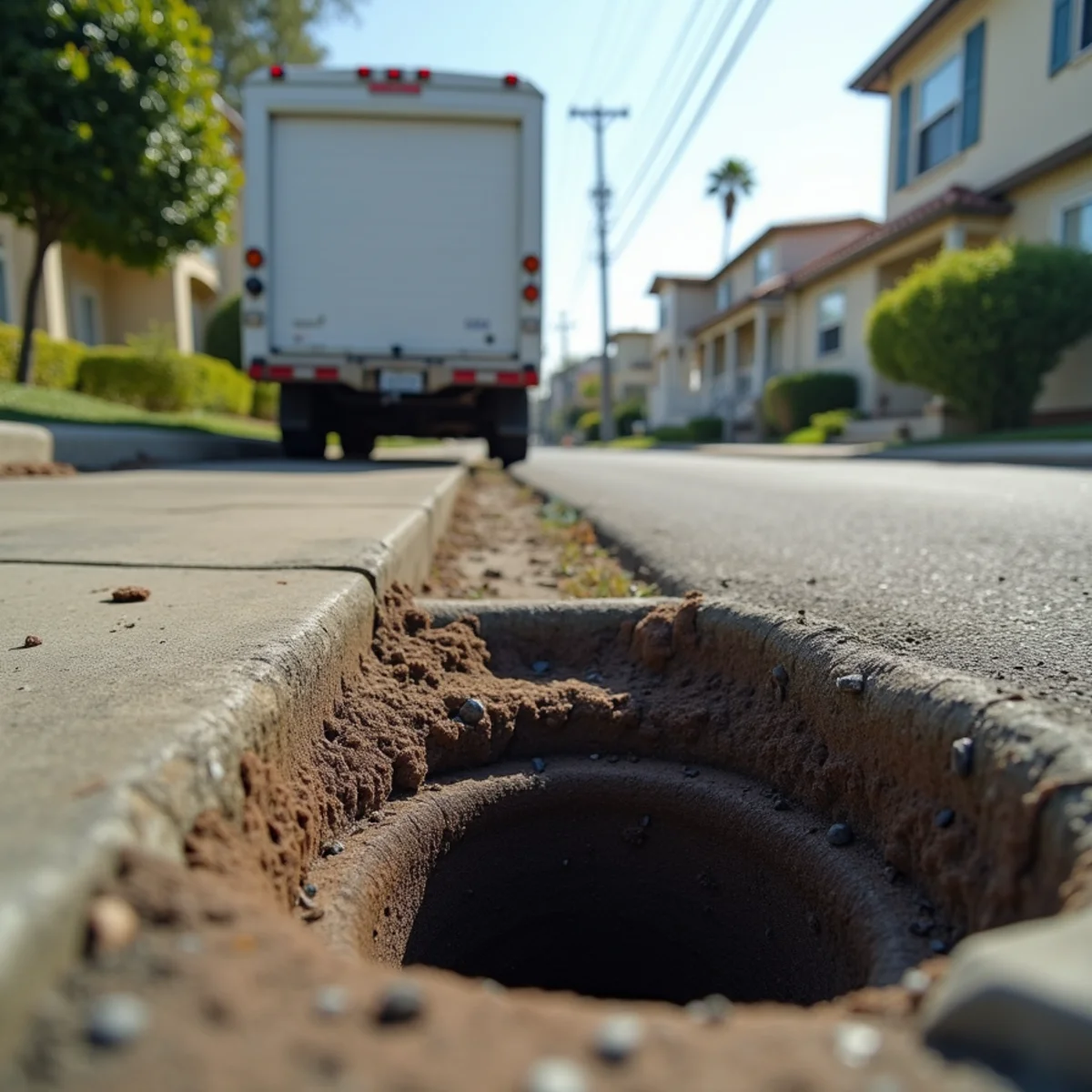
In most sewer systems, including Lakewood's, the property owner is generally responsible for the lateral line running from the house to the connection at the main sewer line under the street, while the county-maintained main line itself is a public responsibility. Exact boundaries can vary, so it's worth confirming directly with the county or a licensed plumber rather than assuming.
This split matters practically because a backup caused by a failure in your own lateral is typically a homeowner cost, while one caused by a blocked or failed county main may involve the county's maintenance program. Either way, if sewage water has entered your home, the cleanup itself doesn't wait on that determination — a Category 3 sewage backup needs prompt, specialized remediation regardless of whose pipe ultimately failed.
What to do if sewage backs up into your home
- Stop using all water in the house immediately — more water going down drains adds pressure to a system that's already backing up
- Keep people and pets away from the affected area; sewage water is Category 3 (black water) and carries real health risk
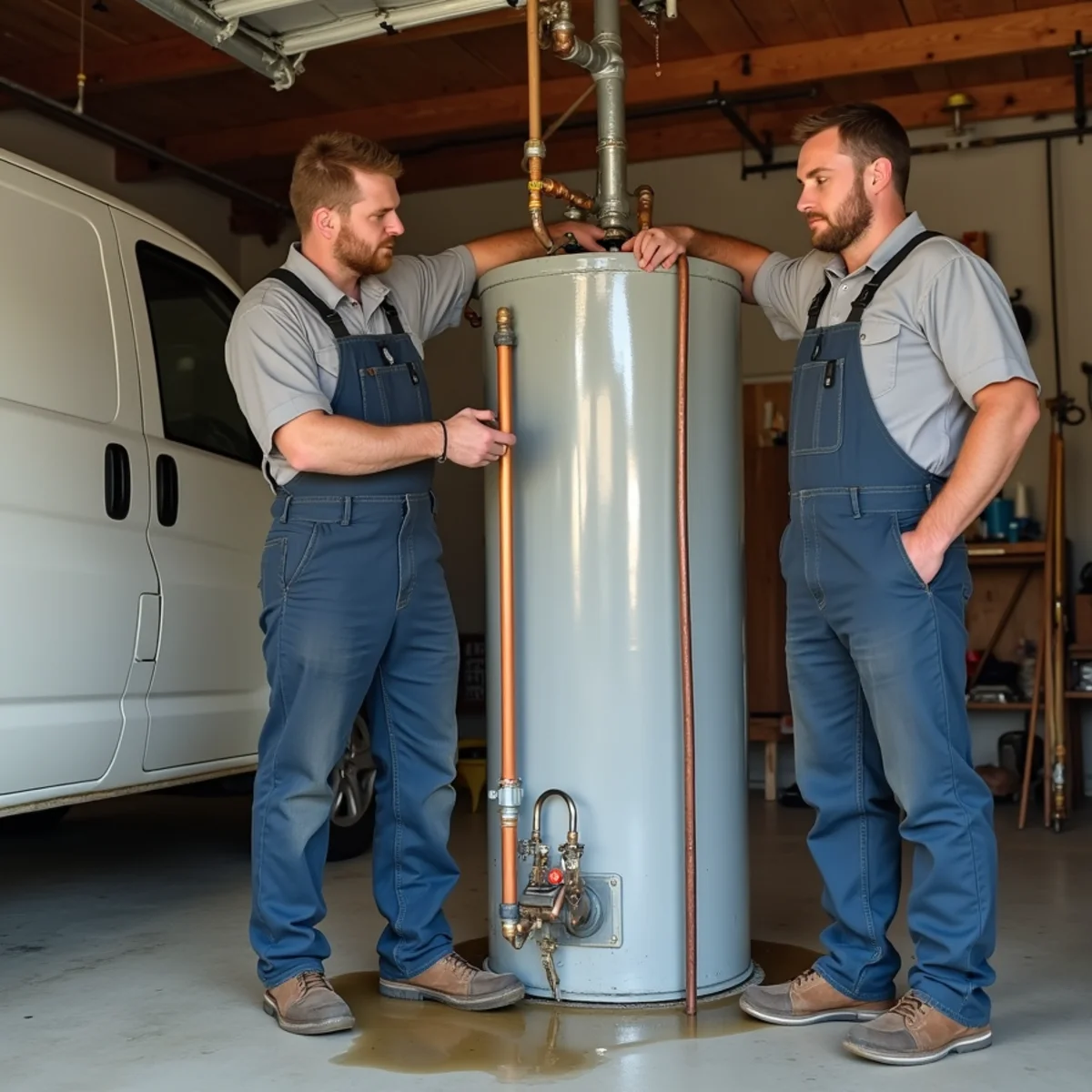
- Call a plumber to assess and clear the blockage or line failure
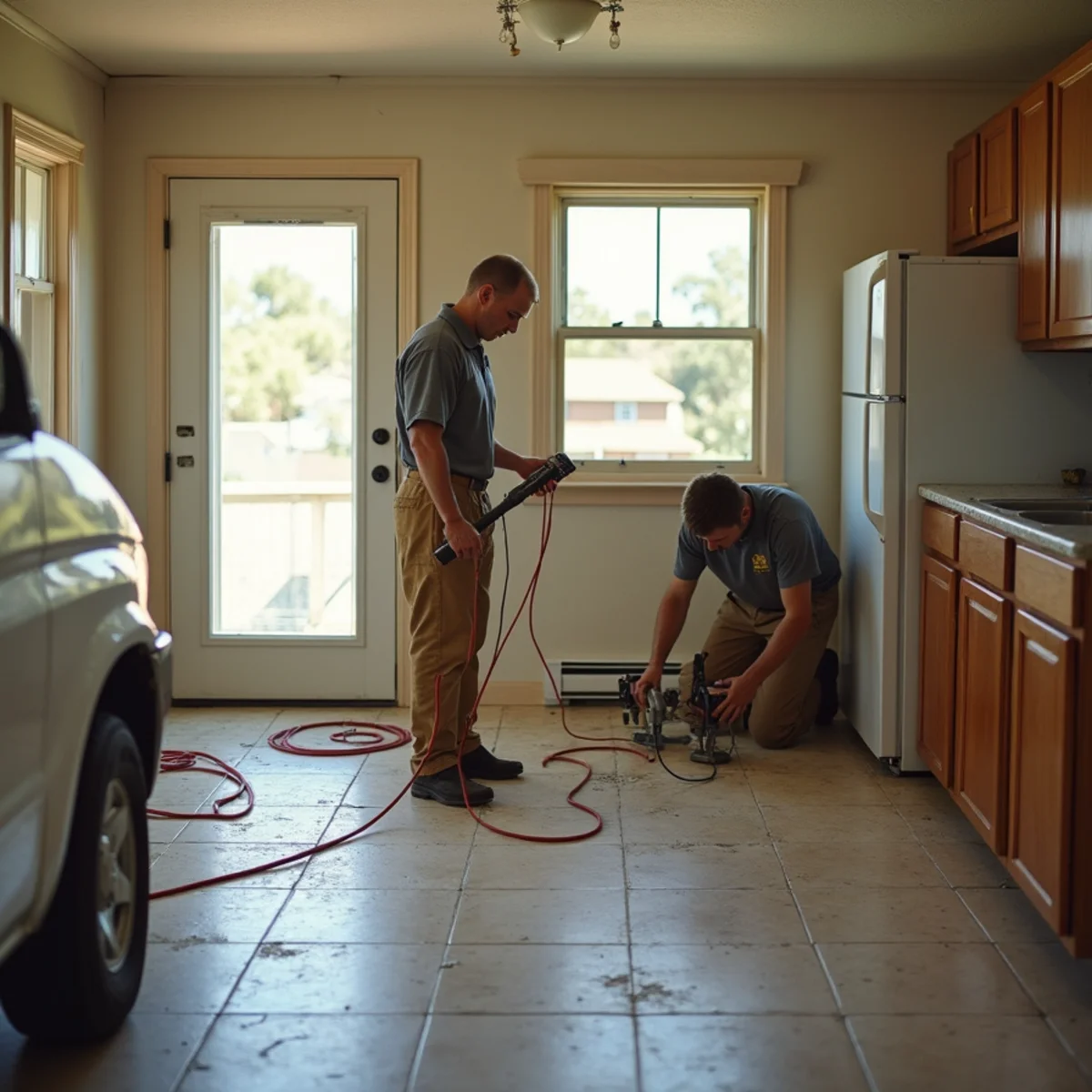
- Call a restoration company for extraction, disinfection, and drying — sewage cleanup requires different protocols than clean water, including removal of porous materials that contacted contaminated water
- Document everything with photos before cleanup begins, for insurance purposes
Call for Sewage Cleanup Near Weingart-Lakewood Center
Whether the failure turns out to be your lateral or the county main, a Category 3 backup needs a fast, specialized response either way. Our sewage cleanup team serves Weingart-Lakewood Center and the rest of Lakewood 24/7, typically on-site within about 60 minutes to begin extraction and disinfection. Call Water Damage Lakewood at +1 (201) 277-9344.
Related help from our team
Frequently Asked Questions
Does the Lakewood Plan mean the city has no control over sewer maintenance?
No — the city sets the service agreement and can advocate for maintenance priorities, but day-to-day operation and much of the infrastructure itself is managed through the county under the contract arrangement. For specific questions about a main line issue near your property, contacting LA County Public Works directly, or asking the city to route the inquiry, is the most reliable path.
Is my sewer lateral my responsibility or the county's?
Generally, the lateral from your house to the street connection is the homeowner's responsibility, while the main line under the street is publicly maintained — but exact boundaries and any local variations are worth confirming with the county or a licensed plumber before assuming either way, especially before paying for a repair.
Does homeowners insurance cover sewage backup damage?
Standard homeowners policies frequently exclude sewer backup damage unless you've added a specific endorsement or rider for it. Check your own policy directly, since coverage varies significantly by carrier. We can document the damage thoroughly regardless of coverage status, which helps if you do end up filing a claim.