Lakewood was built fast. Around 17,500 homes went up between 1950 and 1953, almost all of them slab-on-grade — meaning the house sits directly on a concrete foundation poured over the ground, with plumbing running through or under that slab rather than under a raised floor.
That construction method was efficient for its time, but it left a specific, predictable vulnerability that's now catching up with a lot of Lakewood Village homeowners: the pipes inside that slab are old, and the ground underneath them isn't stable.
The Pipe Problem: Galvanized Steel, 70+ Years Old
Many of these tract homes were plumbed with galvanized steel pipe, standard for the era. Galvanized pipe corrodes from the inside over time, and at 70-plus years old, a large share of Lakewood's original plumbing is well past the point where corrosion becomes a real leak risk.
Corrosion doesn't happen evenly. A pipe can look fine on the outside while thinning from rust on the inside, which is part of why a slab leak often shows up with no warning.
The Soil Problem: Adobe and Clay
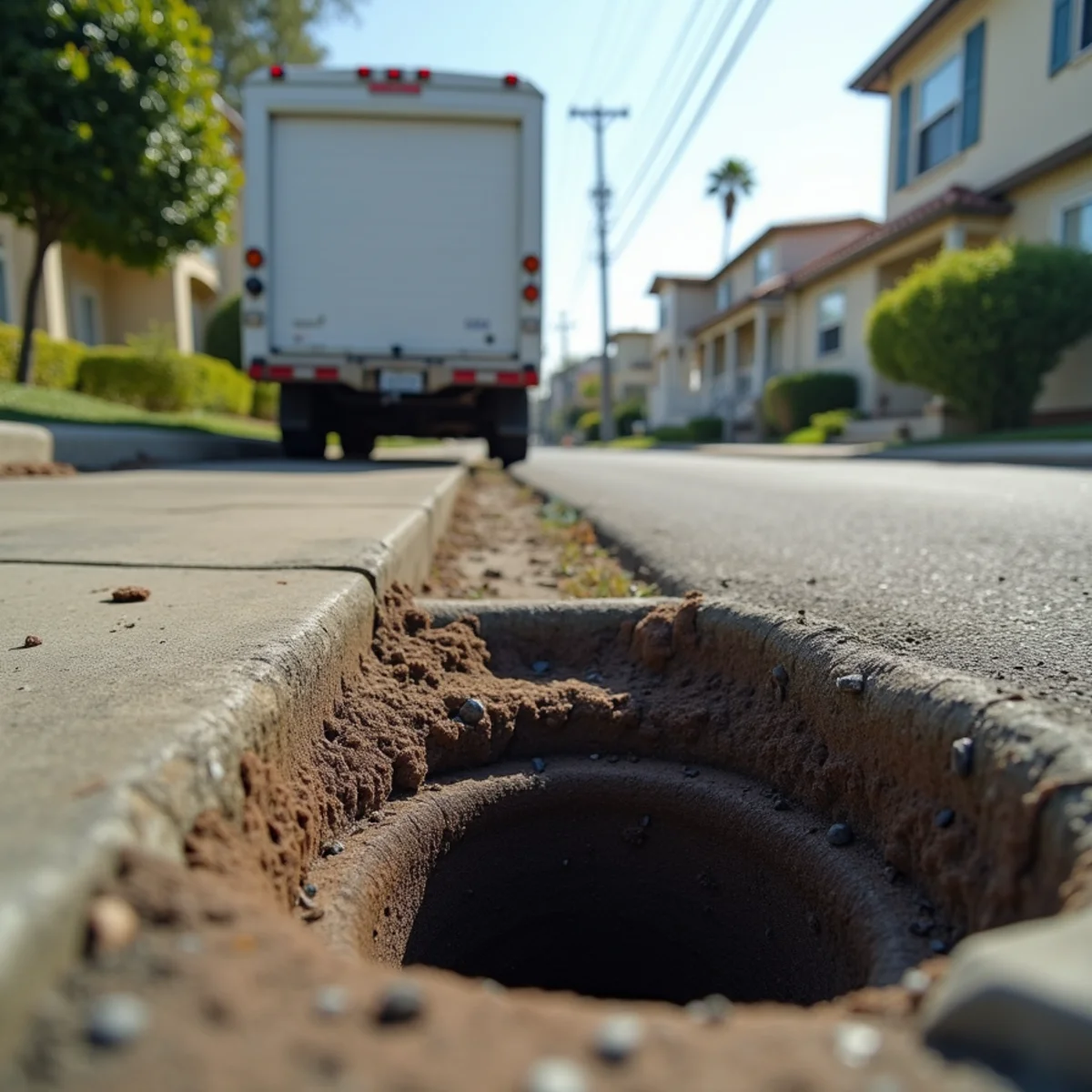
Underneath a lot of Lakewood sits adobe and clay soil, which expands when it absorbs water and contracts as it dries out. That movement puts stress on a rigid concrete slab and the pipes running through it — pipes that weren't designed to flex.
Over decades, that repeated expansion and contraction can stress joints and weak points in aging pipe, adding a second cause of failure on top of ordinary corrosion.
The Weather Problem: Wet Winters, Dry Summers
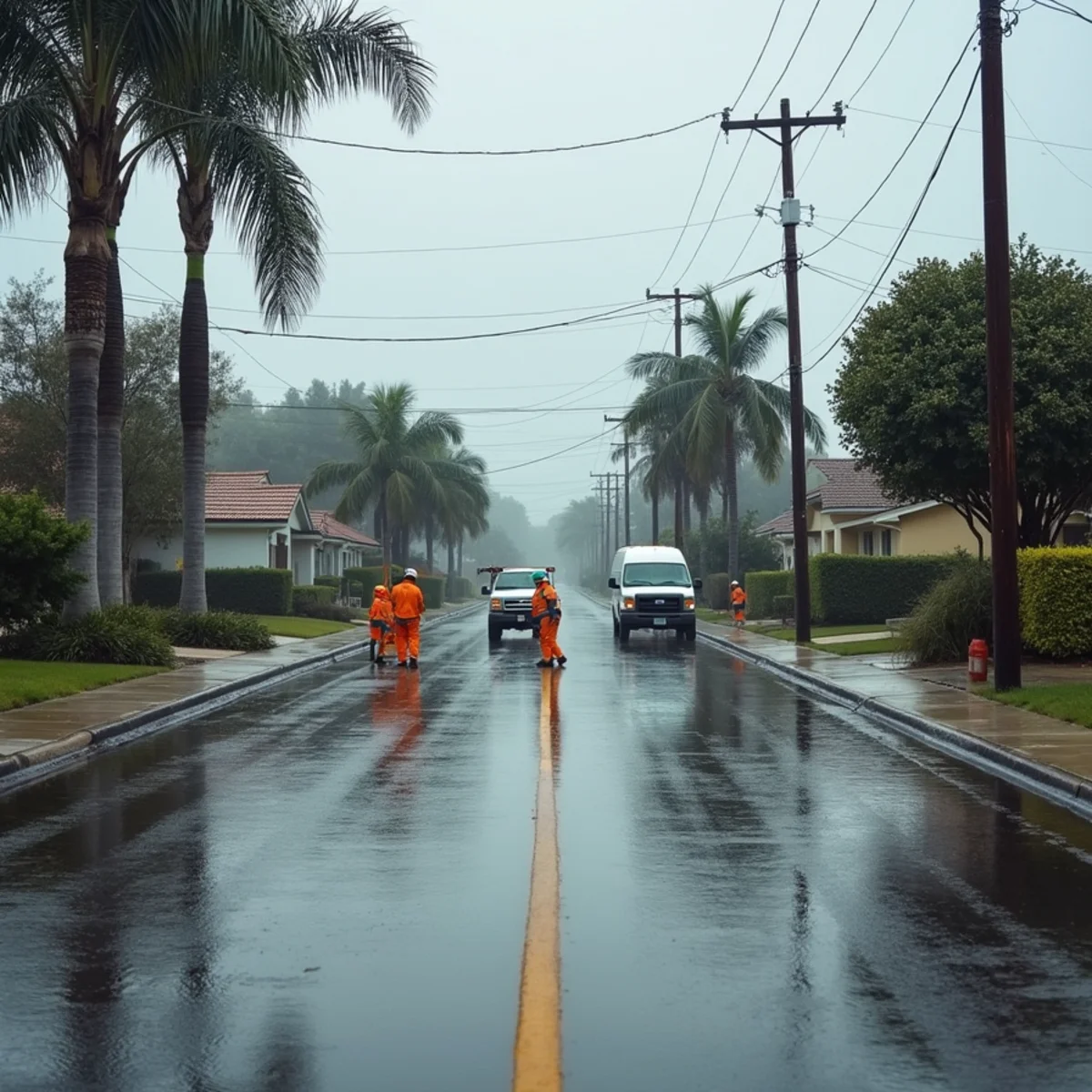
Southern California's winter atmospheric river storms saturate the ground, and Santa Ana wind events dry it out fast in the other direction. That swing between very wet and very dry soil is exactly the kind of cycle that stresses a slab foundation and the pipe running through it.
The wider that swing in a given year, the more movement the slab and pipes go through — which is one reason slab leak calls tend to cluster after a wet winter.
If your home was built in the Lakewood Village tract era and still has its original plumbing, assume the pipe is closer to the end of its service life than the middle, even if you've never had a leak.
Why This Combination Matters More Than Any One Factor Alone
- Aging galvanized pipe is already vulnerable to corrosion on its own
- Expansive adobe and clay soil adds physical stress on top of that corrosion
- Seasonal wet-dry swings from atmospheric rivers and Santa Ana winds repeat that stress every year
- A slab foundation means any leak is hidden until it surfaces through flooring or a wall
- Most of these homes are now well past the age where plumbing failures become statistically common
What to Watch For in a Home Like This
- A warm or damp spot on the floor that wasn't there before
- An unexplained increase in your water bill
- A hissing sound near the floor when the house is quiet
- Low water pressure at one fixture while others seem normal
- Cracking near where the slab meets an exterior wall
What We'd Recommend
If your home is one of Lakewood's original tract houses, a proactive leak detection check isn't overkill. It's a reasonable step given the age of the plumbing and the soil underneath it, and catching a slab leak early keeps the repair small.
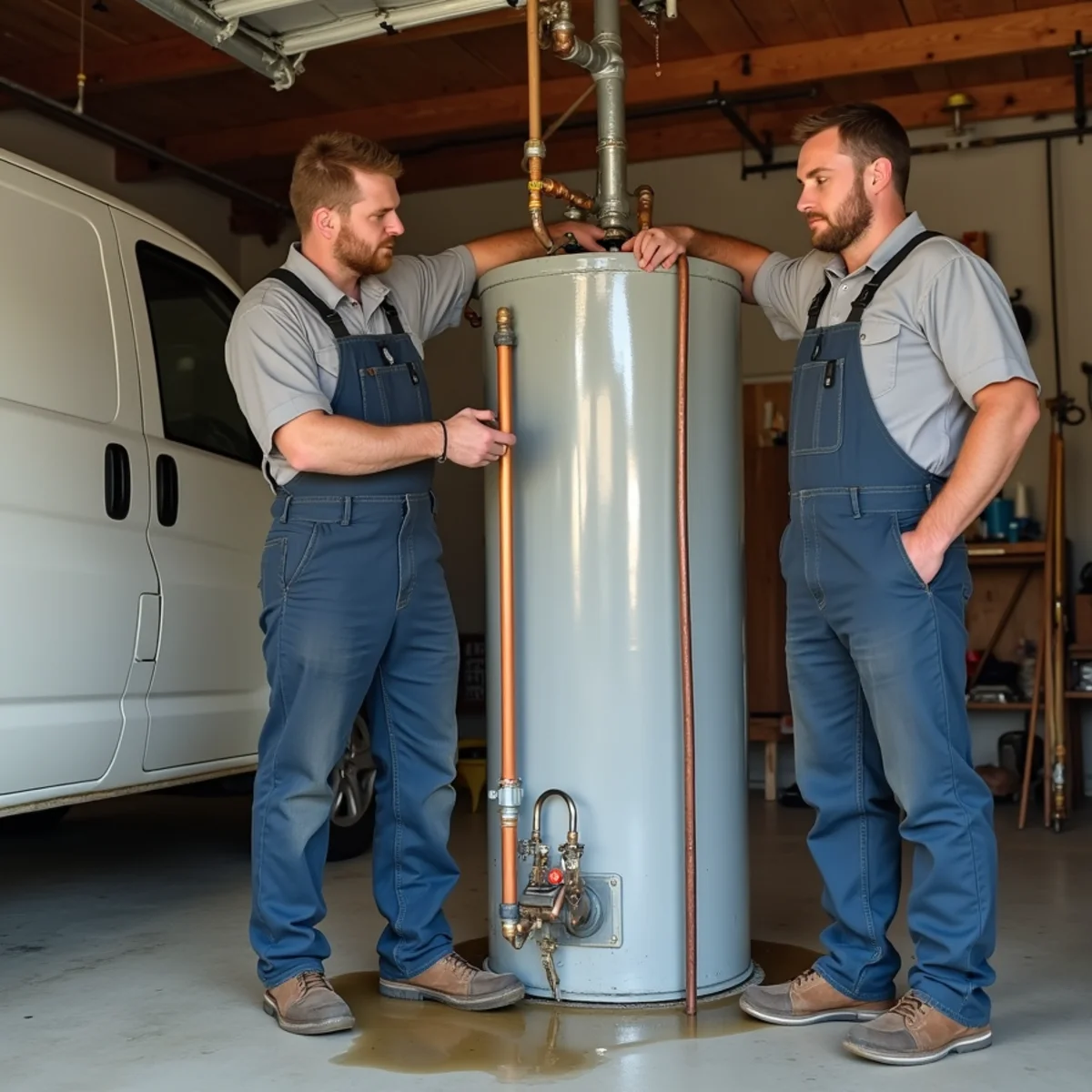
Our slab leak water damage service pairs acoustic and thermal detection with extraction and structural drying, so if a leak has already caused damage, we handle the full picture, not just the pipe.
We're on site within about 60 minutes across Lakewood Village and the surrounding tract neighborhoods, 24/7, and we work directly with insurance. Call +1 (201) 277-9344 — we'll help you understand what's actually going on underneath your floor.
Thousands of homes, the same pipe, the same clock
Lakewood was built fast and built alike. Roughly 17,500 homes went up in the early 1950s using the same construction and the same plumbing materials of the era. That uniformity is the hidden risk. When entire tracts share one age and one pipe metal, they also share one failure window, and slab leaks tend to show up across the neighborhood in the same span of years.
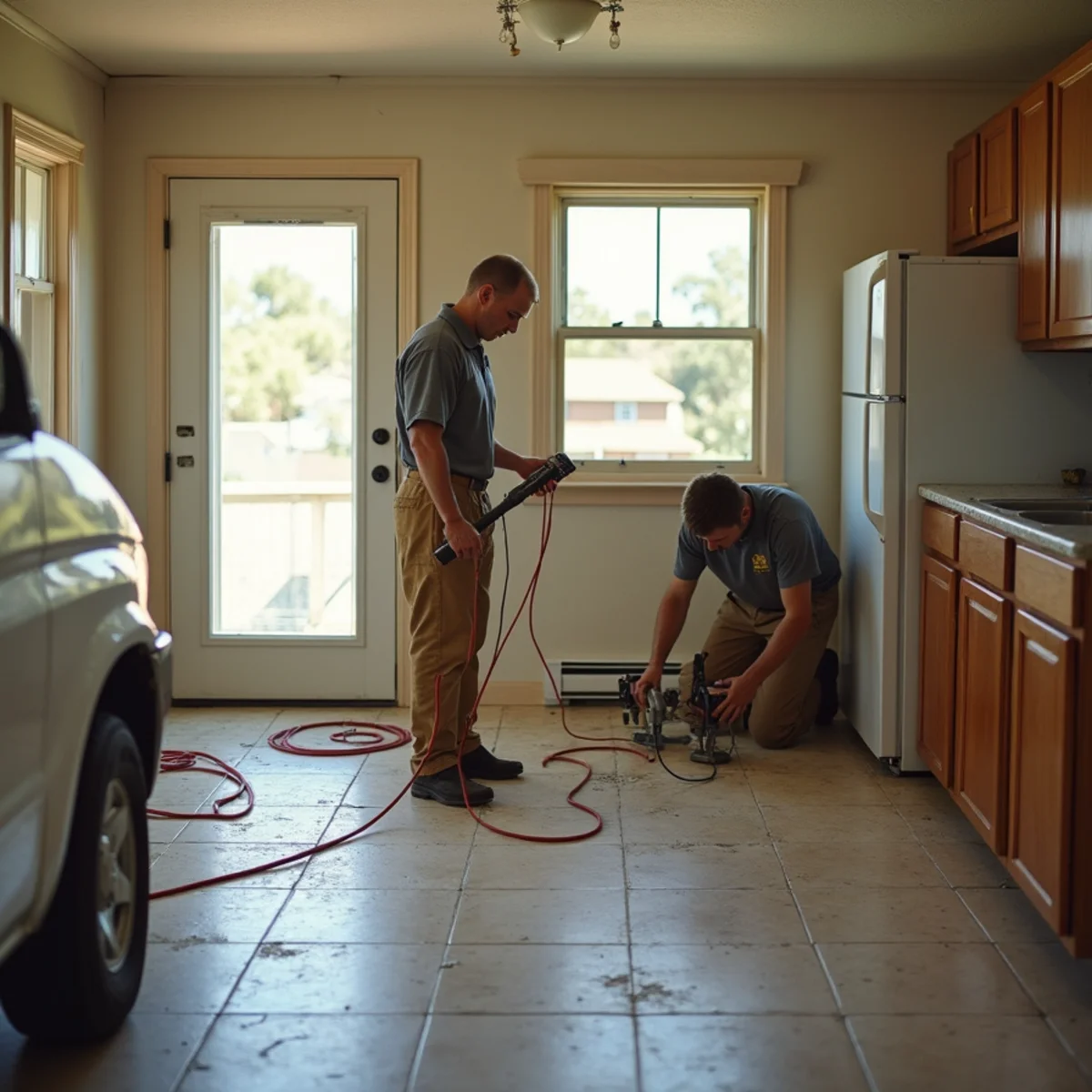
Proactive detection is the counter-move. Rather than wait for a warm spot on the floor or a spike in the water bill, an owner of an original home can have the supply lines pressure-tested and the slab scanned for moisture. Catching a pinhole before it undermines the slab turns an emergency into a scheduled repair, and it lets you plan a repipe on your terms instead of on the pipe's.
- Original tracts share age and pipe metal, so they fail together
- A warm spot on the floor can signal a hot-line slab leak
- Unexplained water-bill creep is often the first real clue
- Pressure testing finds pinholes before the slab is undermined
- Planning a repipe beats reacting to a flood at 2 a.m.
Related help from our team
Frequently Asked Questions
Why are Lakewood homes especially prone to slab leaks?
Most were built between 1950 and 1953 with galvanized steel pipe running through a concrete slab foundation. That pipe is now 70-plus years old and corrodes from the inside, while expansive adobe and clay soil underneath adds physical stress on top of it.
How old does galvanized pipe need to be before it's a real risk?
There's no single cutoff, but galvanized pipe installed in the early 1950s is well past typical service-life expectations. Corrosion happens from the inside, so a pipe can look fine externally while it's already thinning.
Should I get my home checked even without an active leak?
If your home is one of Lakewood's original tract houses with its original plumbing, a proactive leak detection check is a reasonable precaution given the age of the pipe and the soil conditions it's sitting in.