Wet drywall doesn't automatically mean demolition. Whether it can be dried and saved or needs to be cut out and replaced depends on what got it wet, how long it stayed wet, and how much it's already absorbed.
If a leak has soaked a wall in Imperial Estates, here's how we make that call — and what a homeowner can check before deciding whether to wait for a professional opinion.
The Water Category Matters Most
Clean water from a supply line — what's classified as Category 1 — gives drywall the best chance of being dried and saved, as long as it's caught early. Gray water from an appliance or Category 3 black water from sewage is a different situation.
Drywall that's been touched by contaminated water usually has to be removed regardless of how it tests for moisture, because it can't be fully disinfected once the paper facing has absorbed contamination.
How Long the Water Sat
Drywall that's been wet for under 24 to 48 hours, from clean water, often dries fine with the right equipment. Beyond that window, the paper backing starts to break down and mold can begin establishing itself inside the wall cavity where you can't see it.
That 24-to-48-hour window is also why we push to start drying fast rather than waiting to see if a wall "seems okay."
Signs Drywall Needs to Come Out
- Sagging, bubbling, or a soft, spongy feel when pressed
- Visible staining that keeps spreading after the leak is fixed
- A musty smell that doesn't clear once the surface looks dry
- Water damage from Category 2 or Category 3 sources
- Moisture readings that don't drop after several days of active drying
- Insulation behind the drywall that's also saturated
How We Decide: Dry In Place vs. Remove
- Confirm the water category — clean, gray, or contaminated
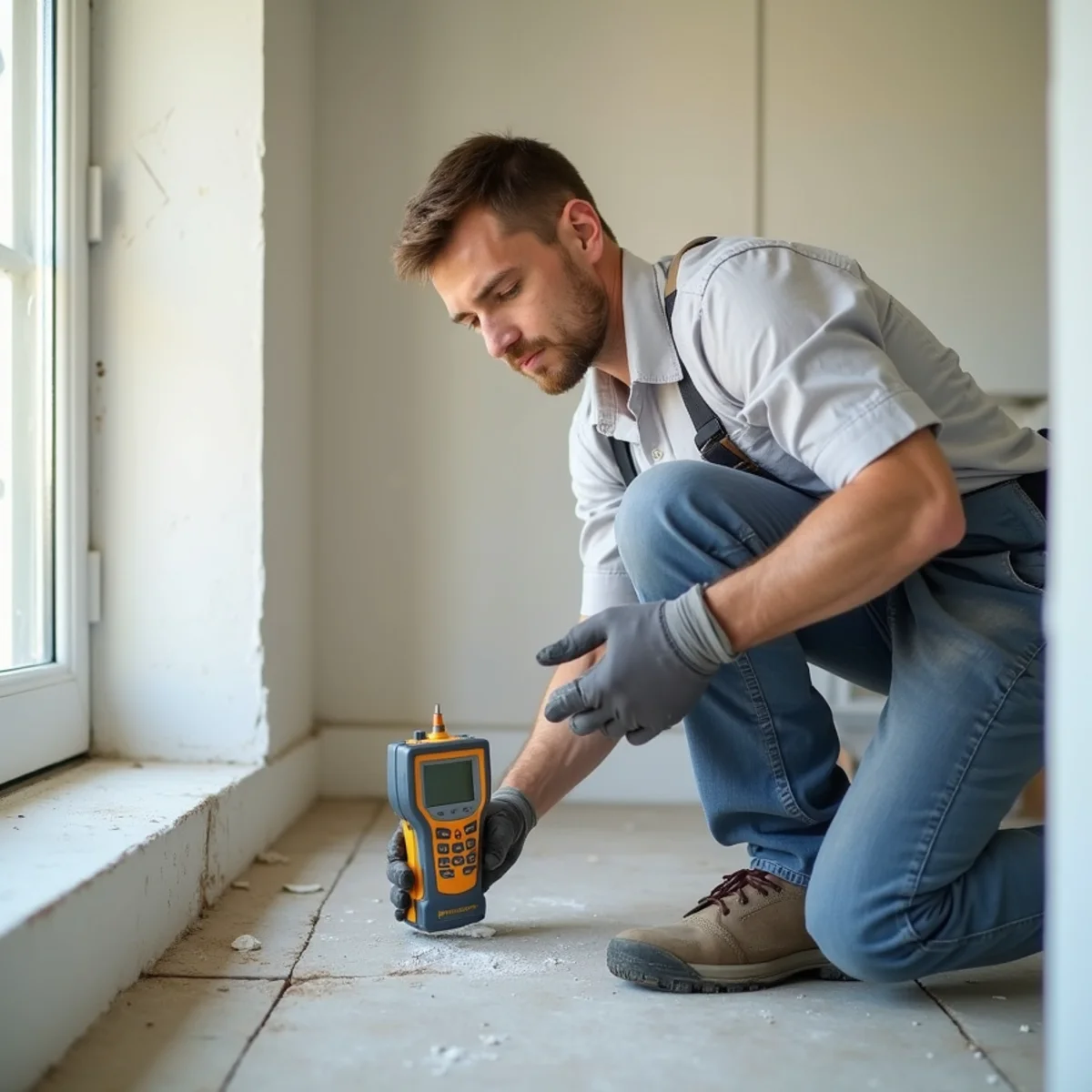
- Take moisture readings at the wall base, mid-height, and near the ceiling
- Check whether water reached insulation or wall framing behind the drywall
- Set up air movers and a dehumidifier and monitor daily moisture readings
- Remove any section that isn't trending drier after 24 to 48 hours of active drying
Drywall that stays wet at the bottom but tests dry a foot up is common. Often only the lower section needs to be cut out, called a flood cut, rather than the whole wall.
Why Guessing Costs More Than Testing
Painting over a water stain without checking moisture underneath is one of the more common mistakes we see. If the wall cavity is still wet, the stain comes back, and now there's mold growing behind a fresh coat of paint.
A moisture meter takes a few seconds and tells you what's actually happening inside the wall, instead of guessing from what the surface looks like.
When to Call
Our structural drying and dehumidification team pairs with water extraction to get moisture out of walls before that 24-to-48-hour window closes on you. We're on site within about 60 minutes across Imperial Estates.
Call +1 (201) 277-9344 if a wall in your home is wet — we'll test it before we recommend tearing anything out.
The "Flood Cut" Line and What Decides It
When drywall has to come out, we rarely take the whole wall. We make a flood cut: a clean horizontal line, usually twelve to sixteen inches above the wet mark, and remove everything below it. That opens the cavity so the framing can dry and gives a straight seam to patch to later.
What decides save-versus-replace is often what sits behind the drywall, not the drywall itself. If the insulation in that cavity is wet, it comes out. Fiberglass and cellulose hold water against the studs, dry slowly, and feed mold. Clean Category 1 water caught early can sometimes dry in place. Contaminated water, or wet insulation, usually means the flood cut and replacement.
Wet insulation almost never dries fast enough in place, so if the cavity behind the drywall is soaked, plan on a flood cut rather than fans alone.
Related help from our team
Frequently Asked Questions
How long can drywall stay wet before it needs to be replaced?
Clean water from a supply line often allows drywall to be dried and saved if drying starts within 24 to 48 hours. Beyond that, or with contaminated water, replacement is usually the safer and more cost-effective call.
Does all wet drywall have to be removed after a sewage backup?
Yes, generally. Drywall touched by Category 3 water can't be reliably disinfected once the paper facing absorbs contamination, so it typically needs to be cut out even if it tests dry afterward.
What is a flood cut?
It's when only the lower section of a wall — usually 12 to 24 inches — is removed instead of the entire sheet of drywall, because moisture testing shows the rest of the wall stayed dry.