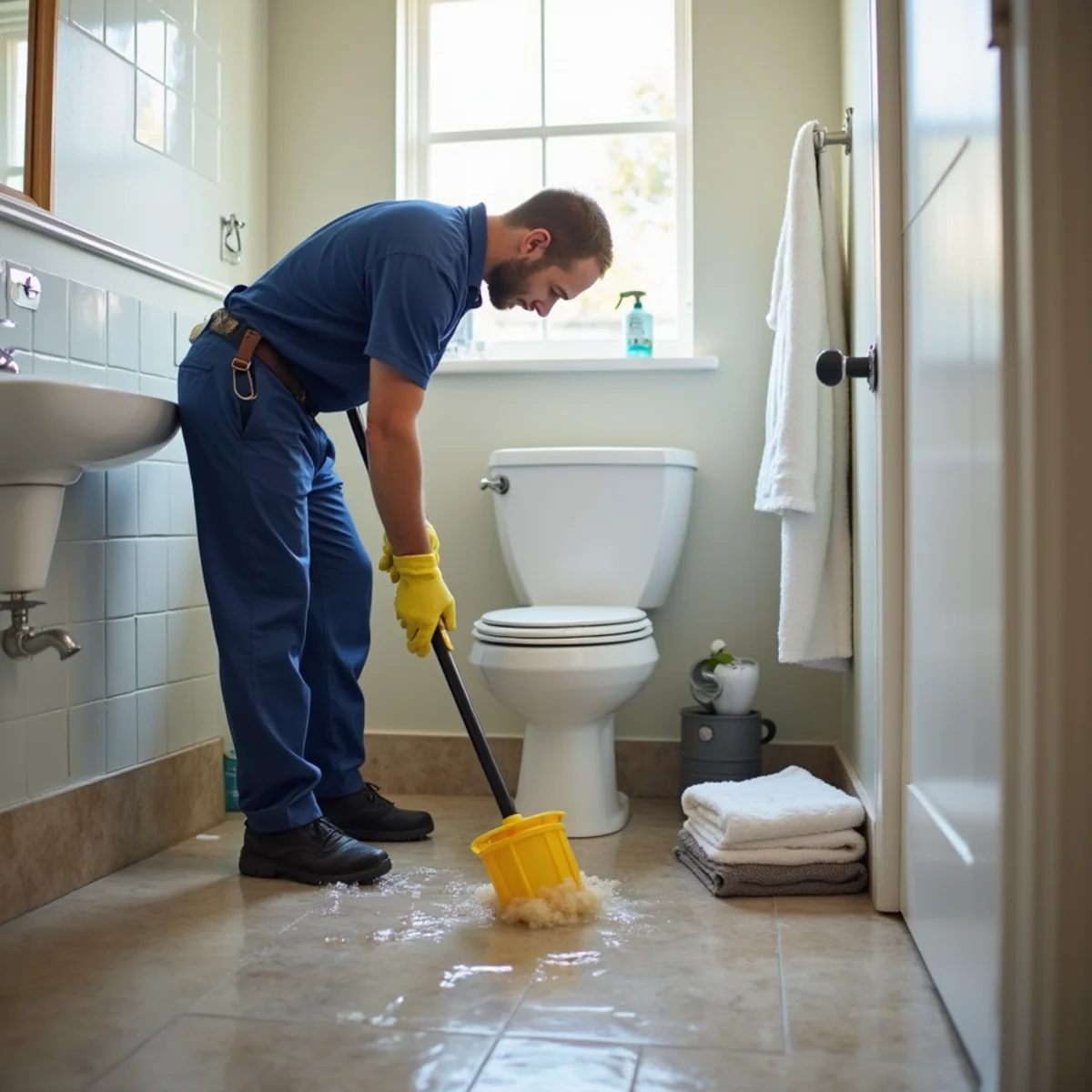
Most toilet overflows are ordinary — a clog backs the bowl up, water rises, and it stops once you shut off the supply. But some overflows are a symptom of something bigger: a blocked main sewer line pushing wastewater back up through the lowest drain in the house, which is usually the toilet.
Telling the two apart in the first minute matters, because one is a mop-and-plunger job and the other is a Category 3 water event — restoration language for water contaminated with sewage — that needs professional handling. Here's how to stop the overflow and figure out which one you're dealing with.
Stop the Water First
- Remove the tank lid and push the flapper down by hand to stop water from refilling the bowl.
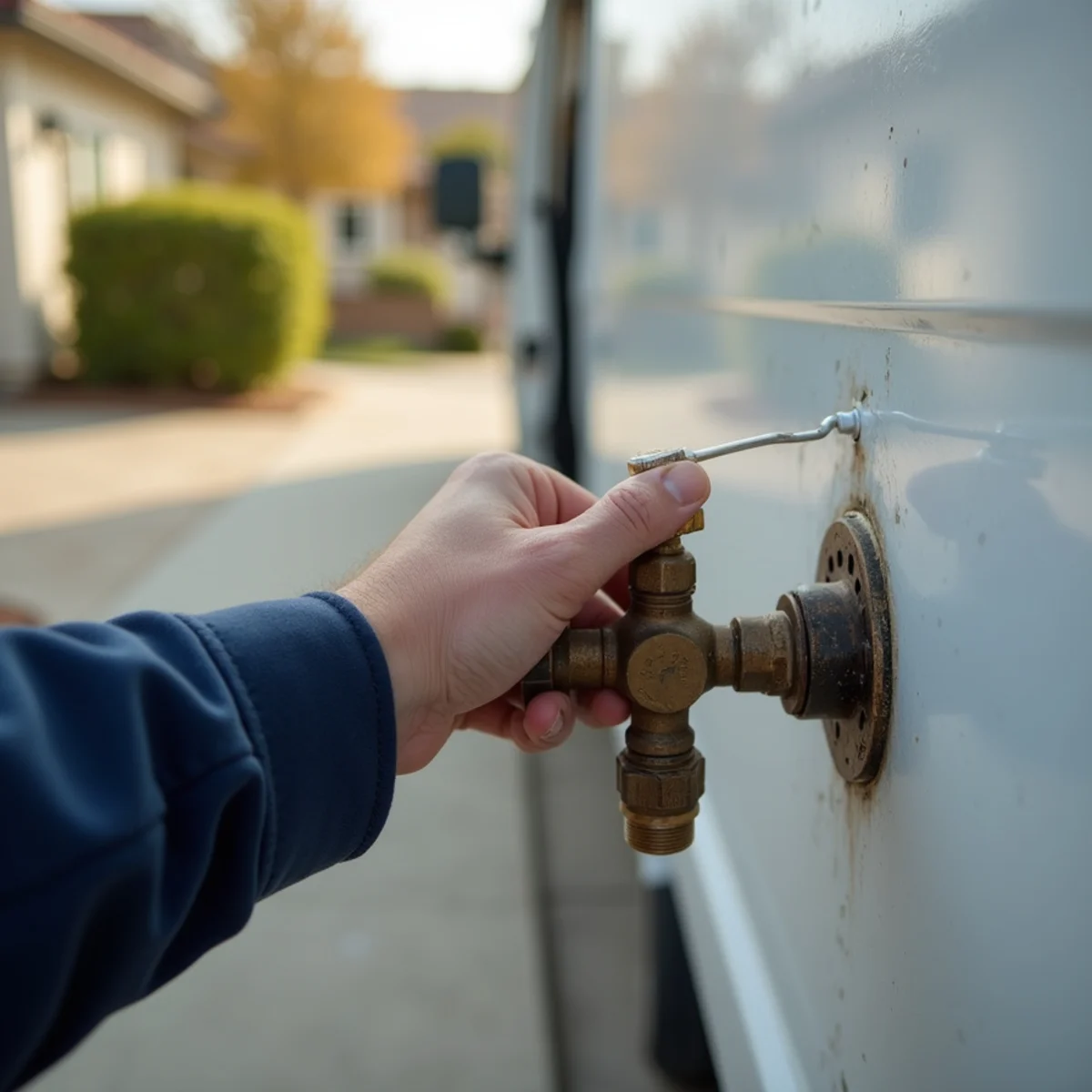
- If that doesn't work, turn the toilet's shutoff valve — usually on the wall behind the toilet, near the floor — clockwise until it stops.
- If you can't find or reach that valve, shut off your home's main water supply instead.
Check Whether It's Just This Toilet
Look at your tub, shower drain, and any floor drains nearby. If water or waste is backing up out of those too, or gurgling when the toilet was flushed, the blockage is likely in the main sewer line, not the toilet itself. That's a different problem — plunging the toilet won't fix a clog further down the system, and it can make the backup worse by pushing more water into an already full line.
A single clogged toilet is usually isolated. Multiple drains backing up at the same time almost always points to the main line.
Understand What's in the Water
Restoration crews classify water damage by contamination level. Category 1 is clean water from a supply line. Category 2, or "gray water," carries some contaminants, like water from a washing machine. Category 3, "black water," includes sewage and carries bacteria and pathogens that pose a real health risk. A toilet overflow from a clean supply issue is usually Category 1 or 2. A backup from the sewer line is Category 3, full stop.
If It's Sewage, Stay Out of the Water
- Keep kids and pets out of the room entirely
- Don't run other water in the house — sinks, showers, laundry — until the blockage clears, since it can push the backup further
- Skip the towels-and-mop approach; sewage-contaminated water needs to be extracted and the area disinfected, not just soaked up
- Avoid touching contaminated surfaces without gloves if you must be in the room
Why This Happens More in Older Neighborhoods
Homes around Weingart-Lakewood Center and other tract sections of Lakewood were built in the early 1950s on clay and adobe soil that expands and contracts with the seasons. That movement puts steady stress on aging sewer laterals, and root intrusion or a settled pipe joint can narrow the line enough to cause backups years before anyone suspects an underlying problem.
Call for Sewage Cleanup Before It Spreads
If more than one drain is backing up, or you can see or smell sewage in the water, stop trying to manage it yourself. Our sewage cleanup team handles extraction, disinfection, and drying with the right protective equipment, and we're available 24/7 across Weingart-Lakewood Center and the rest of Lakewood. Call +1 (201) 277-9344 and we'll walk you through what to do until we arrive.
Is it a clogged toilet or a backed-up main line?
A single toilet that overflows is usually a local clog, and the water is Category 1 or 2, unpleasant but manageable. The warning sign of something bigger is other fixtures reacting. If the tub gurgles when you flush, or the shower drain bubbles up when the washer runs, the blockage is downstream in the main line, and everything the house sends down is backing up toward the lowest drain.
That distinction is not cosmetic. A main-line backup brings up wastewater from the sewer, which is Category 3, or black water. It carries bacteria and needs to be handled with containment, disinfection, and removal of porous materials it touched. We treat a single overflowing bowl very differently from sewage surfacing across the bathroom floor.
- One overflowing toilet, other drains fine: likely a local clog
- Multiple fixtures gurgling: the main line is blocked
- Water rising in the tub or shower means it is coming back up
- Sewer backup is Category 3 black water, a health hazard
- Stop using all water in the house until the main line clears
Related help from our team
Frequently Asked Questions
How do I know if it's just a clog or a sewage backup?
Check nearby drains. If only the toilet is affected, it's likely a simple clog. If water or waste is backing up from the tub, shower, or floor drains too, the blockage is probably in the main sewer line, which is a bigger job.
Is toilet overflow water always contaminated?
Not always. Water from a supply line issue or a light clog is usually Category 1 or 2. A backup from the sewer line itself is Category 3, black water, and should be treated as contaminated every time.
Can I clean up a sewage overflow myself?
For a small, clean-water overflow, yes. For anything involving sewage, we'd recommend against it — Category 3 water carries bacteria and pathogens, and proper cleanup needs disinfection, not just mopping and drying.