
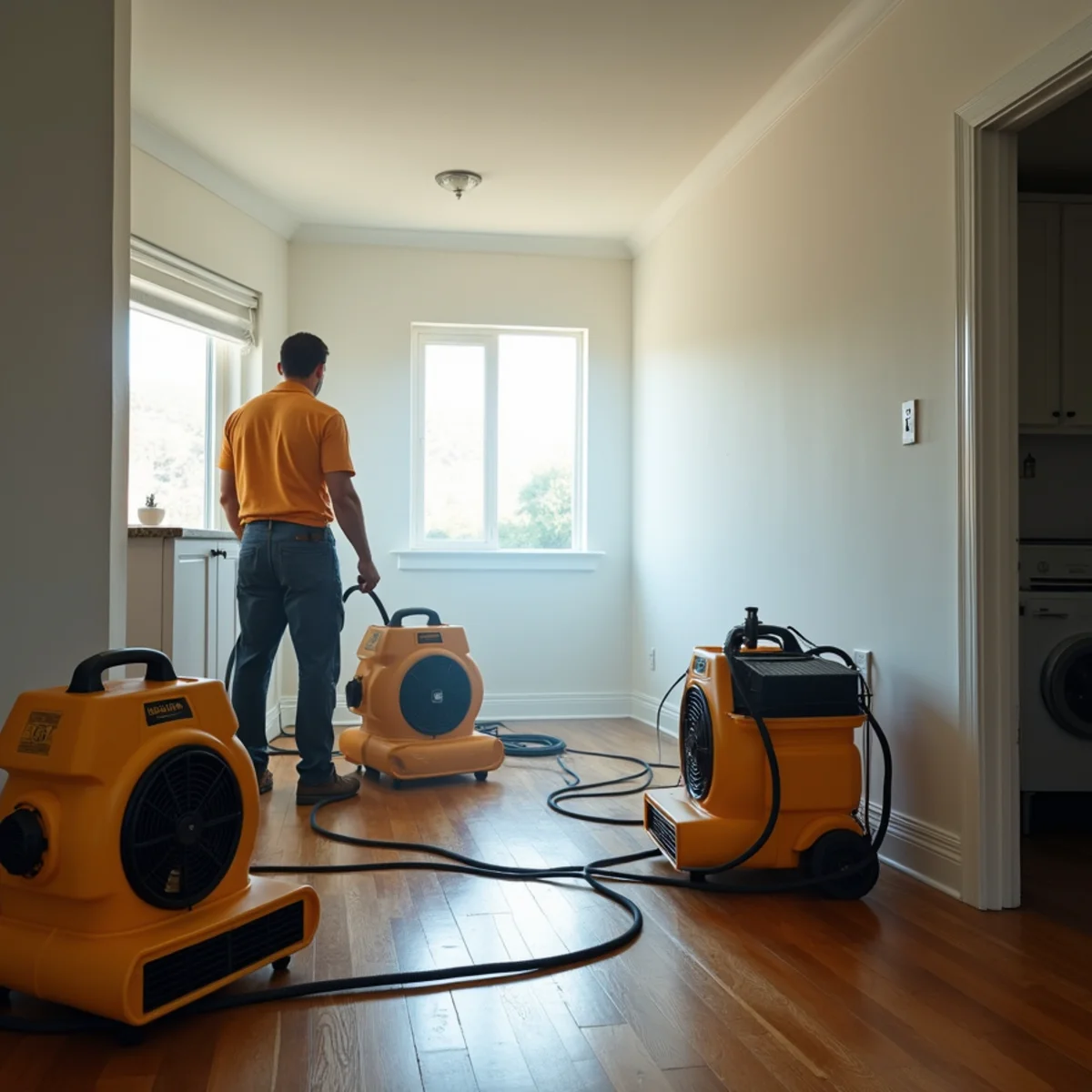
The water's gone, the carpet feels dry, and the drywall looks fine — but the musty smell hasn't. That smell is your best clue that something is still wet, and it's usually somewhere you can't see just by looking around the room.
For homeowners in Sunshine Homes dealing with this after a leak, here's what that smell typically means and where it tends to be hiding.
What Causes the Smell
That musty odor is produced by microbial growth — mold and mildew — releasing what are called microbial volatile organic compounds as they grow. You're smelling their metabolic byproducts, not the moisture itself.
If you can smell it, growth has usually already started. Mold can begin developing within 24 to 48 hours of a surface staying wet, so a lingering smell days after a leak is a real signal, not just an old-house quirk.
Where It's Usually Hiding
- Behind baseboards, where trim traps moisture against the wall
- Under carpet padding that looked dry on the surface but stayed wet underneath
- Inside wall cavities, especially near where a pipe or fixture leaked
- Under vinyl or laminate flooring, which seals moisture against the subfloor
- Inside cabinetry base or toe-kicks near a kitchen or bathroom leak
- In HVAC ducting if humid air was pulled through the system while it was wet
Why "It Looks Dry" Isn't the Same as "It Is Dry"
Surfaces dry from the outside in. Paint and drywall paper can feel and look completely normal while the material behind them is still holding moisture, especially in materials that dry slowly, like wood subfloor or dense insulation.
That's why we check with a moisture meter instead of relying on how a surface looks or feels — it's the only way to know what's happening below the surface.
A musty smell that gets stronger in humid weather or after you run the shower is a strong sign the moisture source is still active, not just a lingering odor from before.
What to Do If You Notice the Smell
- Note where the smell is strongest — that's usually close to the source
- Check baseboards and flooring near the original leak for softness or staining
- Avoid painting or covering the area until it's been checked for moisture
- Have the area tested with a moisture meter rather than guessing
- If mold is visible or the smell persists, treat it as a mold remediation issue, not just a cleaning one
How We Track Down a Hidden Source
Our structural drying and dehumidification team uses moisture meters and, when needed, thermal imaging to find where moisture is still trapped, rather than opening walls at random. Once we find it, we can dry it in place or bring in mold remediation if growth has already started.
Catching this early, before visible mold spreads, is almost always less disruptive and less costly than waiting.
When to Call
If a musty smell has lingered for more than a couple of days after a leak in your Sunshine Homes property, it's worth having it checked rather than masking it with air freshener.
We're on site within about 60 minutes, 24 hours a day. Call +1 (201) 277-9344 and we'll find where the moisture actually is.
A Musty Smell After Drying Means You Missed a Pocket
If the room feels dry but still smells musty, the drying was not finished. That odor is microbial. It comes from mold and bacteria still living on moisture trapped somewhere you cannot see. The surfaces dried. A cavity did not.
The smell is the clue, and we trace it back to the source instead of covering it. Moisture meters and thermal imaging find the cold, damp spots behind walls, under cabinets, and beneath flooring. In slab homes the pad and the wall base are common hiding places. Masking the odor with sprays or an ozone treatment without removing the wet material only delays the problem.
- Wall cavities where insulation stayed wet after the surface dried
- Under and behind cabinets, where airflow never reached
- Carpet pad and tack strip that held water against the slab
- Subfloor and framing below flooring that looked fine on top
- HVAC returns and ducts that spread the smell room to room
Related help from our team
Frequently Asked Questions
Why does my house still smell musty after the water dried?
A lingering musty smell almost always means moisture is still trapped somewhere out of sight — behind baseboards, under flooring, or inside a wall cavity — and that mold or mildew growth may already be underway.
Can a musty smell go away on its own?
Not usually, if the source is trapped moisture. The smell will typically persist or worsen until the moisture is found and dried, or the affected material is removed.
Does a musty smell always mean mold?
Not always, but it means active microbial growth of some kind, mold or mildew, and both need the same trapped moisture to keep going. It's worth treating the smell as a signal to check, not ignore.