Dark spots on a damp wall or in a shower corner get labeled "black mold" a lot, but most of the time they're actually mildew — a much less serious, surface-level growth. The two look similar at a glance, but they behave very differently.
For a homeowner in Cherry Cove trying to figure out what's growing in a damp bathroom or after a leak, here's how to actually tell the difference, and why it matters.
What Mildew Actually Is
Mildew is a surface-level fungus that grows flat, usually white, gray, or light yellow at first, sometimes darkening over time. It typically shows up in consistently damp areas — shower tile, window sills, bathroom ceilings — and stays on the surface rather than growing into the material underneath.
Mildew is generally manageable with regular cleaning and better ventilation, and it doesn't usually indicate a deeper moisture problem behind the surface.
What Black Mold Actually Is
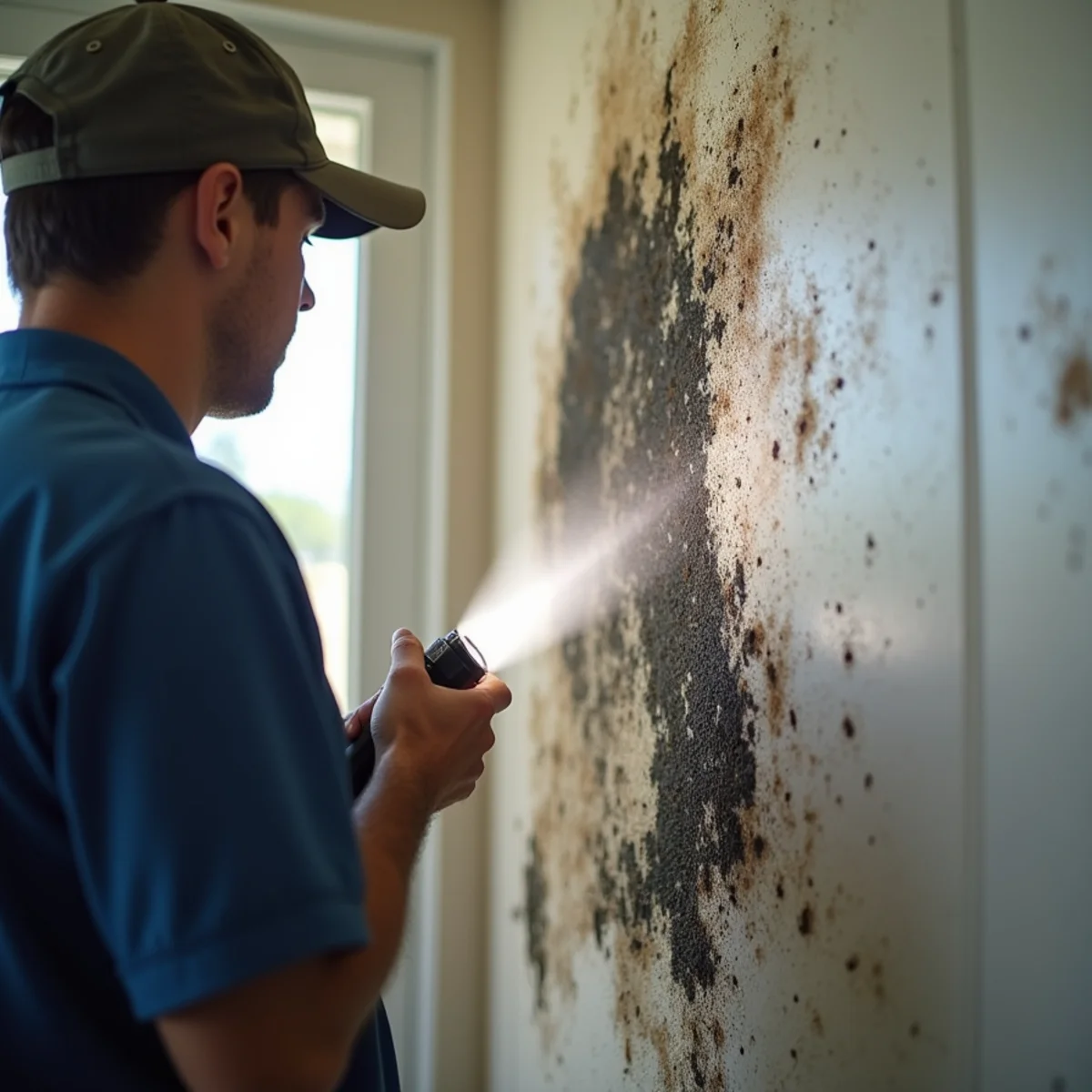
"Black mold" commonly refers to Stachybotrys chartarum, though other mold species can also appear black. Unlike mildew, mold grows into the material it's colonizing — drywall paper, wood, insulation — not just across the surface.
Black mold usually points to a more significant, ongoing moisture source, like a slow leak inside a wall, rather than everyday bathroom humidity.
How to Tell Them Apart
- Texture: mildew is typically flat and powdery; mold is often slimy, fuzzy, or raised
- Color: mildew tends to be white, gray, or light yellow; mold is usually darker — black, dark green, or deep brown
- Spread pattern: mildew stays on the surface; mold can penetrate the material it's growing on
- Location: mildew clusters in consistently humid spots; mold can appear anywhere there's been sustained moisture, including hidden areas
- Response to cleaning: mildew usually wipes away with a cleaner; mold tends to come back if the material underneath is still wet
If a spot keeps coming back after cleaning, or you can smell it before you can see it, treat it as mold until proven otherwise — not the reverse.
Why the Distinction Actually Matters
Mildew is a cleaning problem. Mold is a moisture problem with a cleaning problem attached to it. Treating mold like mildew — wiping the surface and moving on — leaves the actual source of moisture unaddressed and lets it keep growing out of sight.
That's the main reason a spot that keeps returning after cleaning deserves a closer look rather than another round of bleach.
When It's Worth Calling a Professional
- The growth covers more than about 10 square feet
- It keeps returning after cleaning
- It's connected to a known leak or past water damage
- You notice a musty smell without visible growth
- Anyone in the home has ongoing respiratory symptoms that improve when they're away from the house
When to Call
Our mold remediation team can assess whether what you're seeing is mildew or mold, find the moisture source behind it, and handle both the growth and the cause — not just the surface stain. We're on site within about 60 minutes across Cherry Cove.
Call +1 (201) 277-9344 if you're not sure what you're looking at. It's a quick assessment, and it saves you from guessing.
You Can't Tell What It Is by Looking
Color and texture are unreliable. Plenty of harmless molds are dark, and the mold people fear can look gray, green, or brown depending on the surface and its age. Mildew and mold blur together to the eye. Naming the species from across the room, or from a photo, is guesswork.
It also matters less than people think. The response is the same either way: find the moisture source, correct it, and remove the growth safely. Lab testing has its place for verification or a health question, but no color chart changes the plan. What you have is a moisture problem showing on the surface, and the moisture is what you fix.
Don't sort mold by color to decide how worried to be; the moisture source and how much material is affected drive the response far more than the label.
Related help from our team
Frequently Asked Questions
How can I tell if it's black mold or just mildew?
Mildew is typically flat, powdery, and light-colored, and stays on the surface. Mold is often darker, fuzzy or slimy, and grows into the material rather than just across it. A spot that keeps returning after cleaning is more likely mold.
Is mildew dangerous?
Mildew is generally less of a health concern than mold and is usually manageable with cleaning and ventilation, though it's still worth addressing since it signals ongoing moisture.
Do I need a professional to remove black mold?
For small areas, some homeowners handle it themselves, but if the growth is widespread, connected to a past leak, or keeps coming back, professional mold remediation addresses both the growth and the moisture source causing it.