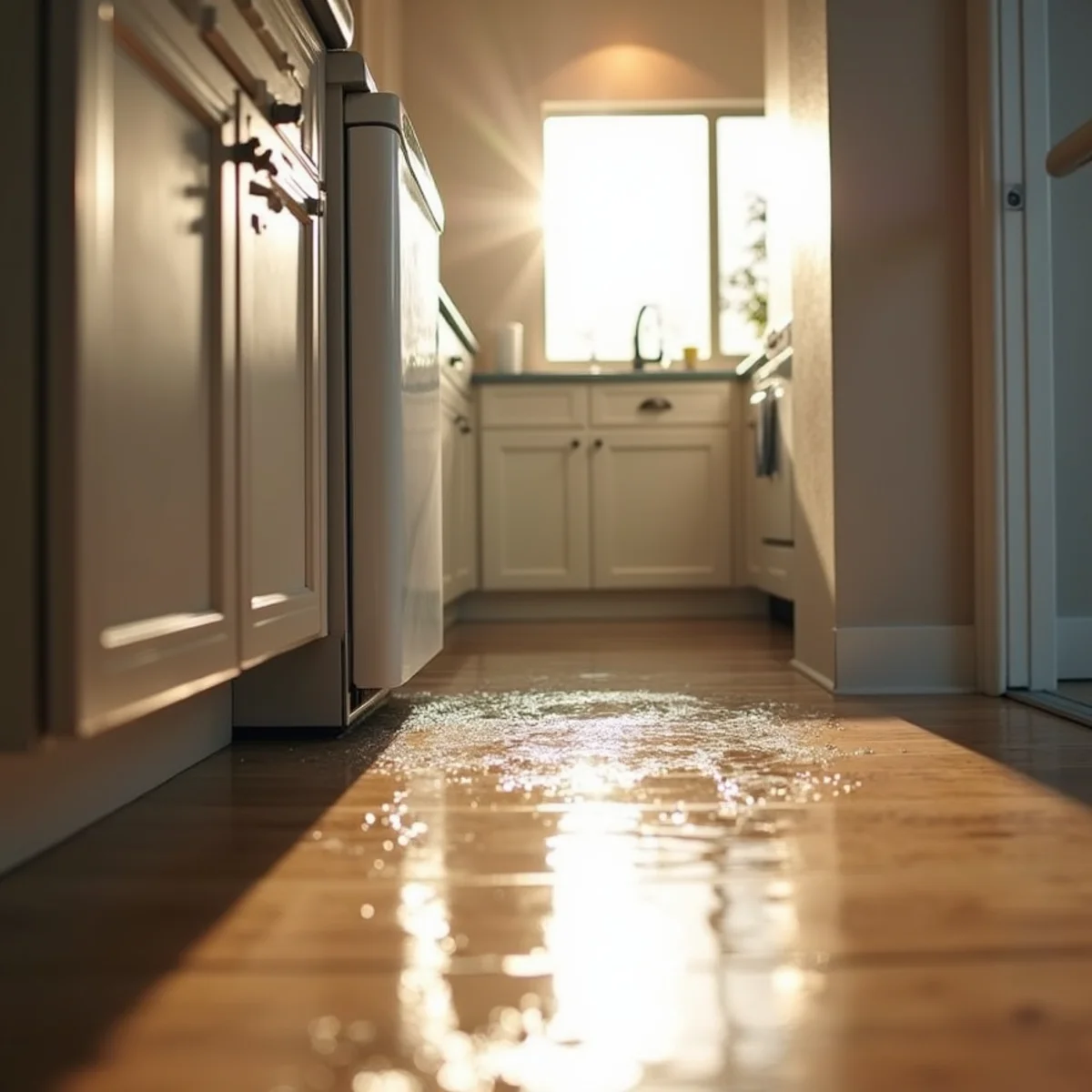
A burst pipe turns a quiet afternoon into an emergency in minutes. A half-inch supply line can release several gallons a minute, and every minute it runs adds to the cost of drying out floors, walls, and cabinets. The good news: what you do in the first hour matters more than anything that happens after.
This plan works whether the break is a flexible supply line under a bathroom sink or a copper pipe inside a wall in Lakewood Village. The goal is simple — stop the flow, protect what you can reach, and get a water damage crew moving toward your address before the water spreads further.
Shut Off the Water Immediately
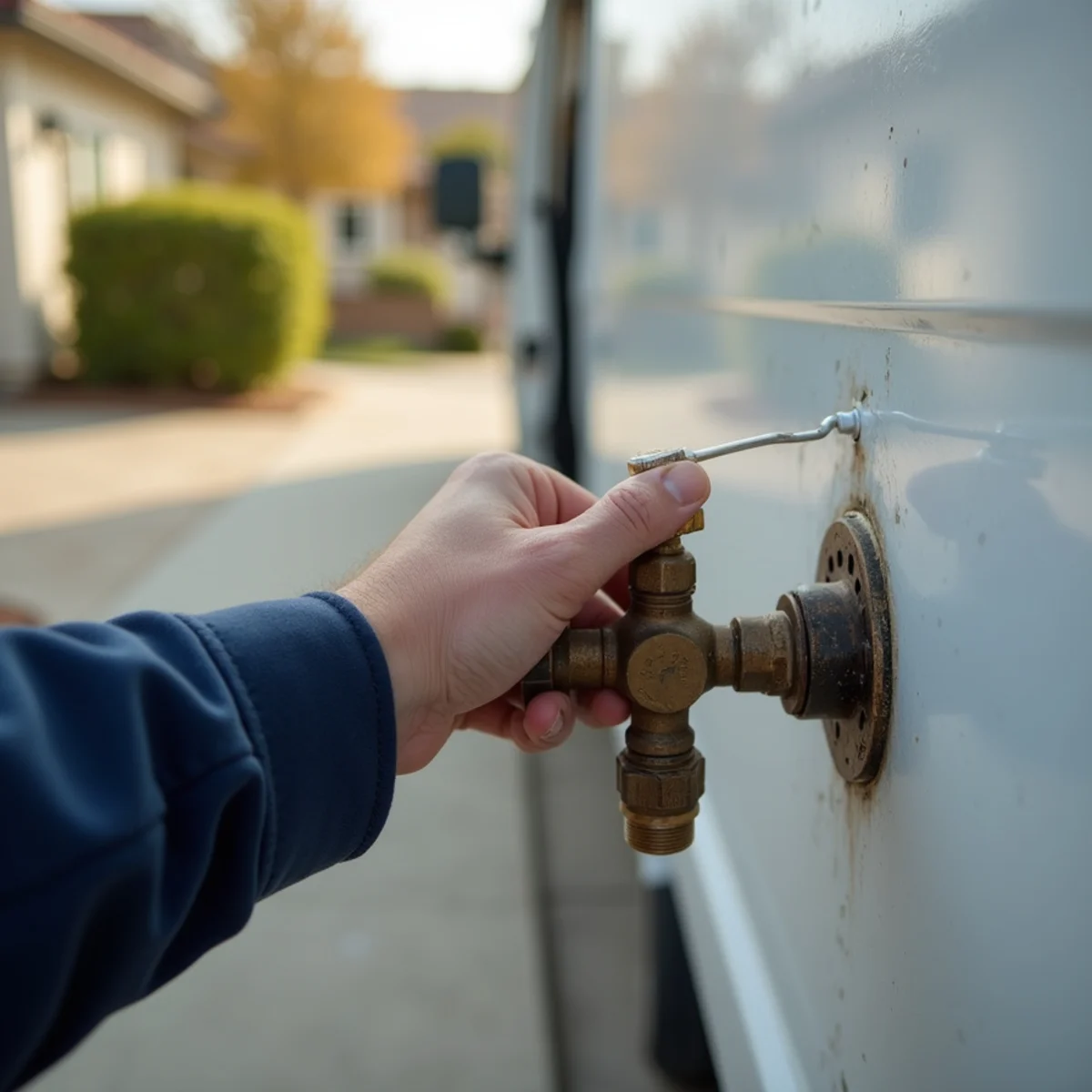
Every second counts once you spot a burst pipe. Locate your home's main shutoff valve — usually near the water meter, in the garage, or along an exterior wall facing the street — and turn it clockwise until it stops.
If the break is isolated to one fixture, like a toilet or washing machine, the local shutoff valve behind that fixture may be faster to reach. When in doubt, go for the main. Finding and testing your main valve is worth doing before an emergency, not during one.
Test your main shutoff valve twice a year. A valve that's been closed for a decade can seize up exactly when you need it most.
Cut Power Near Standing Water
Water and electricity don't mix. If the leak is near outlets, a water heater, or any plugged-in appliance, shut off power to that circuit at the breaker panel before you wade in. Don't stand in water to reach a breaker panel — if you can't get to it safely, wait for a professional.
Contain What You Can, Fast
- Move furniture, rugs, and boxes off the floor and out of the affected room
- Use towels or a wet-dry shop vac to slow water from spreading into hallways
- Prop up wet furniture legs on foil or wood blocks to stop finish transfer and rust rings
- Open cabinet doors under sinks so trapped water doesn't sit against wood
Photograph the Damage Before You Touch Anything Else
Once the water is shut off and the immediate hazards are handled, take photos and a short video of the affected area — the source of the break, the standing water, and anything it touched. These records matter later if you file an insurance claim, and they're much harder to recreate after the cleanup starts.
Why Lakewood Pipes Fail More Than You'd Expect
Most of Lakewood's roughly 17,500 tract homes went up between 1950 and 1953, and many still run on their original galvanized steel supply lines. Galvanized pipe has a rated service life of 40 to 50 years; at 70-plus years old, the pipes in these homes are well past that mark. Corrosion builds up inside the pipe until a pinhole leak or a full break happens without warning.
Call Before You Start Tearing Anything Out
Once the water's off and the area is photographed, the fastest way to limit long-term damage is professional extraction. Standing water that sits for even a day can soak into drywall, subfloor, and insulation, and it starts a clock on mold growth. Our burst pipe cleanup and emergency water removal teams work throughout Lakewood Village and the surrounding area and can typically be on-site within about 60 minutes. Call Water Damage Lakewood at +1 (201) 277-9344 — we're available 24/7.
Shut off, then drain the pressure out of the line
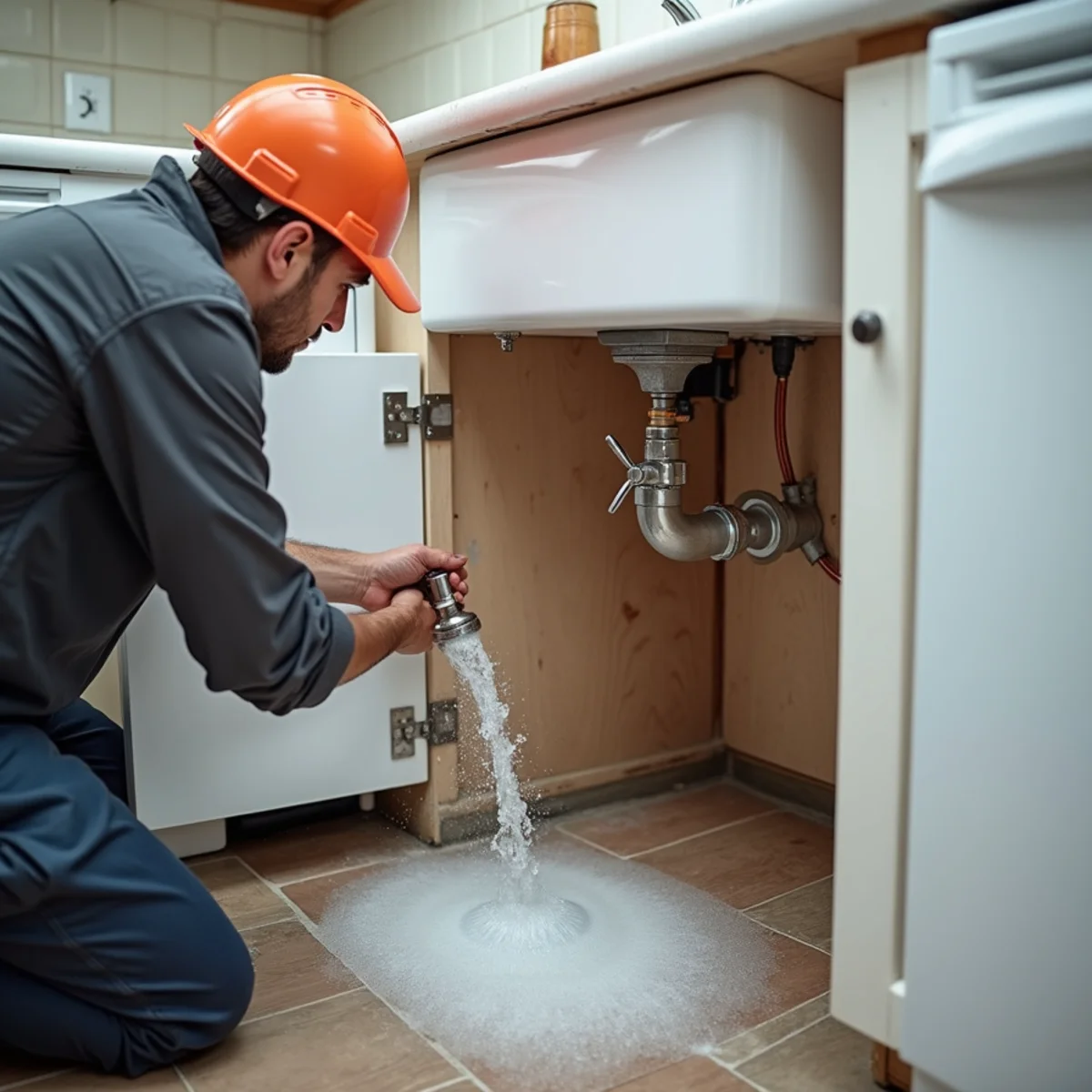
Closing the main valve stops the supply, but the pipes are still full and still under some pressure. That trapped water keeps pushing out of the break. The fix is to drain the system. After you shut the main, open the lowest faucet in the house, often an outdoor hose bib or a downstairs tub, and let the standing water fall out of the pipes instead of onto your floor.
In Lakewood this matters because so many original homes still run 70-year-old galvanized supply lines. Galvanized corrodes from the inside, so when one section finally bursts, the rest of the run is the same age and the same thinned-out wall. We often see a second failure within months of the first. Draining fast limits this leak, but a whole-house look is worth it after the cleanup.
After you close the main, open the lowest faucet in the house to let gravity drain the pipes away from the break.
Related help from our team
Frequently Asked Questions
How much water does a burst pipe actually release?
A typical half-inch supply line under normal household pressure can release around 5 to 10 gallons a minute. Left running for even 20 minutes, that's enough to flood a room and soak through a subfloor.
How long before a burst pipe causes mold?
Mold can begin growing in wet materials within 24 to 48 hours. That's why extraction and drying need to start the same day water hits the floor, not once it's convenient.
Will my homeowners insurance cover a burst pipe?
Most policies cover sudden, accidental water damage like a burst pipe, but coverage details vary and gradual leaks are often excluded. Check your specific policy and talk with your adjuster before assuming what's covered.