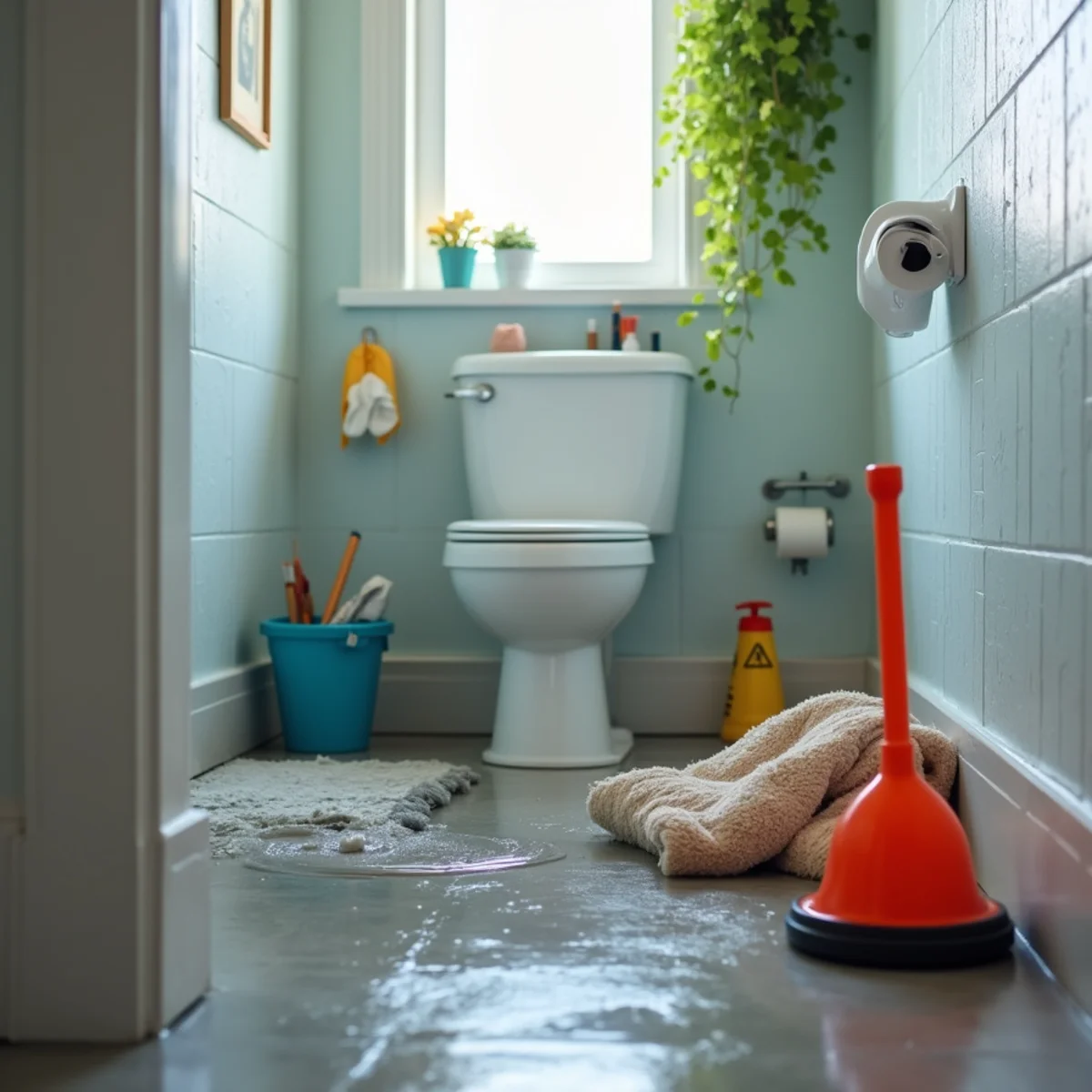
A sewage backup isn't like a typical water leak. It carries bacteria, viruses, and waste — what restoration professionals classify as Category 3 water, or black water. That classification changes how the cleanup has to be done, and it changes the cost.
If sewage has backed up into your home in Paramount, you're probably asking two questions at once: what this is going to cost, and whether your insurance will cover it. Here's how both actually work, based on the factors that drive real jobs rather than a flat number.
What Actually Drives the Cost
Nationally, 2026 water damage restoration jobs typically run $1,384 to $6,384. Sewage backups tend to land on the higher end of that range, because Category 3 contamination requires extra steps that a clean-water leak doesn't.
The final number depends on how much of your home is affected and what materials were in the path of the water.
- Square footage affected and how far the water traveled
- Whether water reached wall cavities, subfloor, or the HVAC system
- Which materials were involved — porous materials like carpet and drywall usually can't be saved
- How long the water sat before cleanup started
- Disposal fees for contaminated materials
Why Black Water Costs More to Clean Up Than a Regular Leak
With a clean-water leak, a lot of materials can be dried in place and reused. Category 3 water is different — anything porous that touched sewage, including carpet, carpet padding, and often the bottom foot of drywall, typically has to come out.
That means more demolition, more disposal, and more labor than a comparable clean-water job. Technicians also need full personal protective equipment, and surfaces that stay need to be cleaned and disinfected before drying even starts.
Will Your Homeowner's Policy Pay?
Most standard homeowner's policies exclude damage from a "backup of sewer or drain" unless you've added a specific endorsement, often called sewer backup or water backup coverage. Without it, a backed-up line is usually your out-of-pocket cost.
Check your policy's declarations page for that endorsement. When it's there, it's often written with its own coverage limit, separate from the rest of your dwelling coverage — so it can cap out before a large loss is fully covered.
A burst supply pipe inside your home is a different story and is more commonly covered under standard water damage coverage. The distinction is why it matters to get the cause of the backup documented accurately.
Before You Call Your Insurer
- If it's safe, shut off water to the affected fixture or the main
- Keep people and pets away from the contaminated area
- Photograph the damage before anything is moved or cleaned up
- Call a restoration company for emergency mitigation — starting the clock on cleanup matters for both health and your claim
- Save every receipt and document related to the loss
Don't wait on your insurer's approval before starting mitigation. Most policies require you to prevent further damage, and standing sewage keeps contaminating more of your home the longer it sits.
What Sewage Cleanup Actually Involves
Our sewage cleanup process starts with extracting the contaminated water, then removing anything porous that can't be safely disinfected. Remaining surfaces get cleaned and treated with an antimicrobial before structural drying begins.
We document every step with photos and moisture readings, which becomes the record your insurance adjuster will want to see.
When to Call
We're on site within about 60 minutes across Paramount and the wider Gateway Cities, 24 hours a day. We work directly with insurance companies and can help you understand what your policy actually covers before cleanup starts.
Call +1 (201) 277-9344 for sewage backup cleanup — the sooner contaminated water is out of your home, the less it costs to fix.
Sewer backup is usually its own endorsement
Here is the coverage surprise that stings the most: a standard homeowners policy often does not cover sewer or drain backup at all. It is typically sold as a separate rider, a water-backup or sump-overflow endorsement you have to add on purpose. Homeowners find this out at the worst time, after the basement or bathroom has already flooded.
The cost side is driven by the category of water. Sewage is Category 3, so cleanup is not just extraction and drying. It includes disposal of contaminated porous materials, carpet, pad, saturated drywall, and thorough disinfection. Those disposal and containment steps are why a sewage job runs higher than a comparable clean-water loss of the same size.
- Check for a water-backup endorsement, not just the base policy
- Standard coverage often excludes sewer and drain backup
- Category 3 water means porous materials get removed, not dried
- Disposal and disinfection add cost a clean-water job avoids
- Photograph everything before removal for the claim
Related help from our team
Frequently Asked Questions
Does homeowners insurance cover sewage backup?
Only if you've added a sewer backup or water backup endorsement to your policy. Without it, most standard policies exclude backups from sewer or drain lines, though a burst supply pipe inside the home is typically covered separately.
How much does sewage cleanup typically cost?
It depends on the area affected and how far the water traveled, but restoration jobs nationally run roughly $1,384 to $6,384 in 2026, with sewage cleanup often landing toward the higher end due to Category 3 contamination.
Can I clean up a small sewage backup myself?
We don't recommend it. Category 3 water carries bacteria and pathogens that pose a real health risk, and it's easy to miss contamination that's soaked into subfloor or wall cavities without moisture-detection equipment.