Most of the major water damage jobs we respond to didn't start as major. They started as a small leak — a slow drip under a sink, a hairline crack in a supply line, a water heater connection that was seeping just enough to go unnoticed — that ran unchecked for weeks or months before someone found it.
A ten-minute monthly walkthrough catches the majority of these early, while they're still a five-minute fix instead of a five-figure restoration. It doesn't require tools, expertise, or cutting into any walls. It just requires doing it consistently.
This is the same routine we'd recommend to our own family. Pick a day each month — the first Saturday, the day your utility bill arrives, whatever sticks — and run through it.
Kitchen (2 minutes)
- Open the cabinet under the sink and feel around the base of the supply lines and drain trap for dampness
- Check the shutoff valves under the sink — make sure they're not corroded or weeping around the stem
- If you have a dishwasher, pull it out slightly (or check the front kick panel) for any water staining on the floor
- Check the refrigerator's water line connection if you have an ice maker or water dispenser
Bathrooms (2 minutes each)
- Check under every sink the same way as the kitchen — feel for dampness at supply lines and the drain trap
- Look at the base of the toilet for any staining or looseness where it meets the floor
- Check the caulking around the tub or shower for gaps or peeling, which lets water get behind tile and into the wall
- Run a hand along the bottom edge of the shower curtain or door area to check for water escaping onto the floor
Laundry and utility areas (2 minutes)
- Inspect washing machine hoses for bulging, cracking, or brittleness — this is one of the most common sources of sudden, high-volume leaks
- Check behind and under the washing machine for any staining or dampness on the floor
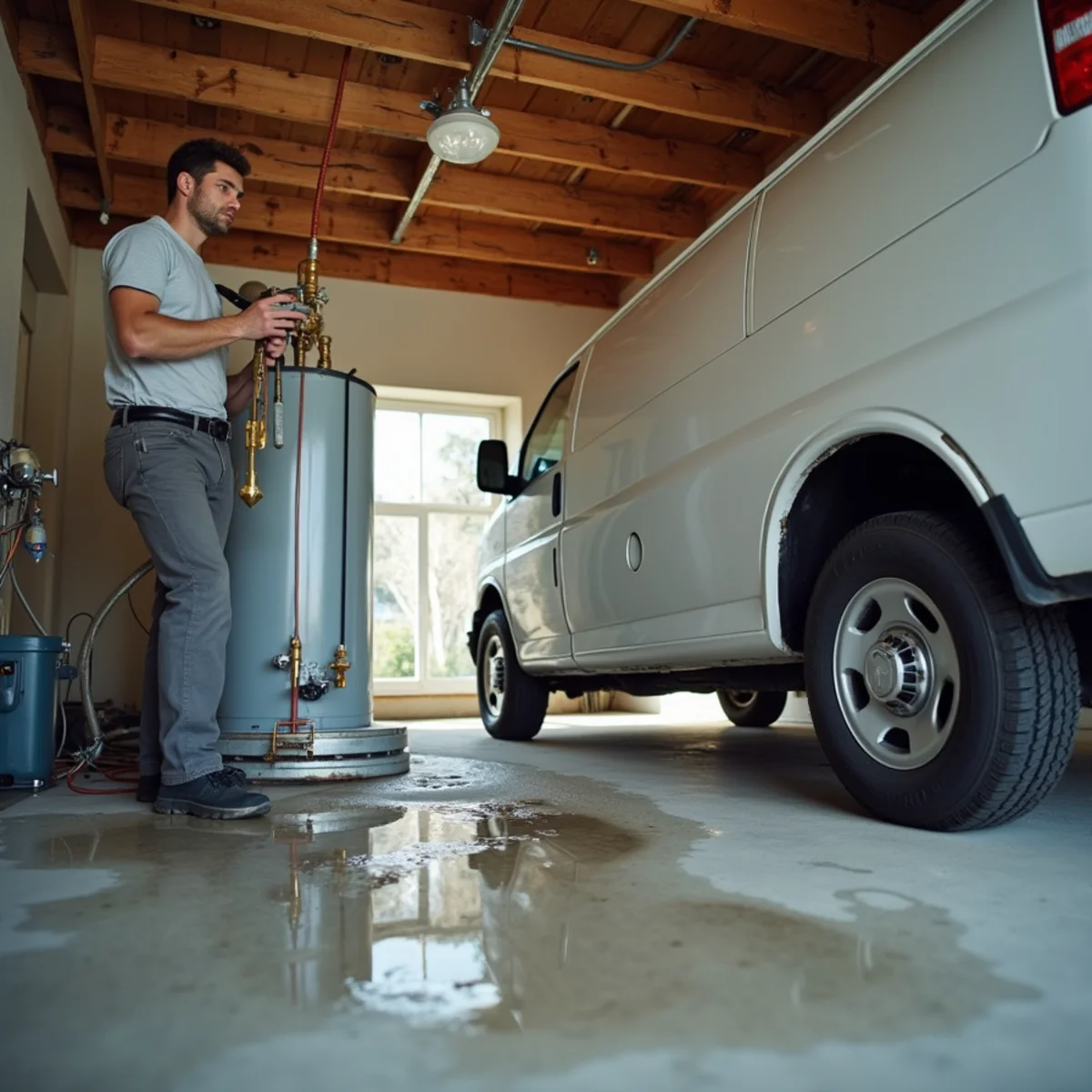
- Look at your water heater's base and connections for any moisture, rust streaks, or mineral buildup
- If you have a water softener or filtration system, check its connections and drain line the same way
Washing machine supply hoses are one of the single most common causes of major residential water loss. If yours are more than a few years old or made of plain rubber rather than braided stainless steel, replacing them is cheap insurance.
Whole-house checks (3 minutes)
- Locate your water meter and note the reading
- Make sure no water is being used anywhere in the house — no fixtures running, no dishwasher or washing machine cycling
- Wait a few minutes without using any water, then check the meter again
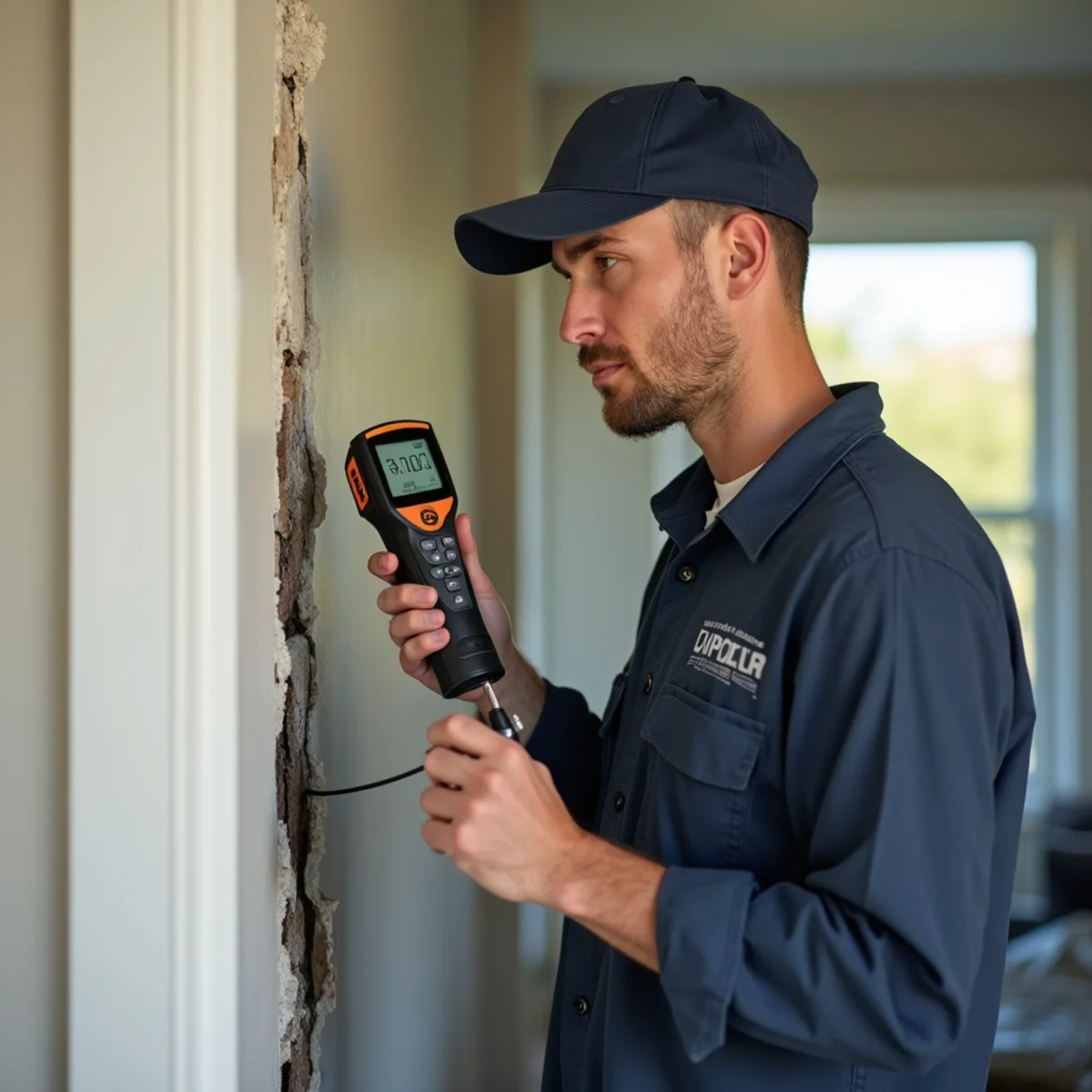
- If the reading has moved, or if your meter has a leak indicator dial that's spinning, you likely have a hidden leak somewhere in the system
- If confirmed, work through the house checking obvious spots first (irrigation, water heater, under sinks) before assuming it's something more serious like a slab leak
What to do if you find something
A small amount of dampness that you can wipe dry and trace to an obvious loose fitting is often a simple tightening fix, or a job for a plumber if it's beyond a wrench and some plumber's tape.
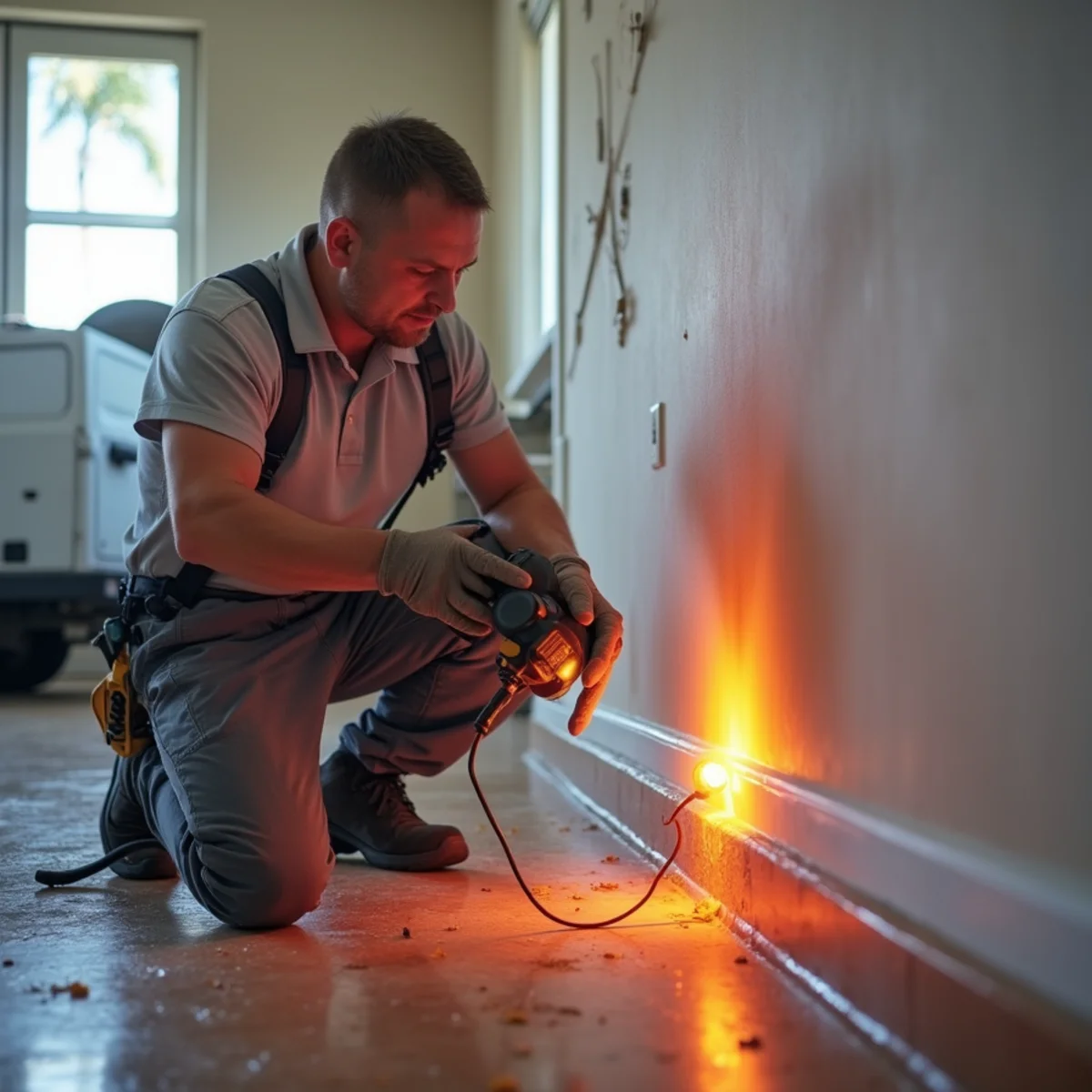
A leak you can't easily locate or reach — especially one confirmed by the meter test but not visible anywhere in the house — is worth a professional leak detection call before it's left to keep running. Hidden leaks under a slab or inside a wall don't get better on their own, and every day they run adds to both the water bill and the eventual drying job.
If you ever find standing water or a soaked area larger than a small spot, don't wait for your next monthly check to deal with it. Mold can begin developing in wet material within 24 to 48 hours, so anything beyond a minor, immediately-fixed drip is worth addressing the same day.
Call for Leak Detection in Lakewood Estates
If your monthly check turns up a moving meter and no obvious source, don't wait for it to surface on its own. Our leak detection team serves Lakewood Estates and the rest of Lakewood 24/7, typically on-site within about 60 minutes to pinpoint the source before it does more damage. Call Water Damage Lakewood at +1 (201) 277-9344.
Related help from our team
Frequently Asked Questions
Is once a month really often enough to catch leaks early?
For most slow, developing leaks, yes — a monthly check catches the vast majority of issues while they're still minor. Fast, sudden failures like a burst supply line or a water heater tank rupture can happen between checks regardless of schedule, which is why knowing your main shut-off location matters just as much as the inspection routine itself.
What if I don't have an outdoor water meter or can't find it?
Many homes have the water meter in a small in-ground box near the curb or property line, sometimes marked with a lid labeled "water." If you can't locate or access it, you can skip that specific step and rely on the visual checks — they'll still catch most common leak sources like supply lines, drain traps, and appliance connections.
Should I add anything to this checklist for an older home like the ones in Lakewood's original tract?
Yes — homes in Lakewood's original 1950-1953 tract, including areas like Lakewood Estates, often still have original or aging galvanized supply pipe, which is more prone to age-related failure than newer copper or PEX. It's worth adding a visual check of any exposed pipe in the garage or utility area for rust staining or pitting, and being a bit more attentive to the water meter test given the higher baseline risk of a slab leak in homes from that era.